원하는 크기와 액자로 주문 제작되는, 작가들이 직접 캔버스에 손으로 그린 유화 작품입니다. ( 프린트 판매로 전환 디지털 이미지로 전환)





























작품의 원본 비율을 유지하는 미리 설정된 크기 중에서 선택하세요.

특정 프레임이나 공간에 맞도록 직접 크기를 입력할 수 있습니다. 선택하신 크기가 원본 이미지의 비율과 일치하지 않는 경우, 작품을 자르거나 추가적인 손으로 그린 요소를 사용하여 그림을 확장합니다. 제작 시작 전 승인을 위해 디지털 목업을 보내드립니다.
화면 미리 보기는 실제 자르기 또는 확장을 반영하지 않습니다. 최종 구성은 목업을 통해서만 정확하게 확인하실 수 있습니다.
맞춤 크기 제작도 가능하지만, 원본 비율을 유지하기 위해 사전 정의된 목록에서 크기를 선택하시는 것을 권장합니다.

Arab, 1962
복제본 크기
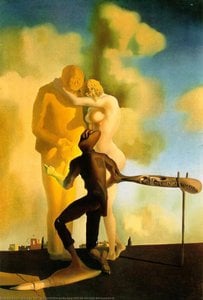
“Arab,” painted in 1962, is a compelling example of Salvador Dalí's enduring fascination with the subconscious and his mastery of surrealist techniques. This work isn’t merely a visual experience; it’s an invitation to delve into a world of psychological tension and symbolic resonance.
The artwork immediately draws the eye to its central figure – a dramatically elongated, almost skeletal form rendered in a dense, dark material. This figure appears to *emerge* from, or perhaps be consumed by, turbulent clouds. The composition is dominated by this singular presence, creating a sense of claustrophobia and isolation. The background isn’t merely supportive; it actively contributes to the feeling of unease with its layered tones of grey, beige, and brown, suggesting depth but also instability.
“Arab” exemplifies Dalí's signature surrealist style, blending meticulous realism with dreamlike distortion. While rooted in the principles of Surrealism – exploring the realm of dreams and the irrational – it also carries echoes of Expressionism through its emotional intensity and distorted forms. The technique is particularly striking. It appears Dalí didn’t rely on traditional brushwork but instead layered materials, possibly manipulating photographic processes to achieve the unique texture that defines the piece. The tactile quality of the dark figure—resembling plastic or tar—is profoundly unsettling.
By 1962, Dalí was a globally recognized artist who had already left an indelible mark on the art world. Having moved through Cubism and fully embraced Surrealism in the 1920s, his work continued to evolve, incorporating elements of religious iconography and scientific theory – what he termed “nuclear mysticism.” The post-war era saw Dalí increasingly interested in exploring themes of anxiety, decay, and transformation, all of which are palpable in "Arab."
“Arab” is not a comforting artwork. Its somber mood and unsettling imagery evoke feelings of anxiety, isolation, and perhaps even dread. However, it’s precisely this emotional intensity that makes it so compelling. The masterful use of texture, the dramatic composition, and the ambiguous symbolism combine to create a work that lingers in the mind long after viewing. For interior designers, “Arab” offers a bold statement piece – its dark palette and striking form would add depth and intrigue to any space. Collectors will appreciate its place within Dalí’s prolific oeuvre and its enduring power as an example of Surrealist expression.
This artwork is a testament to Dalí's ability to transform personal anxieties and subconscious visions into universally resonant images.

1904 - 1989 , 스페인

Embark on a visual journey through the subconscious. Explore the profound symbolism of Surrealist masterpieces, from Dalí's melting clocks to dreamlike landscapes, and learn how to curate these evocative visions into your private art collection with expert guidance.

Embark on a sophisticated journey through the subconscious with our expert guide to Surrealist painting. Discover the profound symbolism of masters like Dalí and learn how to curate dreamlike, museum-quality masterpieces for your private collection.

Master the complexities of Salvador Dalí’s genius. Explore an expert analysis of the Paranoiac-Critical Method and the profound symbolism within his Surrealist masterpieces for the discerning art collector.

Embark on a visual journey through the subconscious. Explore our expert guide to Surrealist landscapes, uncovering the dreamlike techniques of masters like Dalí to deepen your appreciation for this captivating art movement.


 미리보기
미리보기
 공유하기
공유하기 공유하기
공유하기
 상세 정보
상세 정보

 다운로드
다운로드
 유사 작품
유사 작품 X-레이
X-레이 슬라이드 쇼
 통계 정보
통계 정보

 더 보기
더 보기









 유리 옵션은 110cm 미만 크기에서만 선택 가능합니다.