


이 페이지에 표시된 작품은 저작권법의 보호를 받으며, 이에 따라 동일한 복제품을 제작하거나 판매하는 것은 법으로 금지되어 있습니다. 이러한 권리 보호는 다음과 같은 국제 협약에 따라 시행됩니다. 베른 협약 또한 다음에서 명시하는 법률을 포함한 국내법에 의해 보호됩니다. 미국 저작권법 제17조.
이 방식은 저작권 보호를 받는 예술 작품을 복제하거나 그대로 재현하는 것이 아니기에 저작권 규정을 완벽히 준수합니다. 대신, 이는 창의적인 재해석의 과정을 거칩니다. 즉, 원작에서 영감을 받되 원작과 동일하지 않은 새로운 회화 작품을 의미합니다.
빠른 제작과 다양한 마감 옵션을 제공하는 박물관 수준의 지클레이 및 캔버스 프린트. ( 수작업 채색 복제본 주문하기 디지털 이미지로 전환)





























작품의 원본 비율을 그대로 유지하는 프리셋 사이즈 중에서 선택해 보세요.

액자나 벽면 크기에 맞춰 필요한 가로와 세로 길이를 입력해 주세요. 프린트는 원본 이미지보다 크게 제작할 수 없으며 오직 자르는 것만 가능하므로, 비율이 다른 사이즈를 선택할 경우 이미지의 일부가 잘려 나갈 수 있습니다. 인쇄 작업에 들어가기 전, 최종 확인을 위해 디지털 목업을 보내드립니다. 이 페이지에 표시된 이미지는 실제 잘리는 영역을 나타내지 않으며, 오직 목업을 통해서만 정확한 확인이 가능합니다.
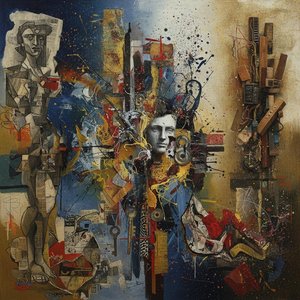
Untitled
복제본 크기
루돌프 슈팅겔의 "Untitled"은(는) Portrait 형식입니다. 이 형식은 작품 구성의 비율을 나타냅니다.
"Untitled"에 대한 방문 통계 페이지가 있습니다. 이 페이지에서는 해당 작품과 작가의 다른 작품들에 대한 월별 방문자 수를 국가 및 언어별로 상세히 확인할 수 있습니다.
루돌프 슈팅겔의 "Untitled"의 재료는 Acrylic On Canvas입니다. 복제화는 이 기법 특유의 질감을 그대로 구현하는 것을 목표로 합니다.

루돌프 슈팅겔은 1980년대 후반 미술계에 등장하며 중요한 인물로 부상했습니다. 주로 1987년부터 1994년 사이에 제작된 그의 초기 단색화 작업들은 은빛 표면 아래로 빨강, 노랑, 혹은 파랑의 미묘한 색조가 감도는 것이 특징이었습니다. 이 시기는 슈팅겔이 표면과 지각에 대한 탐구에 깊은 관심을 두게 된 토대가 되었습니다. 이후 1990년대에 접어들며 그의 예술적 발전은 더욱 극적인 전환점을 맞이하는데, 그는 보다 생동감 넘치는 색채와 질감을 실험하기 시작했습니다. 이 추상화 작업들은 캔버스 위에 두꺼운 물감 층을 입힌 뒤 거즈를 얹고 그 위에 은색 스프레이를 뿌리는 과정을 거쳤습니다. 이후 거즈를 제거하면 나타나는 풍부한 질감의 표면은 회화에 대한 전통적인 관념에 도전하며 관객에게 새로운 시각적 경험을 선사했습니다.
슈팅겔의 작업은 근본적으로 개념적이며, 주변에서 쉽게 구할 수 있는 재료들을 활용하여 예술, 공간, 그리고 지각에 관한 아이디어를 탐구합니다. 그의 예술적 실천은 회화를 넘어 설치와 조각의 영역으로 확장되었습니다. 그의 접근 방식에서 핵심적인 요소들은 다음과 같습니다.
슈팅겔의 작품은 하나의 범주로 쉽게 정의하기 어렵지만, 몇 가지 예술적 흐름을 발견할 수 있습니다.
슈팅겔의 역사적 의의는 회화와 조각에 대한 관습적인 정의에 도전하는 능력에 있습니다. 카펫과 같은 비전통적인 재료를 도입하고 건축 공간을 예술 작품으로 변모시킴으로써, 그는 예술적 표현의 경계를 확장했습니다. 그의 작업은 예술, 공간, 그리고 관람자 사이의 관계에 의문을 던짐으로써 현대 미술 담론에 지대한 공헌을 해왔습니다.
루돌프 슈팅겔의 더 많은 작품을 WahooArt.com에서 만나보세요.

1956 - , 이탈리아

Explore the profound world of Clyfford Still's Abstract Expressionism with WahooArt. Discover his unique style, existential themes & investment potential. Expert analysis for discerning collectors.

Immerse yourself in the visceral world of Francis Bacon. Explore 25 iconic masterpieces, from distorted figures to haunting portraits. Discover the stories behind these expressionist legends and find museum-quality art reproductions for your collection at WahooArt.com.

Immerse yourself in the profound emotion of Abstract Expressionism. Explore 25 iconic Mark Rothko masterpieces, from his signature color fields to timeless museum classics. Find inspiration for fine art reproductions and curated decor. Discover all masterpieces on WahooArt.com.

Explore the iconic works defining contemporary art since 2008. Discover these timeless masterpieces on WahooArt.com.
Journey through history with 10 iconic mixed media masterpieces that redefined modern art. Explore the stories, textures, and techniques behind these legendary works. Find museum-quality reproductions and curated decor inspiration at WahooArt.com. Discover all masterpieces online.
 미리보기
미리보기
 공유하기
공유하기 공유하기
공유하기
 상세 정보
상세 정보 가이드 보기

 다운로드
다운로드
 유사 작품 더 보기
 X-레이
X-레이 슬라이드 쇼 보기
 질의응답
질의응답
 통계 정보
통계 정보


 더 보기
더 보기









 유리 옵션은 110cm 미만 크기에서만 선택 가능합니다.


