































작품의 원본 비율을 유지하는 미리 설정된 크기 중에서 선택하세요.

특정 프레임이나 공간에 맞도록 직접 크기를 입력할 수 있습니다. 선택하신 크기가 원본 이미지의 비율과 일치하지 않는 경우, 작품을 자르거나 추가적인 손으로 그린 요소를 사용하여 그림을 확장합니다. 제작 시작 전 승인을 위해 디지털 목업을 보내드립니다.
화면 미리 보기는 실제 자르기 또는 확장을 반영하지 않습니다. 최종 구성은 목업을 통해서만 정확하게 확인하실 수 있습니다.
맞춤 크기 제작도 가능하지만, 원본 비율을 유지하기 위해 사전 정의된 목록에서 크기를 선택하시는 것을 권장합니다.

Figures in Landscape
복제본 크기
In the vast tapestry of twentieth-century art, few names resonate with as much stylistic authority as Roy Lichtenstein. His 1985 masterpiece, Figures in Landscape, serves as a breathtaking window into a world where the boundaries between high culture and mass media dissolve into a singular, vibrant experience. This painting is far more than a mere depiction of scenery; it is a profound exploration of how we perceive reality through the lens of modern reproduction. As viewers approach the canvas, they are immediately struck by a sense of serene contemplation, a quiet moment frozen in time amidst an unexpectedly energetic panorama of color and form.
The composition invites the eye to wander through a stylized natural world, where two figures stand as silent observers within an expansive, dreamlike terrain. Scattered throughout the scene, trees punctuate the landscape with geometric precision, while the unexpected presence of a horse adds a layer of whimsical narrative depth. This arrangement creates a dynamic tension between the stillness of the human subjects and the lively, rhythmic energy of the environment. For the discerning collector or interior designer, this piece offers a unique ability to anchor a room, providing both a focal point for conversation and a sophisticated touch of mid-century modern nostalgia.
To understand the soul of Figures in Landscape, one must look closer at the meticulous technical brilliance that defines Lichtenstein’s hand. The artwork is a masterclass in the use of Ben-Day dots—those iconic, tiny halftone patterns that mimic the mechanical printing processes found in vintage comic books and commercial advertisements. Through this technique, Lichtenstein achieves a textured surface effect that feels simultaneously industrial and deeply personal. These dots do not merely fill space; they create a palpable sense of immediacy, pulling the viewer into the very texture of the printed era.
The color palette is nothing short of transformative. Dominated by striking hues of teal, ochre, and crimson, the painting utilizes sharp contrasts to heighten its visual impact. These colors are not merely decorative choices; they work in harmony to sculpt the landscape, creating a sense of depth and atmosphere that oscillates between tranquility and intensity. The interplay of these bold tones ensures that the artwork remains visually arresting from any distance, making it an ideal selection for those looking to infuse a contemporary space with a sense of historical weight and chromatic brilliance.
Emerging from the mid-1980s, this work stands as a testament to Lichtenstein’s enduring rebellion against traditional art conventions. While his contemporaries were often exploring the heavy emotionalism of Abstract Expressionism, Lichtenstein looked toward the "low art" of pop culture—the comic strips and advertisements that defined the American experience—to challenge what was considered worthy of the gallery wall. In Figures in Landscape, we see the culmination of this journey: a sophisticated dialogue between abstraction and representation.
The emotional impact of the piece lies in its ability to evoke a sense of isolation within an expansive, beautiful world. The figures' postures suggest a quiet observation of nature, prompting us to reflect on our own place within the vastness of the modern landscape. Owning a high-quality reproduction of such a seminal work is more than an aesthetic choice; it is an invitation to live alongside a piece of art history that continues to interrogate the very essence of sight, culture, and the enduring power of the image.

1923 - 1997 , 미국

Dive into the vibrant world of Ben-Day dots. Explore how Roy Lichtenstein transformed mass media imagery into high art, redefining modern aesthetics through the iconic textures of Pop Art and its enduring impact on contemporary visual culture.

Explore the industrial artistry of Pop Art. Delve into the sophisticated history of Ben-Day dots and silk screen techniques that transformed mass media into high art, perfect for discerning collectors seeking deep historical insight and aesthetic excellence.

Explore the profound psychological depth of Roy Lichtenstein's color theory. An expert analysis for art collectors on how bold palettes and Ben-Day dots redefine modern aesthetics and luxury interior curation.

Explore the profound impact of the Pop Art Revolution on modern aesthetics. From Lichtenstein’s dots to Warhol’s icons, gain expert insights into how this vibrant movement redefined culture through consumerism and mass media. A definitive guide for art lovers and collectors.
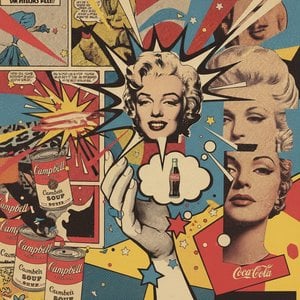
Immerse yourself in the vibrant legacy of Pop Art. Explore the stories, bold colors, and iconic techniques behind ten legendary masterpieces that redefined modern culture. Find museum-quality reproductions to elevate your space. Discover all masterpieces on WahooArt.com.


 미리보기
미리보기
 프린트 구매
 공유하기
공유하기 공유하기
공유하기
 상세 정보
상세 정보

 다운로드
다운로드
 유사 작품
유사 작품 X-레이
X-레이 슬라이드 쇼

 더 보기
더 보기









 유리 옵션은 110cm 미만 크기에서만 선택 가능합니다.


