
이 페이지에 표시된 작품은 저작권법의 보호를 받으며, 이에 따라 동일한 복제품을 제작하거나 판매하는 것은 법으로 금지되어 있습니다. 이러한 권리 보호는 다음과 같은 국제 협약에 따라 시행됩니다. 베른 협약 또한 다음에서 명시하는 법률을 포함한 국내법에 의해 보호됩니다. 미국 저작권법 제17조.
이 방식은 저작권 보호를 받는 예술 작품을 복제하거나 그대로 재현하는 것이 아니기에 저작권 규정을 완벽히 준수합니다. 대신, 이는 창의적인 재해석의 과정을 거칩니다. 즉, 원작에서 영감을 받되 원작과 동일하지 않은 새로운 회화 작품을 의미합니다.
빠른 제작과 다양한 마감 옵션을 선택할 수 있는 박물관 수준의 지클레이 및 캔버스 프린트. ( 수작업 채색 복제본 주문하기
디지털 이미지 판매 채널로 전환)
작품의 원본 비율을 그대로 유지하는 프리셋 사이즈 중에서 선택해 보세요.
특정 프레임이나 공간에 맞춰 직접 치수를 입력하실 수 있습니다. 선택하신 사이즈가 원본 이미지의 비율과 일치하지 않을 경우, 작품을 크롭(자르기)하거나 이미지를 대칭 또는 단색 채우기로 확장하여 제작합니다. 제작 시작 전, 최종 확인을 위해 디지털 목업이 전송됩니다.
화면상의 미리보기는 실제 크롭이나 확장 상태를 반영하지 않으므로, 최종 구도는 오직 목업을 통해서만 정확하게 확인하실 수 있습니다.
맞춤 사이즈 제작도 가능하지만, 원본 비율을 유지하기 위해서는 사전 정의된 목록에서 치수를 선택하시는 것을 권장합니다.
Bathroom
복제본 규격
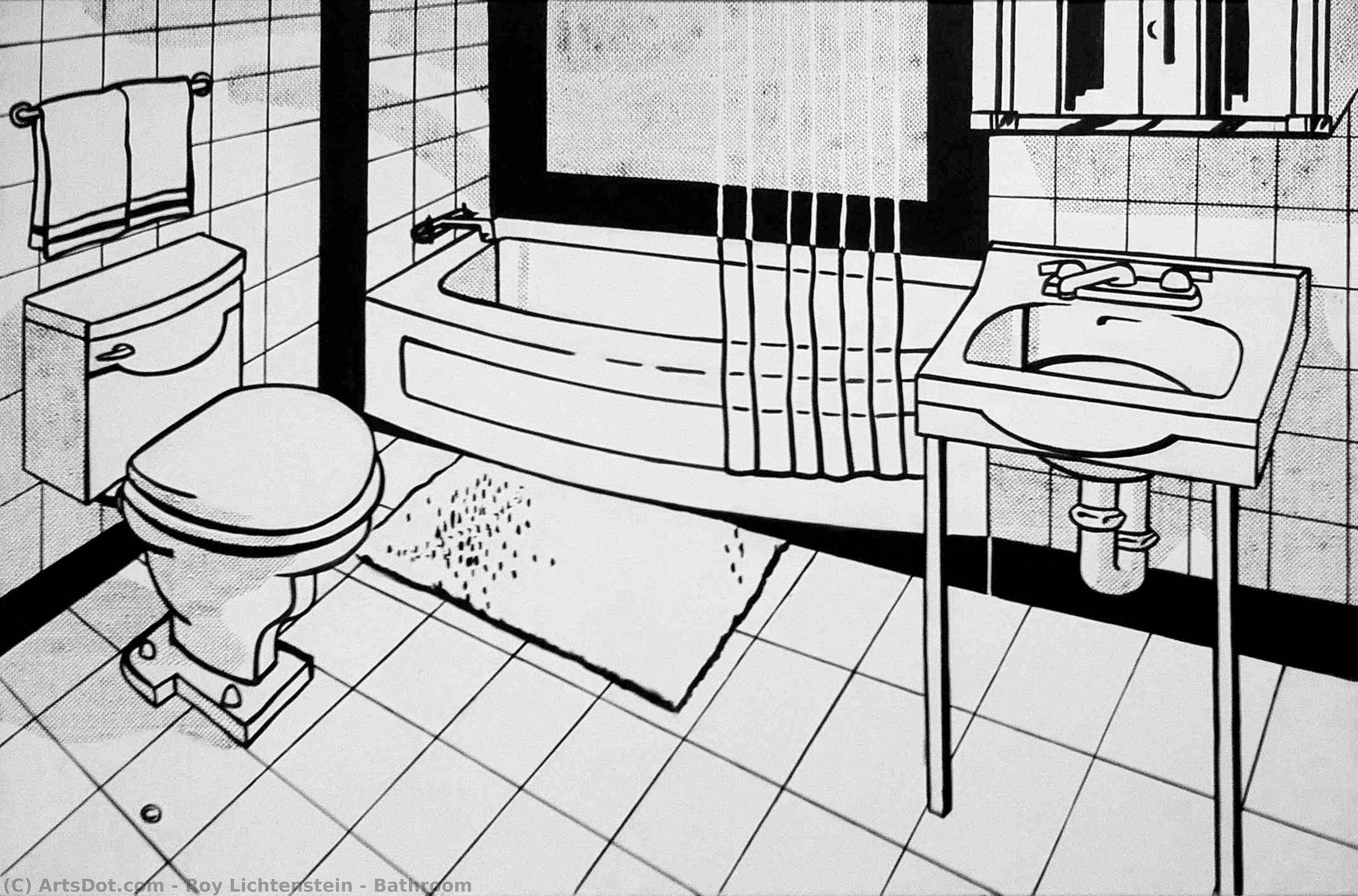
In the vast landscape of twentieth-century art, few works possess the immediate, graphic punch of Roy Lichtenstein’s 1961 masterpiece, "Bathroom." At first glance, the viewer is presented with a scene of profound mundanity—a simple, monochromatic interior featuring the essential fixtures of domestic life. Yet, beneath this seemingly banal surface lies a revolutionary interrogation of what constitutes "fine art." Lichtenstein does not merely depict a bathroom; he reconstructates it through the lens of mass media, transforming a private, utilitarian space into a striking icon of the Pop Art movement. This piece serves as an arresting testament to the era's fascination with elevating the commonplace into the realm of high artistic contemplation.
The brilliance of "Bathroom" lies in its seamless fusion of high culture and low-brow aesthetics. By adopting the visual language of comic strips and commercial advertisements, Lichtenstein disrupts the traditional boundaries of painting. The composition is rendered with a calculated, almost schematic clarity, utilizing an elevated perspective that looks down into the space as if observing a single panel from a larger, unseen narrative. There is no attempt at lush realism here; instead, we find a world defined by bold, thick outlines and flat, tonal areas that prioritize graphic impact over atmospheric depth. For the collector or interior designer, this creates a piece that is both intellectually stimulating and visually commanding, capable of anchoring a modern space with its clean, architectural energy.
To truly appreciate "Bathroom," one must look closer at the meticulous craftsmanship hidden within its mechanical appearance. While the work mimics the industrial look of a printing press, it is actually a triumph of manual precision. Lichtenstein famously employed the Ben-Day dot technique—a method of using small, closely spaced dots to create shading and texture. In "Bathroom," these halftone patterns are painstakingly applied to suggest the tactile quality of a bath mat or the rhythmic pattern of tiled walls. This deliberate use of dotting creates an illusion of depth and texture that defies the inherent flatness of the medium, inviting the eye to linger on the subtle gradations of gray and black.
The monochromatic palette is a masterstroke of restraint. By stripping away color, Lichtenstein forces the viewer to focus entirely on form, line, and contrast. The interplay between the stark black outlines and the varying shades of gray creates a rhythmic movement across the canvas, guiding the gaze from the geometric precision of the sink to the patterned surfaces of the floor. This lack of color emphasizes the work's connection to the newsprint and pulp magazines of the postwar era, reinforcing its identity as an art object born from the pulse of popular culture. It is this tension between the mechanical aesthetic and the hand-crafted execution that gives the reproduction a sense of profound, lasting quality.
Beyond its striking visual appeal, "Bathroom" carries a weight of historical significance that resonates with the spirit of the 1960s. Emerging from the shadow of World War II, the Pop Art movement sought to reject the intense, subjective emotionalism of Abstract Expressionism in favor of something more accessible and objective. Lichtenstein’s choice of subject matter—the domestic, the repetitive, and the mass-produced—serves as a subtle commentary on the rise of consumerism and the standardization of modern life. The bathroom, a site of private ritual, is here transformed into a public statement about the beauty found in the industrial and the everyday.
For those seeking to bring a piece of art history into their homes or galleries, "Bathroom" offers more than just decoration; it offers an invitation to reconsider our visual environment. It evokes a sense of nostalgia for the mid-century era while maintaining a timeless, avant-garde edge. The emotional impact is not one of heavy sentimentality, but rather a crisp, intellectual engagement—a playful yet profound recognition that art can be found in the most unexpected corners of our daily existence. Owning a high-quality reproduction of this work means possessing a fragment of the revolution that forever changed how we perceive the world around us.
로이 리히텐슈타인의 "Bathroom"은(는) Monochromatic 색채 강도를 보여줍니다.
"Bathroom"의 작가는 로이 리히텐슈타인입니다. 이 작품은 로이 리히텐슈타인의 이름으로 등록되어 있습니다.
"Bathroom"을(를) 다운로드하실 수 있습니다: 작품의 다운로드 페이지에서 고해상도 디지털 이미지 다운로드 이용이 가능합니다.
1961년에 제작된 "Bathroom"은(는) 로이 리히텐슈타인의 예술 활동기 중 Early Pop Art에 속합니다.
로이 리히텐슈타인의 "Bathroom"의 주된 색조는 Blue-Violet to Rose입니다. 이 색조는 팔레트의 바탕이 되는 톤을 형성합니다.
로이 리히텐슈타인의 "Bathroom"의 제작 연도는 1961년입니다.
1961년에 "Bathroom"이(가) 제작되었을 당시, 1923년에 태어난 로이 리히텐슈타인의 나이는 38세였습니다.
1923 - 1997 , 미국





































