
 CarvedContemporary Realism
 1991Contemporary
 39.0 x 38.0 cm
 The Polish Museum in Rapperswil
이 페이지에 표시된 작품은 저작권법의 보호를 받으며, 이에 따라 동일한 복제품을 제작하거나 판매하는 것은 법으로 금지되어 있습니다. 이러한 권리 보호는 다음과 같은 국제 협약에 따라 시행됩니다. 베른 협약 또한 다음에서 명시하는 법률을 포함한 국내법에 의해 보호됩니다. 미국 저작권법 제17조.
저희는 존중을 담은 합법적인 대안으로서, 원작에서 영감을 받은 맞춤형 수제 유화 작품을 제공합니다. 저희의 숙련된 전문 화가들은 원작의 스타일, 분위기, 예술적 정수를 면밀히 연구하여, 그 자체로 독창적인 창작물이면서도 원작과 동일한 감동을 불러일으키는 새로운 작품을 만들어냅니다.
이 방식은 저작권 보호를 받는 예술 작품을 복제하거나 그대로 재현하는 것이 아니기에 저작권 규정을 완벽히 준수합니다. 대신, 이는 창의적인 재해석의 과정을 거칩니다. 즉, 원작에서 영감을 받되 원작과 동일하지 않은 새로운 회화 작품을 의미합니다.
작가가 직접 캔버스에 손으로 그린 유화 작품으로, 원하는 크기와 액자로 맞춤 제작해 드립니다. ( 프린트 판매로 전환 디지털 이미지 판매 채널로 전환)
작품의 원본 비율을 그대로 유지하는 프리셋 사이즈 중에서 선택해 보세요.

액자나 벽면 크기에 맞춰 필요한 가로와 세로 길이를 입력해 주세요. 본 작품은 수작업으로 제작되므로, 요청하신 비율에 따라 작가가 그림의 가장자리를 조금 더 넓게 그리거나 일부를 조정하여 작업할 수 있습니다. 작업 시작 전, 최종 확인을 위해 디지털 목업 이미지를 보내드립니다. 이 페이지에 표시된 이미지는 실제 결과물과 다를 수 있으며, 오직 목업 이미지만이 정확한 결과물을 보여줍니다.
Entry into Jerusalem
복제본 규격
In the profound stillness of Roman Śledź’s Entry into Jerusalem, one finds more than a mere depiction of a biblical event; one encounters a visceral, spiritual journey captured in the very grain of the wood. Created in 1991, this masterful multi-figure composition transcends the boundaries of traditional folk art to offer a deeply personal interpretation of the Gospel. The sculpture, meticulously carved from a single log of linden wood, breathes life into the moment Jesus enters the holy city. As the eye wanders through the intricate details, it meets a crowd of at least twelve figures, each rendered with a precision that suggests a collective portrait of humanity’s shared faith and complex emotions.
The technique employed by Śledź is nothing short of extraordinary. Eschewing the rigid constraints of traditional iconography, the artist utilizes the natural medium of linden wood to sculpt a narrative that feels both ancient and immediate. The process of carving from a single log allows for a seamless continuity of form, where the physical substance of the tree becomes an extension of the sacred story. Once painted and varnished, the wood takes on a luminous quality, highlighting the subtle textures of the donkey’s coat and the expressive faces of the gathered multitude. This method ensures that every piece is a unique testament to the artist's hand, making it a singular treasure for any serious collector.
To understand this work, one must look into the heart of Roman Śledź himself. A master of the Road of the Cross, Śledź does not merely seek to replicate historical scenes; he seeks to excavate the emotional truth hidden within them. His inspiration is rooted in deep contemplation and a profound connection to the biblical text. Unlike many who rely on established church imagery, Śledź’s compositions arise from an internal spiritual landscape. This results in a style that is strikingly realistic yet imbued with a heavy sense of pathos. In Entry into Jerusalem, we see this duality manifest: the celebratory arrival of a king is tempered by the artist's characteristic focus on the weight of human experience—the subtle shadows of suffering, pain, and the profound gravity of destiny.
For the interior designer or art enthusiast, this piece serves as a powerful focal point that commands attention through its emotional depth. The way the figures are positioned—some pressing forward in greeting, others standing in quiet observation—creates a dynamic sense of movement that draws the viewer into the center of the scene. It is an artwork that invites long periods of reflection, making it an ideal acquisition for spaces dedicated to contemplation, such as private libraries, chapels, or sophisticated living areas where art is meant to provoke thought and stir the soul.
Owning a reproduction of such caliber allows one to bring a piece of Polish sculptural mastery into the home. It is not merely a decorative object but a window into a profound theological and artistic dialogue. The interplay of light on the varnished surfaces and the intricate, hand-painted details ensure that the Entry into Jerusalem remains a captivating presence, offering a timeless connection to the themes of faith, humanity, and the enduring power of the carved word.
"Entry into Jerusalem"은(는) Roman Śledź의 예술적 생애 중 Mature Period 시기에 해당합니다. 이 분류는 해당 작품을 작가의 예술적 발전 과정과 연결해 줍니다.
Contemporary Realism 사조 안에서, "Entry into Jerusalem"은(는) Spiritual한 어조로 기록되어 있습니다.
Roman Śledź의 "Entry into Jerusalem"은(는) Conversation(을)를 위해 추천되며, Living Room에 배치하기에 가장 이상적입니다. 용도와 공간 정보를 함께 참고하여 작품의 위치를 결정해 보세요.

In the quiet village of Malinówka, Poland, the origins of Roman Śledź are rooted in the humble traditions of a peasant family. His early life was marked by profound personal loss when the death of his father at age sixteen disrupted his formal education, forcing him to step into the responsibilities of adulthood alongside his mother. To support his younger siblings and maintain their farm, he undertook various labors, including working as a tractor driver in Cyców and engaging in construction work in Lublin. It was not through formal academic training, but through a sudden, inspired moment of discovery that his path as an artist began to emerge. After reading an article about the sculptors of Wola Korybutowa in the Gazeta Lubelska newspaper, he made his first attempt at carving at the age of twenty, setting in motion a lifelong spiritual and creative journey.
The work of Roman Śledź transcends the boundaries of traditional folk art, moving beyond mere craftsmanship into the realm of deep, visceral spirituality. Often referred to as a master of the Road of the Cross, his sculptures are not merely replicas of historical or religious scenes but are deeply personal interpretations of the Gospel. He does not seek inspiration in established church iconography; instead, his compositions arise from a process of constant contemplation and an internal spiritual landscape. His art is characterized by a remarkable ability to capture collective portraits—not just of individuals, but of shared human emotions such as suffering, pain, and despair. Each piece serves as a unique testament to his faith, where the physical medium becomes an extension of a sacred narrative.
The technical mastery of Śledź lies in his extraordinary relationship with his medium. Working primarily with linden wood, he approaches each project with a precision that is nothing short of breathtaking. A defining characteristic of his method is the use of a single wooden log to create complex, multi-figure compositions. This approach allows for a seamless continuity of form, where the natural grain and substance of the tree breathe life into the figures. Whether depicting the profound stillness of the Entry into Jerusalem or the agonizing weight of the Pieta, the artist utilizes the wood to sculpt a narrative that feels both ancient and immediate.
Once the carving is complete, the application of paint and varnish lends a luminous quality to the work, highlighting the subtle textures of skin, cloth, or even the coat of a donkey. This meticulous process ensures that no two sculptures are ever identical, despite addressing the same biblical themes. His ability to render realistic presentations of human agony within the organic constraints of wood has earned him significant recognition. The following elements define his unique artistic approach:
Since receiving a diploma from a museum in Lublin for his first work in 1969, Roman Śledź has ascended from a local talent to an internationally recognized figure in contemporary folk art. His career has been marked by numerous prizes and the support of distinguished collectors, such as the German journalist Ludwig Zimmerer, who helped introduce his work to a broader audience. His journey has taken him from individual exhibitions in Warsaw to showcases in Bern, Frankfurt, and Oldenburg, as well as collective exhibitions across the United States, the Netherlands, and Italy. In 2004, his talent was further celebrated on a global stage when he was invited to participate in the International Folk Art Market in Santa Fe, New Mexico.
The historical significance of Śledź’s work lies in its ability to bridge the gap between folk tradition and fine art. By eschewing rigid constraints and focusing on the emotional truth hidden within biblical texts, he has created a body of work that resonates far beyond the borders of Poland. His sculptures remain powerful, evocative monuments to the human condition, carved from the very heart of the earth.

1948 - , Poland
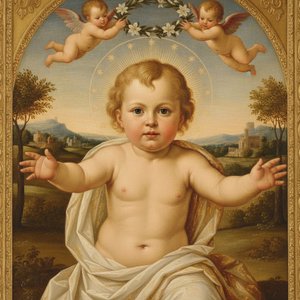
Explore the profound beauty of Baby Jesus in fine art history. From Raphael's Renaissance masterpieces to symbolic light, discover how classical painters captured divine innocence through masterful technique and sacred iconography.

Explore the profound history and intricate techniques of woodblock printing. From Ukiyo-e masterpieces to the mastery of texture and grain, discover an expert guide to this timeless art form designed for discerning collectors and art enthusiasts.

Explore the profound beauty of American Regionalism. Delve into the art history of Grant Wood and John Steuart Curry, uncovering how these masters captured the soul of the American Heartland through iconic landscapes and rural identity.


 보내기
보내기 공유하기
공유하기
 상세 보기
상세 보기 가이드 보기

 이미지 다운로드
 유사 작품 더 보기
 슬라이드 쇼 보기
 통계 정보
통계 정보 상세 보기
상세 보기






































 유리 옵션은 110cm 미만 크기에서만 선택 가능합니다.


