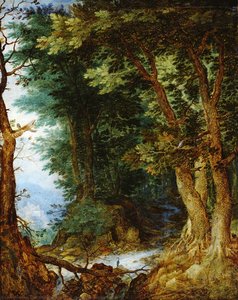
웹 미리보기 화면을 훨씬 뛰어넘는 인쇄용 파일을 만나보세요. 저희가 판매하는 모든 디지털 이미지는 스톡 데이터베이스 내의 고해상도 마스터 파일(일반적으로 가로 5,000~15,000픽셀)을 기반으로 합니다. 따라서 대형 인쇄나 정밀한 크롭 작업 시에도 세밀한 디테일을 자신 있게 구현할 수 있습니다.
저희 스튜디오를 거치는 모든 파일은 정교한 손길을 거칩니다. 디지털 전문가가 원작과 대조하여 색상을 점검하고 필요 시 보정하며, 전문 리터칭 도구를 사용하여 선명도와 디테일을 높입니다. 이 과정에서 작가의 붓 터치와 화풍을 충실히 유지하는 것을 원칙으로 합니다. 그 결과, 단순한 스캔본에 필터를 입힌 듯한 느낌이 아닌, 마치 실제 회화 작품을 보는 듯한 이미지를 구현해냅니다.
최종 완료 전 확인 단계가 있습니다. 전문가가 검토하실 수 있도록 72시간 이내에 이미지를 이메일로 보내드립니다. 결과물이 만족스럽지 않으신가요? 수정이나 보완을 요청하시거나, 품질이 기대에 미치지 못할 경우 환불을 요청하실 수 있습니다.
출판사, 디자인 스튜디오, 갤러리 및 인쇄소가 신뢰하는 바로 그 품질입니다.
개인 소장 및 전시, 인쇄, 창작 프로젝트를 위한 고해상도 파일을 다운로드하세요. ( 프린트 판매로 전환 수작업 채색 복제본 주문하기)
WahooArt.com를 선택하시면 단순히 이미지를 받는 것을 넘어, 정밀한 보정 과정을 거쳐 완성된 전문적인 디지털 예술 작품을 만나보실 수 있습니다. 모든 주문에는 만족 보장 서비스가 포함되어 있으며, 다음과 같은 사항들이 자동으로 제공됩니다:
주문 후 72시간 이내에 고해상도 디지털 이미지 파일이 이메일로 발송되며, 즉시 사용하실 수 있습니다.
귀하의 작품은 첨단 AI 기술과 정교한 수동 편집 과정을 거쳐 전문적으로 최적화되며, 이를 통해 디테일과 선명도, 색상의 정확도를 극대화합니다.
파일을 실수로 삭제하거나 분실하셨나요? 걱정 마세요. 언제든 무료로 다시 보내드립니다.
관세, 부가세, 배송비 부담 없이 작품을 즉시 소장하세요 - 디지털 다운로드는 언제나 면세 혜택이 적용됩니다.
전문적인 도구와 색상 관리 시스템을 통해 디지털 이미지가 원본의 색상을 최대한 정확하게 구현하도록 보장합니다.
구매하신 디지털 이미지에 만족하지 못하실 경우, 100일 이내에 별도의 조건 없이 수정 또는 100% 환불을 진행해 드립니다.
만족스럽지 않으신가요? 디지털 파일을 받으신 후 100일 이내라면 어떤 이유로든 조건 없이 전액 환불해 드립니다.
이미지 3매 구매 시 10% 할인 - 5매 구매 시 15% 할인 - 10매 이상 구매 시 20% 할인. 크리에이티브 프로젝트, 갤러리, 에이전시에 매우 유용합니다.

Born in Amsterdam in 1627, Roelandt Roghman emerged from a distinguished artistic lineage – a family deeply rooted in the world of engraving and painting. His father, Hendrick Lambertsz. Roghman, was himself an engraver, establishing a foundation of technical skill and artistic sensibility that profoundly shaped his son’s career. While details about his early life remain somewhat sparse, it's clear that Roghman benefited from exposure to established artistic practices within this influential family circle. This familial connection provided not only practical training but also a network of contacts and an understanding of the prevailing aesthetic values of the Dutch Golden Age.
Roghman’s artistic journey unfolded primarily in Amsterdam, where he spent much of his life working as a landscape painter, etcher, and draughtsman. Unlike some of his contemporaries who specialized in specific genres – such as portraiture or still life – Roghman embraced the burgeoning interest in depicting the natural world with increasing realism and psychological depth. This shift was driven by several factors: the rise of scientific observation, the growing appreciation for the beauty of the Dutch countryside, and a desire to capture fleeting moments of light and atmosphere. His work reflects this evolving artistic landscape, moving beyond mere topographical representation towards a more nuanced exploration of nature’s moods and textures.
Roghman's paintings are immediately recognizable for their masterful use of light and shadow – a technique he honed through meticulous observation and a deep understanding of atmospheric perspective. He frequently depicted scenes of the Dutch countryside, often featuring elements like wooded areas, rivers, and distant mountains. These landscapes weren’t simply rendered as picturesque backdrops; they were imbued with a sense of drama and emotion. Roghman skillfully employed chiaroscuro – the dramatic contrast between light and dark – to create a palpable sense of depth and volume, drawing the viewer into the heart of the scene.
His compositions often incorporated elements of biblical narrative, reflecting the religious themes prevalent in Dutch art during this period. Works like “Landscape (Christ on the Road to Emmaus)” demonstrate his ability to seamlessly integrate these stories within a realistic landscape setting. The figures are subtly placed within the natural environment, creating a powerful visual metaphor for faith and redemption. Roghman’s approach was not to impose religious symbolism onto the landscape but rather to allow the scene itself to evoke spiritual contemplation.
Roghman's artistic style can be characterized by a combination of meticulous detail and expressive brushwork. He employed a technique known as “pointillé,” using numerous small, closely spaced dots to create texture and suggest form – particularly evident in his depictions of foliage and water surfaces. This method allowed him to achieve remarkable realism while maintaining a sense of atmospheric haze and depth. His etching skills were equally impressive, contributing significantly to the clarity and precision of his drawings.
While Roghman’s work is often associated with the Dutch Golden Age, it was undoubtedly influenced by several key artists. The influence of Rembrandt van Rijn is particularly evident in his use of light and shadow, as well as his ability to convey psychological depth within his subjects. Furthermore, he drew inspiration from the works of earlier landscape painters like Jan van Goyen and Salomon van Ruysdael, adapting their techniques while developing a distinctly personal style. The legacy of Flemish masters such as Peter Bruegel the Elder also played a role in shaping his artistic vision.
Roelandt Roghman’s contribution to Dutch art lies primarily in his masterful depiction of the landscape – a genre that was undergoing a profound transformation during the 17th century. He helped to establish a new standard for realism and psychological depth, paving the way for subsequent generations of landscape painters. His works are now held in prestigious collections around the world, including the National Gallery in London and the Rijksmuseum in Amsterdam, testament to their enduring artistic merit.
Roghman’s work reflects a broader cultural shift – a growing appreciation for nature and a desire to capture its beauty and complexity. His landscapes offer a window into the Dutch countryside of his time, providing valuable insights into the social, economic, and spiritual values of the Golden Age. He remains a significant figure in the history of Dutch art, celebrated for his technical skill, artistic sensitivity, and ability to evoke the spirit of the natural world.

1627 - 1692 , Netherlands
 미리보기
미리보기
 공유하기
공유하기 공유하기
공유하기
 상세 정보
상세 정보 가이드 보기

 다운로드
다운로드
 유사 작품 더 보기
 X-레이
X-레이 슬라이드 쇼 보기
 질의응답
질의응답
 통계 정보
통계 정보 더 보기
더 보기