

 Oil On CanvasWallArtHudson River School
 1852
1852 277.0 x 232.0 cm
 Taft Museum of Art
빠른 제작과 다양한 마감 옵션을 선택할 수 있는 박물관 수준의 지클레이 및 캔버스 프린트. ( 수작업 채색 복제본 주문하기 디지털 이미지 판매 채널로 전환)





























작품의 원본 비율을 그대로 유지하는 프리셋 사이즈 중에서 선택해 보세요.

액자나 벽면 크기에 맞춰 필요한 가로와 세로 길이를 입력해 주세요. 프린트는 원본 이미지보다 크게 제작할 수 없으며 오직 자르는 것만 가능하므로, 비율이 다른 사이즈를 선택할 경우 이미지의 일부가 잘려 나갈 수 있습니다. 인쇄 작업에 들어가기 전, 최종 확인을 위해 디지털 목업을 보내드립니다. 이 페이지에 표시된 이미지는 실제 잘리는 영역을 나타내지 않으며, 오직 목업을 통해서만 정확한 확인이 가능합니다.
Landscape Mural
복제본 규격
Robert Seldon Duncanson's "Landscape Mural," painted in 1852, isn’t merely a depiction of a river valley; it’s a carefully constructed meditation on nature, memory, and the burgeoning American identity. This monumental work, now residing within the Taft Museum of Art in Cincinnati, Ohio, stands as a pivotal piece of the Hudson River School—a movement that sought to capture the sublime beauty of America's landscapes with scientific precision and Romantic fervor. Duncanson, an African-American artist navigating a deeply segregated society, imbued this painting with layers of meaning, subtly reflecting on themes of race, spirituality, and the relationship between humanity and the natural world.
The scene unfolds beneath a brooding, yet ultimately benevolent, sky – a classic Hudson River School motif. A gently flowing river dominates the composition, its surface mirroring the clouds above in a delicate dance of reflection. The foreground is anchored by a cluster of trees, their branches reaching upwards like supplicating arms, while a distant bridge arches gracefully across the valley, hinting at civilization’s presence without overwhelming the scene's tranquility. Notice the meticulous detail with which Duncanson renders each element – the texture of bark, the ripples in the water, the subtle gradations of color in the foliage. This commitment to realism was paramount for the Hudson River School artists, who sought to elevate landscape painting to a level of scientific accuracy and artistic merit.
Duncanson employed the traditional technique of *fresco secco*, applying his pigments directly onto dry plaster. This method, favored by Renaissance masters, demanded both skill and speed – the artist had to work quickly before the plaster dried and the colors set. The resulting surface is remarkably durable, allowing the painting to retain its vibrancy across centuries. The color palette is predominantly cool—greens, blues, and grays—creating a sense of atmospheric depth and distance. Duncanson masterfully utilizes *chiaroscuro*, the dramatic contrast between light and shadow, to sculpt the forms and heighten the emotional impact of the scene. The subtle variations in tone suggest a soft, diffused light, characteristic of an overcast day – a common occurrence in the Ohio Valley during that period.
Beyond its aesthetic beauty, “Landscape Mural” carries significant historical weight. Duncanson’s work emerged during a time of profound social change in America—the abolitionist movement was gaining momentum, and discussions about race and equality were becoming increasingly urgent. While the painting itself doesn't explicitly address these issues, scholars have interpreted it as a subtle commentary on the African-American experience. The river, often associated with journeys and transitions, can be seen as a metaphor for the arduous path to freedom and self-determination. The bridge, representing connection and progress, symbolizes the hope for a more just and equitable future. Furthermore, Duncanson’s decision to depict a serene landscape—a departure from the often-grim realities of life in 19th-century America—suggests a yearning for spiritual renewal and harmony with nature.
Looking at “Landscape Mural” today, one is immediately struck by its profound sense of tranquility. The painting invites the viewer to step into the scene, to breathe in the fresh air, and to lose oneself in the beauty of the natural world. It’s a testament to Duncanson's skill as an artist—his ability to capture not just the appearance of a landscape, but also its emotional essence. The painting’s enduring appeal lies in its capacity to evoke feelings of peace, contemplation, and connection to something larger than oneself. It remains a powerful reminder of the transformative power of art and the importance of preserving our natural heritage.
Taft Museum of Art에 소장된 로버트 셀던 던컨슨의 "Landscape Mural"은(는) 퍼블릭 도메인 - 저작권 보호 기간이 만료되었습니다 상태입니다. 이 상태에 따라 해당 이미지의 복제 가능 여부가 결정됩니다.
로버트 셀던 던컨슨의 작품 세계에서 "Landscape Mural"은 romantic landscape influence, hudson river school tradition, american naturalism focus, african american perspective, civil war era reflection, ohio valley depiction, early career masterpiece, exploring regional identity라는 주제와 더불어 Hudson River School 양식을 보여줍니다.
"Landscape Mural"은 작가의 탄생지를 통해 Hudson River School 사조와 미국를 연결합니다.

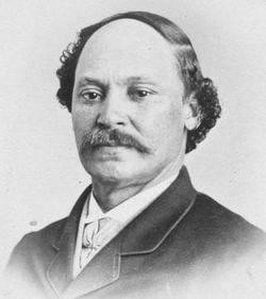
1821 - 1872 , 미국

Explore the profound beauty of American Romanticism. Discover how the Hudson River School captured the wild frontier through masterful landscapes, exploring the legacy of legends like Thomas Cole and Asher Durand in this deep dive into art history.

Delve into the breathtaking world of the Hudson River School. Our expert guide explores how 19th-century masters captured the sublime majesty of the American wilderness through Romanticism and unparalleled landscape artistry. A must-read for fine art enthusiasts.

Explore the profound beauty of American art history. From the Hudson River School to iconic landscapes, discover a curated journey through the masterpieces that defined a nation's spirit and the enduring legacy of American Romanticism.

 실제 크기로 보기
 보내기
보내기 공유하기
공유하기
 상세 보기
상세 보기 가이드 보기

 이미지 다운로드
 유사 작품 더 보기
 X-레이
X-레이 슬라이드 쇼 보기
 통계 정보
통계 정보 상세 보기
상세 보기









 유리 옵션은 110cm 미만 크기에서만 선택 가능합니다.


