무료 아트 컨설팅

x
프린트 구매하기 프린트 구매하기작품 구매하기 작품 구매하기 공유하기공유하기
상세 정보상세 정보 즐겨찾기에 추가 즐겨찾기에 추가 다운로드다운로드 유사 작품유사 작품 X-레이X-레이 슬라이드 쇼슬라이드 쇼

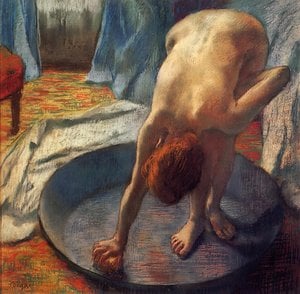
Untitled

  • 제작 연도1973
  • 크기 및 규격33.0 x 33.0 cm

Robert Mangold (b. 1937) is a leading American minimalist painter renowned for shaped canvases, geometric abstraction & subtle color fields. Explore his influential work challenging traditional painting boundaries.

온라인 미리보기보다 훨씬 뛰어난 품질의 고해상도 디지털 이미지를 구매해 보세요.

각 파일은 사내 전문가가 고급 도구와 숙련된 수동 리터칭 기술을 사용하여 세심하게 준비합니다. 우리는 모든 이미지가 탁월한 선명도, 정확한 색상 재현력, 그리고 미세한 디테일까지 완벽하게 갖추도록 보장합니다.

최종 파일은 전문적인 편집 및 인쇄 환경에서 즉시 사용할 수 있도록 최적화되어 72시간 이내에 이메일로 발송됩니다. 이는 세계적인 디자인 스튜디오, 출판사 및 갤러리가 신뢰하는 것과 동일한 품질입니다.

디지털 이미지

개인 소장 및 전시, 인쇄, 창작 프로젝트를 위한 고해상도 파일을 다운로드하세요.

최종 결제 금액

$9.99

모든 디지털 이미지 주문에 포함된 혜택

전문적인 디지털 이미지 전송 보장

WahooArt.com를 선택하시면 단순히 이미지를 받는 것을 넘어, 정밀한 보정 과정을 거친 전문적인 디지털 예술 작품을 만나보실 수 있습니다. 모든 작품에는 만족 보장 서비스가 함께 제공되며, 주문 시 다음과 같은 사항들이 자동으로 포함됩니다:

shipping_icon
빠른 이메일 전송

주문 후 72시간 이내에 고해상도 디지털 이미지 파일이 이메일로 발송되며, 즉시 사용하실 수 있습니다.

canvas_icon
AI 기술로 향상된 디지털 파일

귀하의 작품은 고급 AI 도구와 수동 편집 과정을 거쳐 전문적으로 최적화되며, 이를 통해 디테일과 선명도, 색상의 정확도를 극대화합니다.

insurance_icon
평생 무료 재전송 서비스

파일을 실수로 삭제하거나 분실하셨나요? 걱정 마세요. 언제든 무료로 다시 보내드립니다.

tax_icon
추가 수입 비용 없음 - 언제나

관세나 부가세, 배송비 부담 없이 작품을 즉시 감상하세요 - 디지털 다운로드는 언제나 면세 혜택이 적용됩니다.

color_icon
정확한 색상 보장

전문적인 도구와 색상 관리 시스템을 통해 디지털 이미지가 원본의 색상을 최대한 정확하게 구현하도록 보장합니다.

return_icon
60일 만족 보장제

구매하신 디지털 이미지에 만족하지 못하실 경우, 60일 이내에 수정 또는 100% 환불을 진행해 드립니다 - 어떠한 문의도 필요 없습니다.

guarantee_icon
100% 환불 보장

만족하지 못하셨나요? 디지털 파일을 수령하신 후 60일 이내라면 별도의 이유를 밝힐 필요 없이 전액 환불해 드립니다.

discount_icon
대량 주문 할인

이미지 3매 구매 시 10% 할인 - 5매 구매 시 15% 할인 - 10매 이상 구매 시 20% 할인. 크리에이티브 프로젝트, 갤러리, 에이전시에 매우 유용합니다.

유사한 작품들


작가 소개

A Quiet Revolution in Form: The World of Robert Mangold

Robert Mangold emerged as a pivotal figure in the American art landscape of the 1960s, though his impact wasn’t one of bombast or overt gesture. Instead, it was a quiet revolution—a subtle dismantling of traditional painting conventions that paved the way for new explorations of form, color, and perception. Born in North Tonawanda, New York, in 1937, Mangold's path to becoming a leading minimalist painter wasn’t immediately clear. He initially pursued engineering studies before recognizing the compelling pull of artistic expression, ultimately earning degrees from the University of Buffalo and Yale University School of Art. This early exposure to technical disciplines perhaps informed his later meticulous approach to painting, where precision and conceptual rigor are paramount. Mangold's journey began within the shadow of Abstract Expressionism, but he quickly discerned a desire for something more restrained, more intellectual—a move away from the subjective emotionality toward an objective exploration of the fundamental elements of art.

The Influence of Pioneers and the Birth of a Style

Mangold’s artistic development was profoundly shaped by encounters with the giants of abstraction who preceded him. The austere geometries of Kazimir Malevich, the carefully calibrated compositions of Piet Mondrian, and the expansive color fields of Barnett Newman all resonated deeply, providing a foundation for his own unique vision. He wasn’t simply imitating these masters; rather, he was absorbing their core principles—the reduction to essential forms, the emphasis on flatness, the exploration of spatial relationships—and reinterpreting them through a distinctly contemporary lens. This period marked a deliberate rejection of the gestural intensity that characterized Abstract Expressionism. Mangold sought to eliminate any trace of the artist’s hand, striving for a sense of impersonal objectivity. It was in this pursuit that he began experimenting with shaped canvases – a defining characteristic of his mature style. These weren't arbitrary forms; they were carefully considered interventions, challenging the very notion of what a painting *could* be.

Shaped Canvases and Conceptual Rigor

The introduction of shaped canvases wasn’t merely an aesthetic choice for Mangold; it was a conceptual one. By abandoning the traditional rectangular format, he disrupted the established relationship between image and support, forcing viewers to confront the physicality of the painting as an object in space. His compositions typically feature geometric abstraction—simplified shapes and lines arranged with meticulous precision. These forms aren’t representational; they don't refer to anything outside themselves. Instead, they exist purely as arrangements of color and line, inviting contemplation of their inherent qualities. Mangold’s palette is often muted, favoring subtle pastel tones that create atmospheric effects without overwhelming the viewer. This restraint extends to his technique: surfaces are smooth and even, devoid of brushstrokes or any other evidence of manual manipulation. The result is a sense of serene detachment—a painting that feels both present and remote, inviting prolonged observation. Major series like the Plane/Figure Series, with its explorations of divided canvas compositions, and the Ring Series, featuring circular forms within rectangular fields, demonstrate his consistent engagement with these core principles.

Legacy and Lasting Impact

Robert Mangold’s influence on contemporary art is undeniable. He played a crucial role in shaping the development of minimalist painting, expanding the possibilities of abstract art and challenging conventional notions of representation. Alongside artists like Robert Ryman, he represents the heart of minimalist painting—a commitment to conceptual rigor and formal reduction. His work has been widely exhibited in museums and galleries around the world, finding homes in prominent collections such as The Museum of Modern Art and The Metropolitan Museum of Art in New York, and The Tate Modern in London. Beyond his paintings, Mangold’s explorations extended into wall paintings, large-scale works designed to interact with architectural spaces, and the Column Structure Series, which investigated verticality and spatial relationships. His legacy isn't simply about the specific forms he created; it’s about the questions he raised—questions that continue to resonate with artists today who grapple with the fundamental elements of art and the possibilities of abstraction. He demonstrated that profound artistic expression could emerge not from grand gestures, but from a quiet, persistent exploration of form and color.