
무료 아트 컨설팅

x
프린트 구매하기 프린트 구매하기이미지 구매하기 이미지 구매하기 공유하기공유하기
상세 정보상세 정보 즐겨찾기에 추가 즐겨찾기에 추가 다운로드다운로드 유사 작품유사 작품 X-레이X-레이 슬라이드 쇼슬라이드 쇼

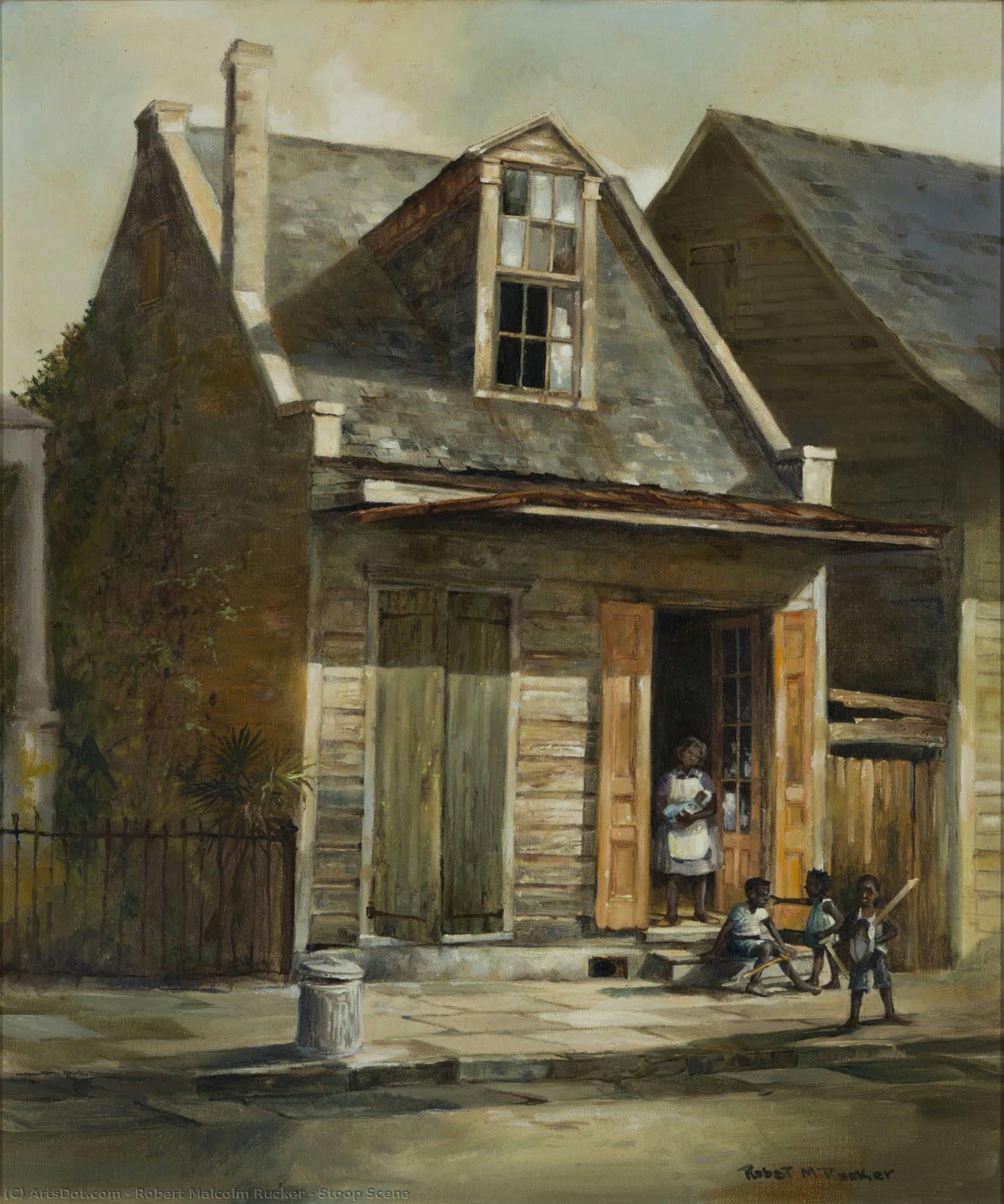
Stoop Scene

Explore Robert Malcolm Rucker’s ‘Stoop Scene,’ a 1970 oil painting of rural Creole life. Admire its realistic style, muted colors & rich textures depicting everyday community.

Discover the impressionistic art of Robert Malcolm Rucker, a Louisiana legend known for vibrant landscapes & cultural heritage. Explore his legacy.

수제 유화 복제품

원하는 크기와 액자로 주문 제작되는, 작가들이 직접 캔버스에 손으로 그린 유화 작품입니다.

Standard
custom
CM
INCH

작품의 원본 비율을 유지하는 미리 설정된 크기 중에서 선택하세요.

가로 너비
세로 길이

특정 프레임이나 공간에 맞도록 직접 크기를 입력할 수 있습니다. 선택하신 크기가 원본 이미지의 비율과 일치하지 않는 경우, 작품을 자르거나 추가적인 손으로 그린 요소를 사용하여 그림을 확장합니다. 제작 시작 전 승인을 위해 디지털 목업을 보내드립니다.
화면 미리 보기는 실제 자르기 또는 확장을 반영하지 않습니다. 최종 구성은 목업을 통해서만 정확하게 확인하실 수 있습니다.
맞춤 크기 제작도 가능하지만, 원본 비율을 유지하기 위해 사전 정의된 목록에서 크기를 선택하시는 것을 권장합니다.

변경 가능한 예시: 얼굴을 고객의 사진으로 교체, 반려동물 추가(예: 고양이를 강아지로 변경), 배경에 숨겨진 메시지 삽입, 배경 풍경 또는 요소 변경 등
주문 후 WahooArt.com 팀에서 상세 안내를 위해 고객님께 이메일을 보내드리며, 미리보기 시안을 제공해 드립니다.

전 세계 배송()은 표준 5주 대신 3~4주 내에 완료됩니다. (16 7월). 품질에는 어떠한 타협도 하지 않습니다.

why_choose_icon
전 세계 무료 특급 배송
why_choose_icon
프리미엄 린넨 캔버스
why_choose_icon
전체 배송 보험 보장
why_choose_icon
관세 환불 보장
why_choose_icon
실제 색상 일치 보장
why_choose_icon
60일 이내 반품 정책 (제조 결함 시)
why_choose_icon
100% 환불 보장
why_choose_icon
다량 구매 할인 혜택

총 합계 금액

-

reproduction

Stoop Scene

재현 기법

복제본 크기

-

최종 결제 금액

-


작가 약력

Richard Kemble: A Quiet Master of Woodcuts

Richard Kemble, born in Erie, Pennsylvania in 1932 and passing away in 2007, wasn’t a name that frequently echoed through the halls of grand museums or dominated art headlines. Yet, within his deceptively simple woodcut prints and pastel landscapes lies a profound quietude and an understated mastery of line and texture – qualities that have earned him a devoted following among collectors and a deserved recognition as a significant figure in American printmaking. His life was one dedicated to teaching and creating, culminating in over 350 print editions, primarily woodcuts, crafted during the latter half of his career, largely at his residences in Key West, Florida, and Nantucket, Massachusetts. Kemble’s journey wasn't defined by dramatic pronouncements or radical departures; instead, it was a slow, deliberate cultivation of a unique visual language rooted in observation and a deep appreciation for the natural world.

Early Life and Artistic Foundations

Kemble’s early life provided a grounding in both artistic principles and pedagogical practice. He began his formal training at the State University at Buffalo, where he taught for nearly two decades, shaping generations of students with a patient and insightful approach. Later, he found a new home as a professor at Pratt Institute in New York City, further expanding his influence within the art community. Crucially, it was during this period that Kemble received a prestigious fellowship from the National Endowment for the Arts – a pivotal moment that allowed him to dedicate himself fully to his artistic pursuits. This recognition underscored the value he placed on craftsmanship and the importance of sustained creative exploration. His early exposure to the works of realist painters like Edgar Degas, Edward Hopper, and Thomas Eakins profoundly influenced his approach to depicting the world around him, instilling a meticulous attention to detail and an ability to capture fleeting moments of beauty and stillness.

The Development of a Distinctive Style

Kemble’s artistic style evolved gradually over time, reflecting both his technical skill and his evolving aesthetic sensibilities. Initially, he produced prints that were closely aligned with the traditions of wood engraving, characterized by sharp lines and precise rendering. However, as he gained experience and honed his technique, he began to experiment with looser, more expressive approaches. He developed a distinctive squeegee technique – using a tool to push and scrape paint across the canvas – which created a textured surface that added depth and richness to his prints. This method, combined with his careful selection of subjects—primarily landscapes and scenes of everyday life—resulted in works that possessed a remarkable sense of immediacy and intimacy. His later work shifted towards more abstract compositions, exploring the interplay of color and line in ways that were both subtle and evocative. The influence of Japanese *emakimono* (woodblock prints) is evident in his use of layered colors and simplified forms, demonstrating an appreciation for traditional techniques while forging a distinctly personal style.

Themes and Influences

Kemble’s work is often characterized by its quiet contemplation and understated beauty. He rarely addressed overtly political or social themes, instead focusing on capturing the essence of his subjects—the changing seasons, the textures of nature, and the simple pleasures of everyday life. The influence of photography is palpable in his meticulous attention to detail and his ability to render light and shadow with remarkable accuracy. However, unlike photorealist painters who sought to replicate photographs exactly, Kemble used photography as a starting point for his own creative explorations, transforming images into works of art through the process of printmaking. The legacy of European landscape painting—particularly the work of Impressionists like Monet and Pissarro—is also evident in his use of color and his emphasis on capturing the fleeting effects of light.

Legacy and Significance

Richard Kemble’s contribution to American printmaking may not be widely celebrated, but it is nonetheless significant. His quiet dedication to craft, his masterful technique, and his understated aesthetic have earned him a devoted following among collectors and art enthusiasts. His work stands as a testament to the power of observation, the beauty of simplicity, and the enduring appeal of traditional printmaking techniques. While he avoided the spotlight, Kemble’s prints—characterized by their quiet elegance and profound sense of stillness—continue to resonate with viewers today, offering a moment of respite from the complexities of modern life. His legacy lies not in grand pronouncements or revolutionary gestures, but in the subtle beauty and enduring quality of his woodcut prints – a testament to a lifetime spent quietly observing and translating the world onto paper.
robert malcolm rucker

robert malcolm rucker

1932 - 2001 , United States of America

주요 정보

  • Artistic Movement Or Style: Photorealism
  • Artists Or Movements Influenced By This Artist:
    • Chuck Close
    • Photorealism movement
  • Artists Who Influenced This Artist:
    • Edgar Degas
    • Edward Hopper
    • Thomas Eakins
  • Date Of Birth: May 14, 1932
  • Full Name: Richard Estes
  • Nationality: American
  • Notable Artworks:
    • Telephone Booths
    • Cityscapes
    • Van Gogh portraits
  • Place Of Birth: New York City, USA





































