


x


 Abstract Expressionism
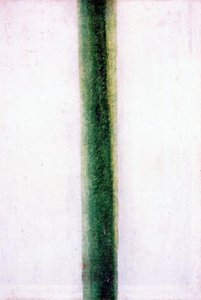
 1958
1958 168.0 x 138.0 cm
온라인 미리보기보다 훨씬 뛰어난 품질의 고해상도 디지털 이미지를 구매해 보세요.
각 파일은 사내 전문가가 고급 도구와 숙련된 수동 리터칭 기술을 사용하여 세심하게 준비합니다. 우리는 모든 이미지가 탁월한 선명도, 정확한 색상 재현력, 그리고 미세한 디테일까지 완벽하게 갖추도록 보장합니다.
최종 파일은 전문적인 편집 및 인쇄 환경에서 즉시 사용할 수 있도록 최적화되어 72시간 이내에 이메일로 발송됩니다. 이는 세계적인 디자인 스튜디오, 출판사 및 갤러리가 신뢰하는 것과 동일한 품질입니다.
WahooArt.com를 선택하시면 단순히 이미지를 받는 것을 넘어, 정밀한 보정 과정을 거친 전문적인 디지털 예술 작품을 만나보실 수 있습니다. 모든 작품에는 만족 보장 서비스가 함께 제공되며, 주문 시 다음과 같은 사항들이 자동으로 포함됩니다:

주문 후 72시간 이내에 고해상도 디지털 이미지 파일이 이메일로 발송되며, 즉시 사용하실 수 있습니다.

귀하의 작품은 고급 AI 도구와 수동 편집 과정을 거쳐 전문적으로 최적화되며, 이를 통해 디테일과 선명도, 색상의 정확도를 극대화합니다.

파일을 실수로 삭제하거나 분실하셨나요? 걱정 마세요. 언제든 무료로 다시 보내드립니다.

관세나 부가세, 배송비 부담 없이 작품을 즉시 감상하세요 - 디지털 다운로드는 언제나 면세 혜택이 적용됩니다.

전문적인 도구와 색상 관리 시스템을 통해 디지털 이미지가 원본의 색상을 최대한 정확하게 구현하도록 보장합니다.

구매하신 디지털 이미지에 만족하지 못하실 경우, 60일 이내에 수정 또는 100% 환불을 진행해 드립니다 - 어떠한 문의도 필요 없습니다.

만족하지 못하셨나요? 디지털 파일을 수령하신 후 60일 이내라면 별도의 이유를 밝힐 필요 없이 전액 환불해 드립니다.

이미지 3매 구매 시 10% 할인 - 5매 구매 시 15% 할인 - 10매 이상 구매 시 20% 할인. 크리에이티브 프로젝트, 갤러리, 에이전시에 매우 유용합니다.



Andrew Newell Wyeth (July 12, 1917 – January 16, 2009) stands as one of the most distinctive and enduring figures in 20th-century American art. Often described as a realist painter, his work transcends simple representation, delving into profound themes of memory, isolation, and the quiet dignity of rural life. Born in Portland, Maine, Wyeth’s artistic journey was deeply rooted in his family's legacy – particularly that of his father, N.C. Wyeth, a celebrated illustrator and member of the Brandywine School. This familial connection provided both inspiration and a subtle pressure to forge his own unique path, one characterized by an intensely personal and often melancholic vision.
Wyeth’s early life was shaped by the landscapes and people of Maine and Pennsylvania. He spent countless hours observing his surroundings, meticulously capturing details that spoke volumes about time, place, and human experience. His childhood was marked by a close relationship with his grandmother, Fannie Wyeth Stillwell, whose presence became a recurring motif in his work – most famously depicted in *Christina’s World* (1948), an image that has become synonymous with his style. This painting, housed at the Museum of Modern Art in New York City, exemplifies Wyeth's ability to imbue seemingly simple scenes with layers of psychological depth and emotional resonance.
Beginning in the late 1940s, Wyeth embarked on a series of paintings depicting windows – a motif that would become central to his artistic practice for decades. These “Windows” paintings are not simply representations of glass; they are portals into other worlds, reflections of memory, and explorations of isolation. Each window frames a scene—a room, a landscape, or even an interior space—and through its reflection, Wyeth invites the viewer to contemplate the relationship between the seen and the unseen, the real and the imagined.
The Windows series is particularly notable for its exploration of memory and loss. Many of these paintings depict rooms that appear to be frozen in time, filled with objects that evoke a sense of nostalgia and longing. The figures within these scenes are often ambiguous, their identities obscured by shadow and distance, suggesting the elusive nature of memory itself. Wyeth’s masterful use of light and color further enhances this effect, creating an atmosphere of quiet melancholy and profound introspection.
Despite his initial reluctance to embrace publicity, Andrew Wyeth received widespread recognition for his work throughout his career. He was awarded the Presidential Medal of Freedom in 1988, a testament to his enduring influence on American art. In 1987, he was elected to the French Académie des Beaux-Arts—a rare honor bestowed upon an American artist—solidifying his place among the most esteemed figures in the international art world.
Wyeth’s legacy extends far beyond his individual paintings. His meticulous observation, his profound understanding of human emotion, and his distinctive visual style have influenced generations of artists. *Christina's World* remains one of the most iconic images of the 20th century, a powerful symbol of American isolation and resilience. Andrew Wyeth’s art continues to resonate with viewers today, inviting us to contemplate the beauty and melancholy of the everyday world.
For more information about Andrew Wyeth, please consult the following resources:

1917 - 2010 , United States of America


최신 미술 뉴스, 특별 혜택 및 인테리어 아이디어를 가장 먼저 만나보세요.
프로젝트에 대해 알려주시면 저희 미술 전문가들이 맞춤형 아트 제안 3가지를 전달해 드립니다.
당신만을 위한 맞춤형 옵션 3가지를 무료로 추천해 드립니다!
 프린트 구매하기
 공유하기
공유하기 공유하기
공유하기
 상세 정보
상세 정보

 다운로드
다운로드
 유사 작품
유사 작품 X-레이
X-레이 슬라이드 쇼
 더 보기
더 보기


