


x

작품의 원본 비율을 유지하는 미리 설정된 크기 중에서 선택하세요.

특정 프레임이나 공간에 맞춰 직접 치수를 입력하실 수 있습니다. 선택하신 사이즈가 원본 이미지의 비율과 일치하지 않을 경우, 작품을 크롭(자르기)하거나 이미지를 대칭 또는 단색 채우기로 확장하여 제작합니다. 제작 시작 전, 최종 확인을 위해 디지털 목업이 전송됩니다.
화면상의 미리보기는 실제 크롭이나 확장 상태를 반영하지 않으므로, 최종 구도는 오직 목업을 통해서만 정확하게 확인하실 수 있습니다.
맞춤 사이즈 제작도 가능하지만, 원본 비율을 유지하기 위해서는 사전 정의된 목록에서 치수를 선택하시는 것을 권장합니다.

The
복제본 크기
Rob Pinney isn't a name instantly recognizable to the general public, yet his photographs have borne witness to some of humanity’s most harrowing and transformative moments. A British documentary photographer and photojournalist, he’s spent decades immersed in conflict zones, refugee camps, and marginalized communities, crafting images that transcend mere documentation and instead become poignant narratives of survival, resilience, and the enduring human spirit. Pinney's work isn’t about sensationalism; it’s a deeply considered exploration of displacement, loss, and the often-invisible realities faced by those caught in the currents of global instability.
Born in the United Kingdom, Pinney’s journey into photojournalism began with a fascination for film and a desire to understand the world beyond his immediate surroundings. Early influences included classic documentary photographers like Dorothea Lange and Robert Capa, whose ability to capture both the starkness of circumstance and the dignity of the subject resonated deeply. However, Pinney's approach quickly diverged from purely observational work. He sought not just to record events but to engage with them on a human level, building trust with individuals and communities often caught in the crosshairs of conflict.
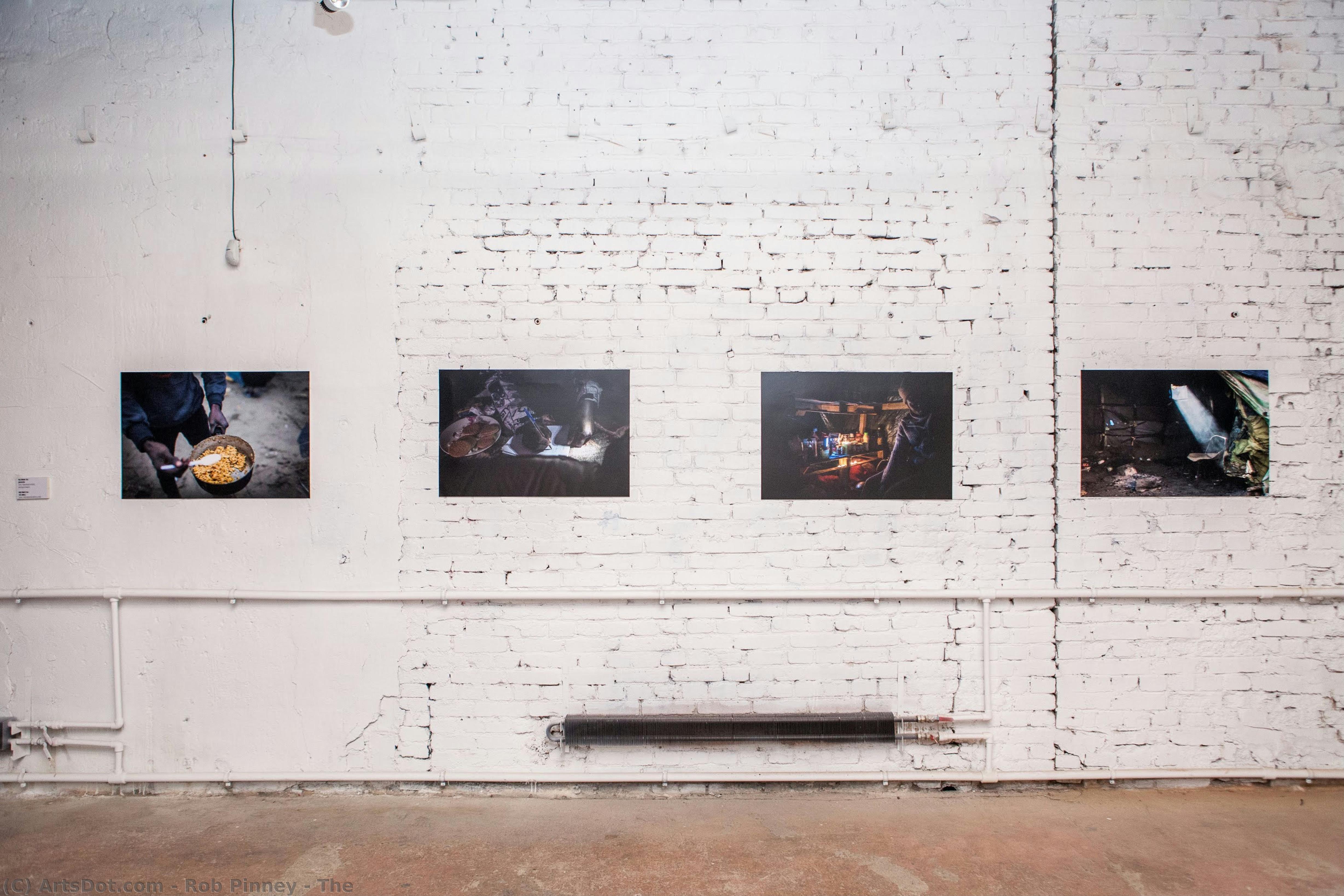
Pinney’s breakthrough came with his extensive coverage of the “Calais Jungle,” the sprawling makeshift camp housing thousands of refugees and migrants attempting to reach Europe. This project, spanning several years, offered an unflinching portrait of a desperate situation – a landscape of tents, uncertainty, and bureaucratic indifference. His photographs weren't simply images of suffering; they captured moments of quiet dignity, familial bonds amidst chaos, and the fierce determination of individuals seeking a better life.
The “Call Me By My Name” series, born from this experience, is particularly powerful. It’s not just about documenting the physical conditions of the camp but also about giving voice to the individual stories behind the faces – tracing journeys through war, persecution, and economic hardship. Pinney's work in Calais challenged conventional notions of “refugee,” revealing a diverse group of people with complex histories and aspirations. He actively sought out personal narratives, often spending weeks or months embedded within the community, building relationships that allowed him to capture authentic moments of vulnerability and strength.
Following Calais, Pinney’s work has continued to focus on areas grappling with conflict and displacement. He's documented the Syrian refugee crisis in Lebanon, explored the realities of migration in Europe, and reported from war-torn regions across Africa and the Middle East. His approach remains consistent: a commitment to ethical storytelling, prioritizing human connection over sensationalism.
Pinney’s photographic style is characterized by its raw honesty and understated power. He avoids overly dramatic compositions or exploitative imagery, instead favoring natural light and intimate framing that draws the viewer into the scene. His photographs are often imbued with a sense of melancholy but also resilience – reflecting the enduring spirit of those who have been forced to flee their homes.
While deeply committed to human-centered storytelling, Pinney’s technical skills are undeniable. He's adept at capturing fleeting moments of emotion and conveying complex narratives through simple compositions. His work demonstrates a keen understanding of light, shadow, and perspective – elements that contribute to the emotional impact of his images.
Pinney has also explored the ethical considerations surrounding photojournalism, particularly in relation to conflict zones. He’s engaged in critical discussions about the responsibility of photographers to represent marginalized communities accurately and avoid perpetuating harmful stereotypes. His work with Al Jazeera's "Listening Post" program highlighted the complexities of portraying war and its impact on individuals, urging a more nuanced approach than simply depicting violence.
Rob Pinney’s photographs are not merely historical records; they are powerful reminders of the human cost of conflict and displacement. His work has contributed significantly to raising awareness about humanitarian crises and challenging dominant narratives surrounding migration and refugees. As global instability continues, Pinney's commitment to documenting these realities ensures that his images will remain vital tools for understanding and empathy.

United Kingdom


최신 미술 뉴스, 특별 혜택 및 인테리어 아이디어를 가장 먼저 만나보세요.
프로젝트에 대해 알려주시면 저희 미술 전문가들이 맞춤형 아트 제안 3가지를 전달해 드립니다.
당신만을 위한 맞춤형 옵션 3가지를 무료로 추천해 드립니다!
 작품 구매하기
 공유하기
공유하기 공유하기
공유하기
 상세 정보
상세 정보

 다운로드
다운로드
 유사 작품
유사 작품 X-레이
X-레이 슬라이드 쇼

 더 보기
더 보기






































 유리 옵션은 110cm 미만 크기에서만 선택 가능합니다.


