
빠른 제작과 다양한 마감 옵션을 제공하는 박물관 품질의 지클레이 또는 캔버스 프린트. ( 손으로 그린 그림 구매 디지털 이미지로 전환)





























작품의 원본 비율을 유지하는 미리 설정된 크기 중에서 선택하세요.

특정 프레임이나 공간에 맞춰 직접 치수를 입력하실 수 있습니다. 선택하신 사이즈가 원본 이미지의 비율과 일치하지 않을 경우, 작품을 크롭(자르기)하거나 이미지를 대칭 또는 단색 채우기로 확장하여 제작합니다. 제작 시작 전, 최종 확인을 위해 디지털 목업이 전송됩니다.
화면상의 미리보기는 실제 크롭이나 확장 상태를 반영하지 않으므로, 최종 구도는 오직 목업을 통해서만 정확하게 확인하실 수 있습니다.
맞춤 사이즈 제작도 가능하지만, 원본 비율을 유지하기 위해서는 사전 정의된 목록에서 치수를 선택하시는 것을 권장합니다.

Ecce Homo
복제본 크기
Guido Reni’s “Ecce Homo,” painted in 1639, is more than just a depiction of a biblical scene; it's a profound meditation on human suffering and divine judgment. Executed during a pivotal moment in the Counter-Reformation, this monochrome masterpiece embodies the Baroque aesthetic’s emphasis on emotional intensity and dramatic realism. The painting portrays Jesus Christ – “Ecce Homo,” Latin for "Behold the Man” – presented to the crowd by Pontius Pilate, a scene laden with theological and psychological weight.
Guido Reni (1575-1642), born in Bologna, was a key figure in the transition from Mannerism to Baroque painting. His early training under Denis Calvaert exposed him to Flemish influences, particularly in anatomical detail and dramatic lighting. However, Reni quickly surpassed his teacher, developing a distinctly classical style marked by its elegance, refined technique, and profound understanding of human emotion. He was part of a group of artists who sought to revive the ideals of classical art, emphasizing harmony, proportion, and idealized beauty – qualities that resonated deeply with the Catholic Church during this period.
“Ecce Homo” is rich in symbolic meaning. Jesus' open eyes, gazing upwards, convey a sense of acceptance and resignation – he understands his fate. The thorns on his crown represent suffering and humiliation, while the cross symbolizes sacrifice and redemption. The surrounding figures, though largely indistinct, represent the indifferent crowd, highlighting humanity’s failure to recognize Christ’s divinity. Reni's ability to capture such raw emotion is remarkable; it invites viewers to contemplate themes of faith, guilt, and forgiveness.
WahooArt.com is proud to offer meticulously crafted hand-painted reproductions of Guido Reni's “Ecce Homo.” Each reproduction captures the essence of this iconic artwork, faithfully recreating Reni’s masterful technique and profound emotional depth. Whether you are an art collector seeking a significant addition to your collection or an interior designer looking for a statement piece that evokes contemplation and reverence, our hand-painted reproductions provide an unparalleled opportunity to experience the power and beauty of this timeless masterpiece. Own a piece of art history – order your “Ecce Homo” reproduction today.

귀도 레니(Guido Reni), 흔히 르 귀드(Le Guide)로 알려진 그는 1575년 이탈리아 볼로냐에서 태어났습니다. 음악가 다니엘레 레니와 역시 음악 가문 출신의 지네브라 포찌 사이의 외동아들로, 조화와 형태에 대한 감각은 후일 그의 예술적 스타일에 큰 영향을 미쳤습니다. 아홉 살이라는 어린 나이에 귀도는 볼로냐에서 활동하던 플랑드르 화가 드니스 칼바르트(Denis Calvaert)에게 견습생으로 들어가 교육을 받기 시작했습니다. 그는 알바니와 도메니코와 함께 공부하며 고전주의 원칙에 대한 탄탄한 기초를 다졌습니다.
레니의 예술 경력은 로마, 나폴리, 그리고 그의 고향 볼로냐 등 여러 이탈리아 도시를 아우렀습니다. 초기 작품에서는 칼바르트와 카라치 형제의 영향을 받아 해부학적 정확성과 극적인 구성을 강조했습니다. 그러나 레니는 곧 우아한 고전주의, 정교한 기법, 그리고 강렬한 감정 표현을 특징으로 하는 독특한 스타일을 발전시켰습니다. 그는 학문적 훈련과 이상화된 형태를 중시하는 볼로냐 학파의 대표적인 인물이 되었습니다.
레니의 작품 세계는 종교적 장면, 신화 이야기, 그리고 상징적인 표현을 폭넓게 아우릅니다. 그의 가장 유명한 작품 중 일부는 다음과 같습니다.
레니의 스타일은 종종 절충적인 고전주의로 묘사됩니다. 그는 고전 예술의 정밀함과 바로크 시대의 역동성과 감정을 결합했습니다. 그의 인물들은 일반적으로 이상화되어 있으며, 평온한 아름다움과 우아한 움직임을 지니고 있습니다.
귀도 레니는 이탈리아 고바로크 스타일의 발전에 중요한 역할을 했습니다. 그는 정교한 기법, 우아한 구성, 그리고 감정적 깊이로 여러 세대의 예술가들에게 영향을 미쳤습니다. 그의 작품은 나폴리의 카포디몬테 궁전을 비롯하여 전 세계 주요 박물관에서 찾아볼 수 있습니다. 레니의 유산은 회화에만 국한되지 않습니다. 그는 당대 존경받는 지식인으로도 활동했습니다.
그의 예술은 오늘날에도 예술가와 예술 애호가들에게 영감을 주고 있으며, 17세기 가장 중요한 화가 중 한 사람으로서 그의 입지를 확고히 하고 있습니다. 그의 영향력은 우아함과 감정적 힘을 모방하려는 후대 바로크 예술가들에서 확인할 수 있습니다.
귀도 레니는 1642년 볼로냐에서 세상을 떠났으며, 수세기 동안 관객들을 사로잡는 풍부한 예술적 유산을 남겼습니다.

1575 - 1642 , 대한민국

Explore the dramatic world of Baroque art! Discover iconic artists like Caravaggio & Rubens, defining techniques, and its lasting impact on art history. Expert insights for collectors & enthusiasts at WahooArt.

Explore the dramatic world of Baroque art! Discover iconic masters like Caravaggio & Rembrandt, their techniques, and the movement's lasting impact. Expert insights for collectors & enthusiasts at WahooArt.
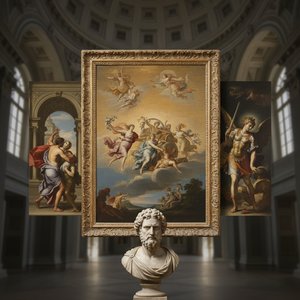
Explore the life & work of Guido Reni, a master of Baroque classicism. Discover his iconic religious & mythological paintings, and understand his enduring influence on art history. Expert analysis for collectors.
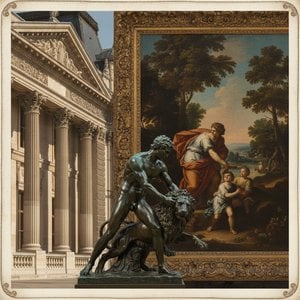
Explore the profound elegance of Baroque Classicism. Discover how 17th-century masters synthesized dramatic emotion with classical order through the lens of the Counter-Reformation and the works of legends like Carlo Maratta and Andrea Sacchi.
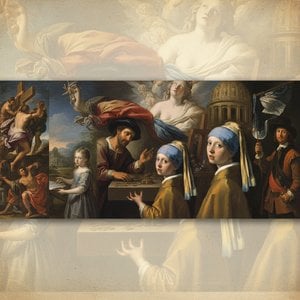
화려함과 극적인 표현이 압권! 바로크 미술을 대표하는 10대 걸작의 숨겨진 이야기를 만나보세요. 베르니니, 루벤스 등 거장의 작품부터 바로크 색감, 예술적 기법까지 – WahooArt.com에서 명품 복제 & 인테리어 영감을 얻으세요! 지금 바로 컬렉션을 탐험해보세요.


 미리보기
미리보기
 공유하기
공유하기 공유하기
공유하기
 상세 정보
상세 정보

 다운로드
다운로드
 유사 작품
유사 작품 X-레이
X-레이 슬라이드 쇼
 통계 정보
통계 정보


 더 보기
더 보기









 유리 옵션은 110cm 미만 크기에서만 선택 가능합니다.


