x


 Oil On CanvasWallArtSurrealism
 1929Early Medieval
 41.0 x 27.0 cm
빠른 제작과 다양한 마감 옵션을 제공하는 박물관 품질의 지클레이 또는 캔버스 프린트. ( 손으로 그린 그림 구매 이미지 구매)





























작품의 원본 비율을 유지하는 미리 설정된 크기 중에서 선택하세요.

특정 프레임이나 공간에 맞춰 직접 치수를 입력하실 수 있습니다. 선택하신 사이즈가 원본 이미지의 비율과 일치하지 않을 경우, 작품을 크롭(자르기)하거나 이미지를 대칭 또는 단색 채우기로 확장하여 제작합니다. 제작 시작 전, 최종 확인을 위해 디지털 목업이 전송됩니다.
화면상의 미리보기는 실제 크롭이나 확장 상태를 반영하지 않으므로, 최종 구도는 오직 목업을 통해서만 정확하게 확인하실 수 있습니다.
맞춤 사이즈 제작도 가능하지만, 원본 비율을 유지하기 위해서는 사전 정의된 목록에서 치수를 선택하시는 것을 권장합니다.

The tree of knowledge
복제본 크기
René Magritte's "The Tree of Knowledge," painted in 1929, isn’t merely a depiction of an image; it’s a carefully constructed invitation into the realm of dreams and the unsettling beauty of the subconscious. This seminal work from the heart of Surrealism embodies Magritte’s signature style – a deliberate disruption of reality designed to provoke contemplation and challenge our assumptions about perception. The painting immediately arrests the eye with its stark simplicity: a hazy, amorphous white form dominates the canvas, resembling both a cloud and a vaguely human silhouette. Within this ethereal shape reside two enigmatic words, “sabre” (sword) and “cheval” (horse), rendered in bold black lettering, creating an immediate tension between the familiar and the utterly bizarre.
The painting’s foundation is a muted blue background, subtly layered to suggest depth without relying on traditional perspective. Beneath this, a cylindrical grey form anchors the composition, providing a grounding element that contrasts sharply with the floating, dreamlike quality of the central figure. This juxtaposition—the solid and the ephemeral—is characteristic of Magritte's approach: he frequently placed ordinary objects within illogical contexts to expose the inherent strangeness of our visual experience. The deliberate lack of detail, the smooth, almost porcelain-like texture of the forms, contributes to a sense of detachment, as if we’re observing a scene from a half-remembered dream.
“The Tree of Knowledge” is rich with symbolic resonance, drawing heavily on the biblical narrative of Adam and Eve. The painting directly references the “Tree of Knowledge of Good and Evil,” a central motif in Genesis, representing the forbidden fruit that led to humanity’s expulsion from paradise. However, Magritte doesn't offer a straightforward illustration; instead, he presents a fragmented, abstracted version of this foundational myth. The words "sabre" and "cheval," seemingly unrelated, can be interpreted as symbols of power (the sword) and movement/warfare (the horse), suggesting the consequences of transgression – conflict, loss, and the inherent duality within human nature.
Interestingly, Magritte’s work also echoes ancient myths surrounding the tree of knowledge in other cultures. As research reveals, scholars have proposed various interpretations, including associations with wisdom, sexuality, or even a representation of the fundamental elements of existence – matter, life, mind and culture. The painting's ambiguity deliberately resists a single, definitive meaning, inviting viewers to project their own experiences and anxieties onto the scene.
Magritte’s masterful execution lies in his meticulous attention to detail despite the overall dreamlike quality of the work. “The Tree of Knowledge” was likely created using oil paint on canvas, a medium that allowed him to achieve the smooth, almost polished surfaces characteristic of his style. The absence of visible brushstrokes—no impasto or textural variation—further enhances the painting’s unsettling effect, creating an illusion of perfect stillness and timelessness. This technique contributes to the feeling that we are witnessing a frozen moment in a surreal landscape.
The color palette is deliberately restrained – primarily blues, whites, blacks, and grays – reinforcing the sense of detachment and emphasizing the painting’s symbolic weight. The muted tones create an atmosphere of quiet contemplation, inviting viewers to linger and ponder the hidden meanings within the composition. It's a testament to Magritte's ability to evoke profound emotion through deceptively simple means.
“The Tree of Knowledge” stands as a cornerstone of Surrealism, embodying the movement’s core principles of challenging conventional reality and exploring the depths of the unconscious mind. Magritte's work continues to resonate with audiences today because it taps into universal anxieties about knowledge, morality, and the limitations of human perception. The painting’s enduring appeal lies in its ability to simultaneously fascinate and unsettle, prompting us to question our own assumptions about the world around us. Reproductions of this iconic artwork offer a tangible connection to one of the 20th century's most influential artists – a portal into a world where logic yields to imagination.

René Magritte는 벨기에 레센네스에서 1898년 11월 21일에 태어났습니다. 그의 어린 시절은 충격적인 사건으로 시작되었습니다. 바로 어머니의 자살이었는데, 그는 열세 살 때였습니다. 그녀의 시체가 세브레 강에 발견되었고 그녀의 드레스가 얼굴을 가리는 모습이 눈앞에 펼쳐졌습니다. 이 초기의 트라우마는 그에게 미스터리함과 상실감 그리고 우리가 보지 못하는 힘에 대한 매혹감을 심어주었습니다. 그의 어린 시절에 대한 자세한 정보는 아직 명확하게 밝혀지지 않았지만 그는 삶 전체를 질문하는 방식으로 끊임없이 탐구하며 예술적 비전을 형성했습니다. 그는 열 살 때 그림 레슨을 시작했는데 이는 그에게 시각적 표현에 대한 타고난 기질을 드러냈습니다. 하지만 처음에는 인상주의로 탐구했지만 이후 그의 예술 경로는 서양 미술의 주요 인물 중 한 명으로 나아가기 위해 독특한 길을 택했습니다.
마그리트는 예술적 여정이 즉각적이고 간단하지 않았습니다. 그는 브뤼셀 왕립 미술 아카데미에서 공부했지만 전통적인 방법은 그에게 답답함을 안겨주었습니다. 그의 초기 작품은 미래주의와 입체주의를 실험했는데 이 두 현대 미술 운동의 형식을 흡수했지만 형식적인 우려에 대한 관심이 부족했습니다. 그는 1922년 지오르지오 드 치리코의 그림 *사랑의 노래*를 만나면서 새로운 시각을 발견했습니다. 드 치리코의 꿈 같은 풍경과 혼란스러운 대립은 마그리트에게 익숙한 것이 이상하게 변하고 평범함이 깊은 미스터리로 가득 차는 세계로 이끌었습니다. 이 만남은 그가 초현실주의에 대한 약속을 깨고 그의 동료 예술가들보다 더 자유로운 방식으로 탐구하는 것을 촉발했습니다. 그는 초현실주의의 심리적 또는 자동적인 접근 방식과 같은 방법으로 무의식 탐구를 추구하지 않았습니다.
1926년 마그리트는 초현실주의 원칙을 완전히 받아들였고 *로스트 조커*를 제작했는데 이 작품은 광범위하게 그의 첫 번째 진정한 초현실주의 작품으로 여겨집니다. 그러나 그의 초현실주의는 독특했습니다. 그는 미래주의와 같은 다른 예술가들의 방식과 달리 무의식 탐구에 대한 자유 연관이나 꿈 이미지 사용에 관심이 없었습니다. 대신 마그리트는 일반적인 물건을 예상치 못한 맥락에서 제시하여 관객에게 세계에 대한 가정에 대해 질문하도록 강요하는 방식으로 현실에 도전했습니다. 그는 초현실주의의 핵심은 이처럼 관객에게 새로운 시각을 제공하고 예술이 생각과 경외심을 불러일으키는 능력을 인정하는 것입니다.
마그리트는 초현실주의 원칙에 대한 약속을 깨고 *사랑의 노래*를 제작했는데 이 작품은 광범위하게 그의 첫 번째 진정한 초현실주의 작품으로 여겨집니다. 그는 미래주의와 같은 다른 예술가들의 방식과 달리 무의식 탐구에 대한 자유 연관이나 꿈 이미지 사용에 관심이 없었습니다. 대신 마그리트는 일반적인 물건을 예상치 못한 맥락에서 제시하여 관객에게 세계에 대한 가정에 대해 질문하도록 강요하는 방식으로 현실에 도전했습니다. 그는 초현실주의의 핵심은 이처럼 관객에게 새로운 시각을 제공하고 예술이 생각과 경외심을 불러일으키는 능력을 인정하는 것입니다.
마그리트는 초기 작품에서 미래주의와 입체주의를 실험했는데 이 두 현대 미술 운동의 형식을 흡수했지만 형식적인 우려에 대한 관심이 부족했습니다. 그는 초현실주의의 심리적 또는 자동적인 접근 방식과 같은 방법으로 무의식 탐구에 대한 자유 연관이나 꿈 이미지 사용에 관심이 없었습니다. 대신 마그리트는 일반적인 물건을 예상치 못한 맥락에서 제시하여 관객에게 세계에 대한 가정에 대해 질문하도록 강요하는 방식으로 현실에 도전했습니다. 그는 초현실주의의 핵심은 이처럼 관객에게 새로운 시각을 제공하고 예술이 생각과 경외심을 불러일으키는 능력을 인정하는 것입니다.

1898 - 1967 , 벨기에

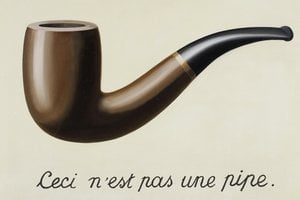
Delve into the profound mysteries of René Magritte’s Surrealism. Explore an expert analysis of 'The Treachery of Images,' decoding the philosophical paradoxes and visual subversions that redefined modern art history for collectors and connoisseurs alike.

Embark on a journey through the subconscious with our expert guide to Surrealism. Discover the profound symbolism of masters like Dalí and Ernst, exploring how dreamlike imagery reshaped art history and continues to inspire collectors and enthusiasts worldwide.


최신 미술 뉴스, 특별 혜택 및 인테리어 아이디어를 가장 먼저 만나보세요.
프로젝트에 대해 알려주시면 저희 미술 전문가들이 맞춤형 아트 제안 3가지를 전달해 드립니다.
당신만을 위한 맞춤형 옵션 3가지를 무료로 추천해 드립니다!


 미리보기
미리보기
 공유하기
공유하기 공유하기
공유하기
 상세 정보
상세 정보

 다운로드
다운로드
 유사 작품
유사 작품 X-레이
X-레이 슬라이드 쇼
 더 보기
더 보기









 유리 옵션은 110cm 미만 크기에서만 선택 가능합니다.