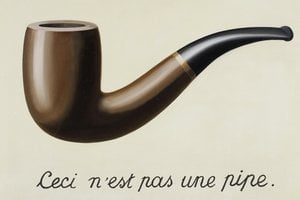
GouacheWallArtSurrealism
 1948Modern
 50.0 x 84.0 cm
빠른 제작과 다양한 마감 옵션을 제공하는 박물관 품질의 지클레이 또는 캔버스 프린트. ( 손으로 그린 그림 구매 디지털 이미지로 전환)





























작품의 원본 비율을 유지하는 미리 설정된 크기 중에서 선택하세요.

특정 프레임이나 공간에 맞춰 직접 치수를 입력하실 수 있습니다. 선택하신 사이즈가 원본 이미지의 비율과 일치하지 않을 경우, 작품을 크롭(자르기)하거나 이미지를 대칭 또는 단색 채우기로 확장하여 제작합니다. 제작 시작 전, 최종 확인을 위해 디지털 목업이 전송됩니다.
화면상의 미리보기는 실제 크롭이나 확장 상태를 반영하지 않으므로, 최종 구도는 오직 목업을 통해서만 정확하게 확인하실 수 있습니다.
맞춤 사이즈 제작도 가능하지만, 원본 비율을 유지하기 위해서는 사전 정의된 목록에서 치수를 선택하시는 것을 권장합니다.

The lost jockey
복제본 크기
In the quiet, frost-bitten expanse of René Magritte’s The Lost Jockey, the boundaries between the familiar and the impossible begin to dissolve. Created in 1948, this masterpiece serves as a profound window into the surrealist psyche, where the logic of the waking world is suspended in favor of a dreamlike stillness. At first glance, the viewer encounters a scene of stark beauty: a jockey mounted upon his horse, navigating a landscape blanketed in pristine snow, flanked by the skeletal silhouettes of trees. Yet, there is an unmistakable tension beneath this wintry tranquility. The placement of such a dynamic, sporting figure within this desolate, frozen environment creates a sense of profound disorientation, inviting us to question why this rider has wandered so far from the racetrack and into the heart of a silent, snowy wilderness.
Magritte’s technical mastery is on full display through his meticulous use of gouache on canvas. This medium allows for a remarkable precision that defines the sharp edges of the horse's musculature and the intricate details of the jockey’s attire, while simultaneously providing a soft, matte texture that enhances the ethereal atmosphere of the falling snow. The artist employs a palette that balances the cold, biting whites and blues of the winter landscape with more grounded, earthy tones, creating a visual depth that draws the eye toward the central figures. This juxtaposition of sharp detail and atmospheric haze is a hallmark of Magritte’s ability to make the impossible feel tangibly real, a quality that makes this piece an irresistible focal point for any sophisticated collection.
To understand The Lost Jockey, one must delve into the philosophical currents of Surrealism that Magritte so expertly navigated. Influenced by the psychoanalytic theories of Sigmund Freud, the movement sought to unearth the truths hidden within the unconscious mind. In this painting, the "lost" nature of the jockey serves as a potent metaphor for the human condition—the feeling of being adrift in a world that no longer adheres to known rules. The snow acts not just as a seasonal element, but as a shroud, a white veil that obscures the path and muffles sound, much like the way our subconscious can obscure our true perceptions. The trees, standing like silent sentinels in the background, add to this sense of isolation and mystery, suggesting a world that is watching yet remains unreachable.
For the discerning collector or interior designer, this artwork offers more than mere decoration; it provides an intellectual and emotional anchor. Its ability to provoke thought and conversation makes it a perfect centerpiece for spaces designed for contemplation, such as a private study, a minimalist gallery, or a modern living salon. The painting’s unique composition—centering the action while surrounding it with vast, empty space—creates a rhythmic balance that can breathe life into a room, offering a sense of quiet drama and timeless elegance. Owning a high-quality reproduction of this work is an invitation to live alongside one of art history's most enduring enigmas, bringing the haunting beauty of Magritte’s vision into the contemporary home.

René Magritte는 벨기에 레센네스에서 1898년 11월 21일에 태어났습니다. 그의 어린 시절은 충격적인 사건으로 시작되었습니다. 바로 어머니의 자살이었는데, 그는 열세 살 때였습니다. 그녀의 시체가 세브레 강에 발견되었고 그녀의 드레스가 얼굴을 가리는 모습이 눈앞에 펼쳐졌습니다. 이 초기의 트라우마는 그에게 미스터리함과 상실감 그리고 우리가 보지 못하는 힘에 대한 매혹감을 심어주었습니다. 그의 어린 시절에 대한 자세한 정보는 아직 명확하게 밝혀지지 않았지만 그는 삶 전체를 질문하는 방식으로 끊임없이 탐구하며 예술적 비전을 형성했습니다. 그는 열 살 때 그림 레슨을 시작했는데 이는 그에게 시각적 표현에 대한 타고난 기질을 드러냈습니다. 하지만 처음에는 인상주의로 탐구했지만 이후 그의 예술 경로는 서양 미술의 주요 인물 중 한 명으로 나아가기 위해 독특한 길을 택했습니다.
마그리트는 예술적 여정이 즉각적이고 간단하지 않았습니다. 그는 브뤼셀 왕립 미술 아카데미에서 공부했지만 전통적인 방법은 그에게 답답함을 안겨주었습니다. 그의 초기 작품은 미래주의와 입체주의를 실험했는데 이 두 현대 미술 운동의 형식을 흡수했지만 형식적인 우려에 대한 관심이 부족했습니다. 그는 1922년 지오르지오 드 치리코의 그림 *사랑의 노래*를 만나면서 새로운 시각을 발견했습니다. 드 치리코의 꿈 같은 풍경과 혼란스러운 대립은 마그리트에게 익숙한 것이 이상하게 변하고 평범함이 깊은 미스터리로 가득 차는 세계로 이끌었습니다. 이 만남은 그가 초현실주의에 대한 약속을 깨고 그의 동료 예술가들보다 더 자유로운 방식으로 탐구하는 것을 촉발했습니다. 그는 초현실주의의 심리적 또는 자동적인 접근 방식과 같은 방법으로 무의식 탐구를 추구하지 않았습니다.
1926년 마그리트는 초현실주의 원칙을 완전히 받아들였고 *로스트 조커*를 제작했는데 이 작품은 광범위하게 그의 첫 번째 진정한 초현실주의 작품으로 여겨집니다. 그러나 그의 초현실주의는 독특했습니다. 그는 미래주의와 같은 다른 예술가들의 방식과 달리 무의식 탐구에 대한 자유 연관이나 꿈 이미지 사용에 관심이 없었습니다. 대신 마그리트는 일반적인 물건을 예상치 못한 맥락에서 제시하여 관객에게 세계에 대한 가정에 대해 질문하도록 강요하는 방식으로 현실에 도전했습니다. 그는 초현실주의의 핵심은 이처럼 관객에게 새로운 시각을 제공하고 예술이 생각과 경외심을 불러일으키는 능력을 인정하는 것입니다.
마그리트는 초현실주의 원칙에 대한 약속을 깨고 *사랑의 노래*를 제작했는데 이 작품은 광범위하게 그의 첫 번째 진정한 초현실주의 작품으로 여겨집니다. 그는 미래주의와 같은 다른 예술가들의 방식과 달리 무의식 탐구에 대한 자유 연관이나 꿈 이미지 사용에 관심이 없었습니다. 대신 마그리트는 일반적인 물건을 예상치 못한 맥락에서 제시하여 관객에게 세계에 대한 가정에 대해 질문하도록 강요하는 방식으로 현실에 도전했습니다. 그는 초현실주의의 핵심은 이처럼 관객에게 새로운 시각을 제공하고 예술이 생각과 경외심을 불러일으키는 능력을 인정하는 것입니다.
마그리트는 초기 작품에서 미래주의와 입체주의를 실험했는데 이 두 현대 미술 운동의 형식을 흡수했지만 형식적인 우려에 대한 관심이 부족했습니다. 그는 초현실주의의 심리적 또는 자동적인 접근 방식과 같은 방법으로 무의식 탐구에 대한 자유 연관이나 꿈 이미지 사용에 관심이 없었습니다. 대신 마그리트는 일반적인 물건을 예상치 못한 맥락에서 제시하여 관객에게 세계에 대한 가정에 대해 질문하도록 강요하는 방식으로 현실에 도전했습니다. 그는 초현실주의의 핵심은 이처럼 관객에게 새로운 시각을 제공하고 예술이 생각과 경외심을 불러일으키는 능력을 인정하는 것입니다.

1898 - 1967 , 벨기에

Step into a dreamscape of iconic Surrealist masterpieces. From Dali to Magritte, explore the stories behind the world's most famous artworks and find museum-quality reproductions for your home. Discover all masterpieces on WahooArt.com.
Step into a world of dreams with our curated guide to 10 iconic surrealist masterpieces. From Dali to Magritte, explore the stories and techniques behind these timeless works. Find museum-quality art reproductions and decor inspiration at WahooArt.com. Explore the full collection online.

Step into a dreamscape of iconic Surrealist paintings. From Dali to Magritte, explore the stories behind 10 timeless masterpieces. Find museum-quality art reproductions and curated decor inspiration for your space. Discover all masterpieces on WahooArt.com.
Step into the enigmatic world of René Magritte. Explore 25 iconic Surrealist masterpieces, uncovering the stories behind his dreamlike imagery and mysterious techniques. Find museum-quality art reproductions and decor inspiration. Discover all masterpieces on WahooArt.com.

Step into a dreamscape of Surrealism. Uncover the stories behind 10 iconic masterpieces by legends like Salvador Dalí and René Magritte. Find museum-quality art reproductions and curated decor inspiration to transform your space. Discover all masterpieces on WahooArt.com.


 미리보기
미리보기
 공유하기
공유하기 공유하기
공유하기
 상세 정보
상세 정보

 다운로드
다운로드
 유사 작품
유사 작품 X-레이
X-레이 슬라이드 쇼
 통계 정보
통계 정보 더 보기
더 보기









 유리 옵션은 110cm 미만 크기에서만 선택 가능합니다.