
원하는 크기와 액자로 주문 제작되는, 작가들이 직접 캔버스에 손으로 그린 유화 작품입니다. ( 프린트 판매로 전환 디지털 이미지로 전환)





























작품의 원본 비율을 유지하는 미리 설정된 크기 중에서 선택하세요.

특정 프레임이나 공간에 맞도록 직접 크기를 입력할 수 있습니다. 선택하신 크기가 원본 이미지의 비율과 일치하지 않는 경우, 작품을 자르거나 추가적인 손으로 그린 요소를 사용하여 그림을 확장합니다. 제작 시작 전 승인을 위해 디지털 목업을 보내드립니다.
화면 미리 보기는 실제 자르기 또는 확장을 반영하지 않습니다. 최종 구성은 목업을 통해서만 정확하게 확인하실 수 있습니다.
맞춤 크기 제작도 가능하지만, 원본 비율을 유지하기 위해 사전 정의된 목록에서 크기를 선택하시는 것을 권장합니다.

Le domaine d'arnheim
복제본 크기
René Magritte’s “Le Domaine d’Arnheim,” painted in 1962, stands as a quintessential example of surrealist art—a deceptively simple composition brimming with layered symbolism and intellectual provocation. More than just a landscape depiction, it is an invitation to contemplate the elusive nature of reality itself. The piece draws profound inspiration from Edgar Allan Poe’s haunting tale, “The Domain of Arnheim,” which explores themes of idealized beauty and the inherent impossibility of achieving perfection. In this visual dialogue, Magritte translates literary melancholy into a silent, breathtaking landscape that lingers in the mind long after the first glance.
The painting presents a mountain range dominated by a solitary eagle perched atop a rocky outcrop, set against a sky where a moon hangs with quiet authority. Below this majestic scene lies an egg nestled on the ground, symbolizing potential and nascent life—a subtle mirror to the protagonist's ambition in Poe's story. The composition creates a sense of mystery and wonder, inviting viewers to step into a realm where the boundaries between reality and dream dissolve into a quiet, unsettling beauty.
Executed in gouache on paper, Magritte utilized a technique known for its opacity and ability to achieve rich, saturated colors. This medium allowed him to create a visual tension that is central to the work's emotional impact; the muted blues of the sky contrast sharply with the earthy, grounded tones of the mountain. His meticulous attention to detail is evident in the delicate rendering of the eagle’s feathers and the subtle, soft shading on the rock face, demonstrating a dedication to capturing an idealized, almost hyper-real vision.
Magritte’s mastery lies in his ability to use familiar objects in unexpected contexts. By placing these elements—the bird, the egg, the moon—within a landscape that feels both vast and claustrophobic, he provokes questions about the nature of representation. For collectors and interior designers, this piece offers a sophisticated focal point, bringing an intellectual depth to any space. It is not merely a decoration but a conversation starter, a window into the cerebral magic that Magritte perfected during his mature period.
Every element within Le Domaine d’Arnheim serves a symbolic purpose, weaving together a narrative of aspiration and limitation. The eagle, a symbol of majesty and vigilance, represents an unwavering determination; yet, its position atop the mountain suggests a ceiling to such greatness—it cannot ascend further, mirroring the futility of striving for unattainable perfection. This duality is what makes the work so profoundly moving, capturing the human struggle between our grandest dreams and our physical realities.
The presence of the egg adds a layer of poignant hope, suggesting that even within the limitations of existence, there is always the seed of something new. For those seeking to adorn their homes with art that inspires contemplation, this reproduction offers more than aesthetic pleasure; it provides an emotional anchor. It is a piece that embodies the "architect of ambiguity," making it an exquisite choice for those who appreciate art that challenges the eye and touches the soul.

René Magritte는 벨기에 레센네스에서 1898년 11월 21일에 태어났습니다. 그의 어린 시절은 충격적인 사건으로 시작되었습니다. 바로 어머니의 자살이었는데, 그는 열세 살 때였습니다. 그녀의 시체가 세브레 강에 발견되었고 그녀의 드레스가 얼굴을 가리는 모습이 눈앞에 펼쳐졌습니다. 이 초기의 트라우마는 그에게 미스터리함과 상실감 그리고 우리가 보지 못하는 힘에 대한 매혹감을 심어주었습니다. 그의 어린 시절에 대한 자세한 정보는 아직 명확하게 밝혀지지 않았지만 그는 삶 전체를 질문하는 방식으로 끊임없이 탐구하며 예술적 비전을 형성했습니다. 그는 열 살 때 그림 레슨을 시작했는데 이는 그에게 시각적 표현에 대한 타고난 기질을 드러냈습니다. 하지만 처음에는 인상주의로 탐구했지만 이후 그의 예술 경로는 서양 미술의 주요 인물 중 한 명으로 나아가기 위해 독특한 길을 택했습니다.
마그리트는 예술적 여정이 즉각적이고 간단하지 않았습니다. 그는 브뤼셀 왕립 미술 아카데미에서 공부했지만 전통적인 방법은 그에게 답답함을 안겨주었습니다. 그의 초기 작품은 미래주의와 입체주의를 실험했는데 이 두 현대 미술 운동의 형식을 흡수했지만 형식적인 우려에 대한 관심이 부족했습니다. 그는 1922년 지오르지오 드 치리코의 그림 *사랑의 노래*를 만나면서 새로운 시각을 발견했습니다. 드 치리코의 꿈 같은 풍경과 혼란스러운 대립은 마그리트에게 익숙한 것이 이상하게 변하고 평범함이 깊은 미스터리로 가득 차는 세계로 이끌었습니다. 이 만남은 그가 초현실주의에 대한 약속을 깨고 그의 동료 예술가들보다 더 자유로운 방식으로 탐구하는 것을 촉발했습니다. 그는 초현실주의의 심리적 또는 자동적인 접근 방식과 같은 방법으로 무의식 탐구를 추구하지 않았습니다.
1926년 마그리트는 초현실주의 원칙을 완전히 받아들였고 *로스트 조커*를 제작했는데 이 작품은 광범위하게 그의 첫 번째 진정한 초현실주의 작품으로 여겨집니다. 그러나 그의 초현실주의는 독특했습니다. 그는 미래주의와 같은 다른 예술가들의 방식과 달리 무의식 탐구에 대한 자유 연관이나 꿈 이미지 사용에 관심이 없었습니다. 대신 마그리트는 일반적인 물건을 예상치 못한 맥락에서 제시하여 관객에게 세계에 대한 가정에 대해 질문하도록 강요하는 방식으로 현실에 도전했습니다. 그는 초현실주의의 핵심은 이처럼 관객에게 새로운 시각을 제공하고 예술이 생각과 경외심을 불러일으키는 능력을 인정하는 것입니다.
마그리트는 초현실주의 원칙에 대한 약속을 깨고 *사랑의 노래*를 제작했는데 이 작품은 광범위하게 그의 첫 번째 진정한 초현실주의 작품으로 여겨집니다. 그는 미래주의와 같은 다른 예술가들의 방식과 달리 무의식 탐구에 대한 자유 연관이나 꿈 이미지 사용에 관심이 없었습니다. 대신 마그리트는 일반적인 물건을 예상치 못한 맥락에서 제시하여 관객에게 세계에 대한 가정에 대해 질문하도록 강요하는 방식으로 현실에 도전했습니다. 그는 초현실주의의 핵심은 이처럼 관객에게 새로운 시각을 제공하고 예술이 생각과 경외심을 불러일으키는 능력을 인정하는 것입니다.
마그리트는 초기 작품에서 미래주의와 입체주의를 실험했는데 이 두 현대 미술 운동의 형식을 흡수했지만 형식적인 우려에 대한 관심이 부족했습니다. 그는 초현실주의의 심리적 또는 자동적인 접근 방식과 같은 방법으로 무의식 탐구에 대한 자유 연관이나 꿈 이미지 사용에 관심이 없었습니다. 대신 마그리트는 일반적인 물건을 예상치 못한 맥락에서 제시하여 관객에게 세계에 대한 가정에 대해 질문하도록 강요하는 방식으로 현실에 도전했습니다. 그는 초현실주의의 핵심은 이처럼 관객에게 새로운 시각을 제공하고 예술이 생각과 경외심을 불러일으키는 능력을 인정하는 것입니다.

1898 - 1967 , 벨기에
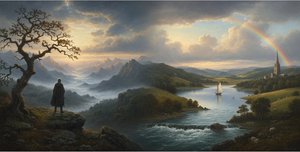
Journey through the sublime beauty of Romantic landscape paintings. Explore 10 iconic masterpieces, from Caspar David Friedrich to dramatic nature scenes, perfect for museum-quality decor. Discover the stories and techniques behind these timeless works on WahooArt.com.

Embark on a visual journey through 10 iconic mountain landscapes. From dramatic oil paintings to misty impressionist masterpieces, discover the stories and techniques behind these timeless peaks. Find museum-quality art reproductions for your decor. Explore the full collection online at WahooArt.com.

Journey through history with 10 iconic landscape paintings that capture the soul of nature. From Impressionist light to dramatic vistas, explore the stories behind these timeless masterpieces and find museum-quality reproductions for your decor. Discover all masterpieces on WahooArt.com

Journey through the sublime beauty of Romantic landscape painting. Explore 10 iconic masterpieces by legends like Friedrich and Turner that capture nature's raw emotion. Find museum-quality art reproductions for your decor. Discover all masterpieces on WahooArt.com.

Step into a dreamscape of iconic Surrealist masterpieces. From Dali to Magritte, explore the stories behind the world's most famous artworks and find museum-quality reproductions for your home. Discover all masterpieces on WahooArt.com.


 미리보기
미리보기
 공유하기
공유하기 공유하기
공유하기
 상세 정보
상세 정보

 다운로드
다운로드
 유사 작품
유사 작품 X-레이
X-레이 슬라이드 쇼
 통계 정보
통계 정보

 더 보기
더 보기









 유리 옵션은 110cm 미만 크기에서만 선택 가능합니다.





