Oil On CanvasWallArtSurrealist Dreamscape
 1948Modern
 69.0 x 49.0 cm
원하는 크기와 액자로 주문 제작되는, 작가들이 직접 캔버스에 손으로 그린 유화 작품입니다. ( 프린트 판매로 전환 디지털 이미지로 전환)





























작품의 원본 비율을 유지하는 미리 설정된 크기 중에서 선택하세요.

특정 프레임이나 공간에 맞도록 직접 크기를 입력할 수 있습니다. 선택하신 크기가 원본 이미지의 비율과 일치하지 않는 경우, 작품을 자르거나 추가적인 손으로 그린 요소를 사용하여 그림을 확장합니다. 제작 시작 전 승인을 위해 디지털 목업을 보내드립니다.
화면 미리 보기는 실제 자르기 또는 확장을 반영하지 않습니다. 최종 구성은 목업을 통해서만 정확하게 확인하실 수 있습니다.
맞춤 크기 제작도 가능하지만, 원본 비율을 유지하기 위해 사전 정의된 목록에서 크기를 선택하시는 것을 권장합니다.

Jean-Marie
복제본 크기
In the quiet, enigmatic world of René Magritte, reality is never quite what it seems. His 1948 masterpiece, Jean-Marie, serves as a profound window into this dreamlike dimension, inviting viewers to step away from the rational and enter a realm of psychological depth. At first glance, the painting presents a solitary figure—a man traversing a landscape with a bag slung across his back—yet beneath this simple composition lies a complex tapestry of thought. Magritte does not merely depict a traveler; he captures a moment of profound introspection, where the boundaries between the external world and the internal psyche begin to dissolve. For the collector or the lover of fine art, this piece offers more than visual interest; it provides a meditative gateway into the very essence of human consciousness.
The technical execution of Jean-Marie is a testament to Magritte’s mastery of oil painting, utilizing a meticulous application that achieves a velvety, almost tactile texture. While his subject matter leans toward the irrational, his technique possesses a refined clarity reminiscent of the Impressionists. He employs subtle gradations of color to build dimension, allowing the figure to emerge from the landscape with a striking presence. The most arresting element, however, is the expansive, luminous orange sky that dominates the upper portion of the canvas. This vibrant, unnatural hue creates a startling contrast against the more grounded tones of the man’ and the surrounding trees, immediately signaling to the viewer that they are witnessing a scene from a dream rather than a literal observation.
Every element within Magritte’s composition is heavy with symbolic weight, designed to provoke thought and challenge perception. The orange sky acts as a metaphor for an inner landscape—a vivid, emotional realm that remains hidden from the casual observer. Within this celestial glow, the presence of birds introduces a delicate tension; they may represent the soaring heights of aspiration and freedom, yet they are juxtaposed against the heavy, grounded reality of the man’s journey. The bag carried by the figure serves as a poignant symbol of the unseen burdens we all carry—the anxieties, memories, and unspoken thoughts that accompany us through life's transitions.
This interplay of symbols is deeply rooted in the historical context of Surrealism. Emerging from the ashes of Dadaism following the devastation of World War I, the Surrealist movement sought to liberate the human spirit from the constraints of logic and societal norms. Magritte, a central figure of this movement, used such imagery to tap into the irrational forces of the subconscious. For an interior designer or art enthusiast, incorporating a reproduction of Jean-Marie into a space brings a sense of intellectual curiosity and quiet drama. It is a piece that demands a second, third, and fourth look, rewarding the observer with new layers of meaning each time the eye wanders across its surrealist landscape.
Beyond its historical significance and technical brilliance, Jean-Marie possesses an emotional gravity that is uniquely suited for sophisticated modern interiors. The painting evokes a sense of stillness and solitude that can transform a room into a sanctuary of contemplation. It does not shout for attention with chaotic energy; instead, it whispers mysteries, inviting a quiet dialogue between the artwork and the viewer. Whether placed in a minimalist gallery setting or as a focal point in a richly textured study, the painting’s unique color palette—the warmth of the orange sky balanced by the cool blues of the figure's attire—adds a sophisticated layer of visual intrigue.
Owning a high-quality reproduction of this work allows one to possess a fragment of Magritte’s enduring legacy. It is an investment in atmosphere, providing a constant source of inspiration and a reminder that even in our most solitary moments, there is a vast, beautiful mystery waiting to be explored. For those seeking to curate a collection that speaks to the complexities of the human experience, Jean-Marie stands as an essential, timeless masterpiece.
René Magritte는 벨기에 레센네스에서 1898년 11월 21일에 태어났습니다. 그의 어린 시절은 충격적인 사건으로 시작되었습니다. 바로 어머니의 자살이었는데, 그는 열세 살 때였습니다. 그녀의 시체가 세브레 강에 발견되었고 그녀의 드레스가 얼굴을 가리는 모습이 눈앞에 펼쳐졌습니다. 이 초기의 트라우마는 그에게 미스터리함과 상실감 그리고 우리가 보지 못하는 힘에 대한 매혹감을 심어주었습니다. 그의 어린 시절에 대한 자세한 정보는 아직 명확하게 밝혀지지 않았지만 그는 삶 전체를 질문하는 방식으로 끊임없이 탐구하며 예술적 비전을 형성했습니다. 그는 열 살 때 그림 레슨을 시작했는데 이는 그에게 시각적 표현에 대한 타고난 기질을 드러냈습니다. 하지만 처음에는 인상주의로 탐구했지만 이후 그의 예술 경로는 서양 미술의 주요 인물 중 한 명으로 나아가기 위해 독특한 길을 택했습니다.
마그리트는 예술적 여정이 즉각적이고 간단하지 않았습니다. 그는 브뤼셀 왕립 미술 아카데미에서 공부했지만 전통적인 방법은 그에게 답답함을 안겨주었습니다. 그의 초기 작품은 미래주의와 입체주의를 실험했는데 이 두 현대 미술 운동의 형식을 흡수했지만 형식적인 우려에 대한 관심이 부족했습니다. 그는 1922년 지오르지오 드 치리코의 그림 *사랑의 노래*를 만나면서 새로운 시각을 발견했습니다. 드 치리코의 꿈 같은 풍경과 혼란스러운 대립은 마그리트에게 익숙한 것이 이상하게 변하고 평범함이 깊은 미스터리로 가득 차는 세계로 이끌었습니다. 이 만남은 그가 초현실주의에 대한 약속을 깨고 그의 동료 예술가들보다 더 자유로운 방식으로 탐구하는 것을 촉발했습니다. 그는 초현실주의의 심리적 또는 자동적인 접근 방식과 같은 방법으로 무의식 탐구를 추구하지 않았습니다.
1926년 마그리트는 초현실주의 원칙을 완전히 받아들였고 *로스트 조커*를 제작했는데 이 작품은 광범위하게 그의 첫 번째 진정한 초현실주의 작품으로 여겨집니다. 그러나 그의 초현실주의는 독특했습니다. 그는 미래주의와 같은 다른 예술가들의 방식과 달리 무의식 탐구에 대한 자유 연관이나 꿈 이미지 사용에 관심이 없었습니다. 대신 마그리트는 일반적인 물건을 예상치 못한 맥락에서 제시하여 관객에게 세계에 대한 가정에 대해 질문하도록 강요하는 방식으로 현실에 도전했습니다. 그는 초현실주의의 핵심은 이처럼 관객에게 새로운 시각을 제공하고 예술이 생각과 경외심을 불러일으키는 능력을 인정하는 것입니다.
마그리트는 초현실주의 원칙에 대한 약속을 깨고 *사랑의 노래*를 제작했는데 이 작품은 광범위하게 그의 첫 번째 진정한 초현실주의 작품으로 여겨집니다. 그는 미래주의와 같은 다른 예술가들의 방식과 달리 무의식 탐구에 대한 자유 연관이나 꿈 이미지 사용에 관심이 없었습니다. 대신 마그리트는 일반적인 물건을 예상치 못한 맥락에서 제시하여 관객에게 세계에 대한 가정에 대해 질문하도록 강요하는 방식으로 현실에 도전했습니다. 그는 초현실주의의 핵심은 이처럼 관객에게 새로운 시각을 제공하고 예술이 생각과 경외심을 불러일으키는 능력을 인정하는 것입니다.
마그리트는 초기 작품에서 미래주의와 입체주의를 실험했는데 이 두 현대 미술 운동의 형식을 흡수했지만 형식적인 우려에 대한 관심이 부족했습니다. 그는 초현실주의의 심리적 또는 자동적인 접근 방식과 같은 방법으로 무의식 탐구에 대한 자유 연관이나 꿈 이미지 사용에 관심이 없었습니다. 대신 마그리트는 일반적인 물건을 예상치 못한 맥락에서 제시하여 관객에게 세계에 대한 가정에 대해 질문하도록 강요하는 방식으로 현실에 도전했습니다. 그는 초현실주의의 핵심은 이처럼 관객에게 새로운 시각을 제공하고 예술이 생각과 경외심을 불러일으키는 능력을 인정하는 것입니다.

1898 - 1967 , 벨기에

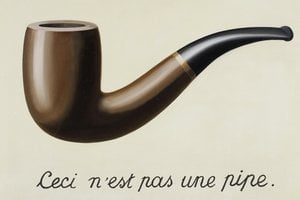
Delve into the profound mysteries of René Magritte’s Surrealism. Explore an expert analysis of 'The Treachery of Images,' decoding the philosophical paradoxes and visual subversions that redefined modern art history for collectors and connoisseurs alike.

Embark on a journey through the subconscious with our expert guide to Surrealism. Discover the profound symbolism of masters like Dalí and Ernst, exploring how dreamlike imagery reshaped art history and continues to inspire collectors and enthusiasts worldwide.

Embark on a sophisticated journey through the surrealist movement. Discover how masters like Dalí and Ernst blurred the lines between dreams and reality through innovative techniques, exploring the profound impact of the subconscious on fine art history with expert authority.


 미리보기
미리보기
 공유하기
공유하기 공유하기
공유하기
 상세 정보
상세 정보

 다운로드
다운로드
 유사 작품
유사 작품 X-레이
X-레이 슬라이드 쇼
 통계 정보
통계 정보 더 보기
더 보기









 유리 옵션은 110cm 미만 크기에서만 선택 가능합니다.