
 캔버스에 아크릴 물감월아트Baroque
 1638르네상스
 11.0 x 15.0 cm
 The Leiden Collection
빠른 제작과 다양한 마감 옵션을 제공하는 박물관 품질의 지클레이 또는 캔버스 프린트. ( 손으로 그린 그림 구매 디지털 이미지로 전환)





























작품의 원본 비율을 유지하는 미리 설정된 크기 중에서 선택하세요.

특정 프레임이나 공간에 맞춰 직접 치수를 입력하실 수 있습니다. 선택하신 사이즈가 원본 이미지의 비율과 일치하지 않을 경우, 작품을 크롭(자르기)하거나 이미지를 대칭 또는 단색 채우기로 확장하여 제작합니다. 제작 시작 전, 최종 확인을 위해 디지털 목업이 전송됩니다.
화면상의 미리보기는 실제 크롭이나 확장 상태를 반영하지 않으므로, 최종 구도는 오직 목업을 통해서만 정확하게 확인하실 수 있습니다.
맞춤 사이즈 제작도 가능하지만, 원본 비율을 유지하기 위해서는 사전 정의된 목록에서 치수를 선택하시는 것을 권장합니다.

Young Lion Resting
복제본 크기
Rembrandt Harmenszoon van Rijn, a name synonymous with the profound exploration of light and shadow, gifted the world with an astonishing array of works. Among these treasures stands "Young Lion Resting," a drawing executed in 1638 that transcends mere representation to become a meditation on power, vulnerability, and the very essence of observation. This piece, currently residing within The Leiden Collection in New York City, offers a captivating glimpse into Rembrandt’s artistic process and his profound understanding of animal anatomy and psychological depth – a rare combination rarely achieved with such exquisite sensitivity.
The drawing itself is deceptively simple: a young lion, captured mid-rest on a grassy patch. Yet, within this apparent stillness lies an astonishing wealth of detail. Rembrandt doesn’t simply depict the animal; he *reveals* it. The artist masterfully employs a limited palette – primarily charcoal and subtle washes of gray – to sculpt volume and texture with remarkable precision. Notice how the light catches the lion's fur, creating a shimmering effect that suggests both warmth and alertness. The careful layering of lines, from the broad strokes defining the muscular form to the delicate shading around the eyes, speaks volumes about Rembrandt’s meticulous approach and his deep respect for his subject.
To fully appreciate “Young Lion Resting,” it's crucial to understand the historical context in which it was created. The Netherlands during the 17th century, often referred to as the Dutch Golden Age, experienced an unprecedented flourishing of art, science, and commerce. Rembrandt, born in Leiden, benefited immensely from this vibrant cultural climate. He drew inspiration not only from the classical traditions inherited from the Renaissance but also from the works of Italian masters like Caravaggio, whose dramatic use of light and shadow profoundly influenced his own style. Furthermore, Rembrandt’s fascination with animals – a recurring theme throughout his oeuvre – stemmed partly from the presence of exotic creatures in the Dutch Republic, often brought back as trophies or curiosities from voyages to distant lands.
The lion itself held a particular significance for Rembrandt. These magnificent beasts were frequently depicted in art and literature, symbolizing strength, nobility, and even royal authority. Rembrandt’s numerous studies of lions – including the two housed at the British Museum and several others residing within The Leiden Collection – demonstrate his intense interest in capturing their essence. He wasn't simply sketching an animal; he was attempting to understand its spirit, its power, and its inherent dignity.
Beyond the technical brilliance of the drawing, “Young Lion Resting” is rich in symbolic meaning. The lion’s posture – relaxed yet alert, head turned slightly to the side – suggests a state of contemplative power. It's not a roaring beast ready for battle; rather, it’s an animal aware of its own strength and capable of both action and repose. The blurred background further emphasizes this sense of focused observation, inviting the viewer to share in the lion’s gaze and contemplate what lies beyond the frame.
Some art historians have suggested that the drawing may also represent a metaphor for human nature itself – a reminder that even the most powerful individuals are subject to moments of vulnerability and introspection. Rembrandt's ability to imbue this seemingly simple image with such profound psychological depth is what elevates “Young Lion Resting” beyond mere representation, transforming it into a timeless meditation on life, power, and the beauty of observation.
Today, reproductions of "Young Lion Resting" are readily available, offering art enthusiasts and collectors alike the opportunity to experience this masterpiece firsthand. When selecting a reproduction, consider the quality of materials used – archival paper and pigment inks will ensure that the colors remain vibrant for generations to come. Furthermore, pay attention to the level of detail; a high-quality print will faithfully capture Rembrandt’s meticulous rendering of light and shadow, allowing you to appreciate the full richness of this extraordinary drawing.


1606 - 1669 , 네덜란드

Embark on a sophisticated journey through the Dutch Golden Age. Unveil the dramatic brilliance of Rembrandt’s chiaroscuro and the expressive landscapes of 17th-century masters in this authoritative exploration of light, shadow, and enduring artistic legacy.
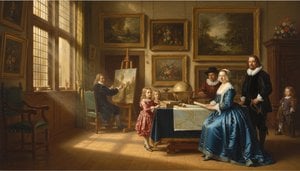
Embark on a journey through the Dutch Golden Age. Discover how masters like Rembrandt and Vermeer used chiaroscuro to manipulate light and shadow, creating timeless depth and spiritual resonance in art history's most captivating masterpieces.


 미리보기
미리보기
 공유하기
공유하기 공유하기
공유하기
 상세 정보
상세 정보

 다운로드
다운로드
 유사 작품
유사 작품 X-레이
X-레이 슬라이드 쇼
 통계 정보
통계 정보 더 보기
더 보기









 유리 옵션은 110cm 미만 크기에서만 선택 가능합니다.


