
원하는 크기와 액자로 주문 제작되는, 작가들이 직접 캔버스에 손으로 그린 유화 작품입니다. ( 프린트 판매로 전환 디지털 이미지로 전환)





























작품의 원본 비율을 유지하는 미리 설정된 크기 중에서 선택하세요.

특정 프레임이나 공간에 맞도록 직접 크기를 입력할 수 있습니다. 선택하신 크기가 원본 이미지의 비율과 일치하지 않는 경우, 작품을 자르거나 추가적인 손으로 그린 요소를 사용하여 그림을 확장합니다. 제작 시작 전 승인을 위해 디지털 목업을 보내드립니다.
화면 미리 보기는 실제 자르기 또는 확장을 반영하지 않습니다. 최종 구성은 목업을 통해서만 정확하게 확인하실 수 있습니다.
맞춤 크기 제작도 가능하지만, 원본 비율을 유지하기 위해 사전 정의된 목록에서 크기를 선택하시는 것을 권장합니다.

St. Jerome Kneeling
복제본 크기
Rembrandt van Rijn’s *St. Jerome Kneeling* is more than just a depiction of religious devotion; it's a profound exploration of the human condition, rendered with an intimacy that transcends its historical context. Likely painted between 1631 and 1634 during his burgeoning Amsterdam period, the work draws us into a moment of intense spiritual contemplation, revealing not only Jerome’s faith but also the doubts and vulnerabilities inherent in it. Even viewed through the muted tones of a black and white reproduction, Rembrandt's genius shines—a testament to his mastery of light, shadow, and psychological portraiture.
The painting portrays Saint Jerome, celebrated for translating the Bible into Latin (the Vulgate), lost in prayer before an enigmatic figure often interpreted as Christ or an angel. This celestial being presents an open book—a potent symbol of scripture and divine knowledge—while Jerome kneels upon a rocky terrain that evokes his years spent in self-imposed exile in the Syrian desert. This wasn’t merely a geographical relocation; it was a deliberate retreat into hardship, a space where spiritual awakening could take root amidst physical austerity. The indistinct figures glimpsed in the background suggest this isn't solely a private moment of devotion but one witnessed, blurring the lines between personal faith and public example. It invites us to consider the weight of Jerome’s commitment and the enduring power of his solitary quest.
Rembrandt’s artistic brilliance lies in his unparalleled use of chiaroscuro—the dramatic interplay of light and shadow. This isn't simply a decorative technique; it actively *sculpts* Jerome’s form, drawing our gaze to his face and hands, conveying both physical weariness and fervent spirituality. Notice how the light doesn’t merely illuminate but defines every wrinkle etched by age and devotion, revealing a lifetime of contemplation and struggle. The loose, expressive brushwork, particularly evident in the drapery and background figures, creates an immediacy and emotional depth rarely seen in earlier depictions of saints. This is not an idealized figure; it's a profoundly human representation—raw, vulnerable, and deeply relatable. Rembrandt deliberately moved away from the theatricality prevalent at the time, prioritizing psychological truth over dramatic spectacle.
To fully appreciate *St. Jerome Kneeling*, one must understand its historical context. The 17th century Netherlands experienced an unprecedented flourishing of art fueled by economic prosperity and a growing middle class eager to adorn their homes with meaningful artwork. While religious themes remained popular, they were increasingly interpreted through the lens of personal piety and individual experience—a sentiment perfectly captured in this painting. This period witnessed a shift away from grand commissions for the church towards more intimate works intended for private contemplation. Rembrandt’s approach reflects this changing sensibility, offering viewers not a grandiose spectacle but an invitation to quiet introspection.
The painting is rich with symbolic meaning. The bird soaring overhead can be interpreted as a symbol of hope, a divine messenger, or even the fleeting nature of earthly existence. Jerome’s worn clothing speaks volumes about his ascetic lifestyle and unwavering dedication to faith. But beyond these specific symbols, it's the emotional resonance that truly captivates. *St. Jerome Kneeling* evokes feelings of humility, introspection, and the weight of spiritual longing. When considering a space for this masterpiece (or a beautifully rendered reproduction), soft, diffused lighting will best reveal Rembrandt’s masterful use of chiaroscuro. Complementary colors like deep blues, rich browns, and muted golds will enhance its somber yet powerful mood. A quiet room—a library, study, or contemplative space—would provide an appropriate atmosphere for viewing this work, framed by classic, understated dark wood or gilded tones to allow the artwork to take center stage. Owning a Rembrandt is owning a piece of art history; *St. Jerome Kneeling* isn’t just an image—it's a window into the soul and a testament to enduring faith.


1606 - 1669 , 네덜란드

Explore the profound mastery of light and shadow in Dutch Golden Age paintings. From Rembrandt's dramatic chiaroscuro to serene landscapes, discover the techniques that defined an era of art history and learn how these timeless masterpieces are preserved for modern collectors.
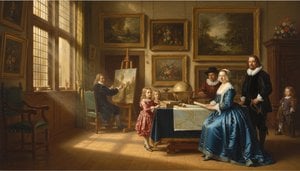
Embark on a journey through the Dutch Golden Age. Discover how masters like Rembrandt and Vermeer used chiaroscuro to manipulate light and shadow, creating timeless depth and spiritual resonance in art history's most captivating masterpieces.

Embark on a sophisticated journey through the Dutch Golden Age. Unveil the dramatic brilliance of Rembrandt’s chiaroscuro and the expressive landscapes of 17th-century masters in this authoritative exploration of light, shadow, and enduring artistic legacy.


 미리보기
미리보기
 공유하기
공유하기 공유하기
공유하기
 상세 정보
상세 정보

 다운로드
다운로드
 유사 작품
유사 작품 X-레이
X-레이 슬라이드 쇼
 통계 정보
통계 정보

 더 보기
더 보기









 유리 옵션은 110cm 미만 크기에서만 선택 가능합니다.


