미리보기미리보기 AR 미리보기AR 미리보기 손으로 그린 그림 구매 손으로 그린 그림 구매디지털 이미지로 전환 디지털 이미지로 전환 공유하기공유하기
상세 정보상세 정보 즐겨찾기에 추가 즐겨찾기에 추가 다운로드다운로드 유사 작품유사 작품 X-레이X-레이 슬라이드 쇼슬라이드 쇼 통계 정보통계 정보

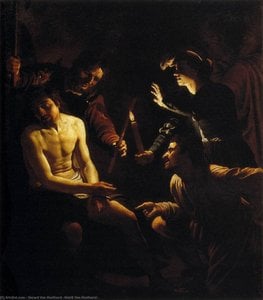
Ecce Homo

렘브란트 판 레인(1606-1669), 빛과 그림자의 대가! 《야경》, 자화상 등 걸작 감상하며 네덜란드 황금시대의 예술적 영감을 느껴보세요.

지클레 / 아트 프린트

빠른 제작과 다양한 마감 옵션을 제공하는 박물관 품질의 지클레이 또는 캔버스 프린트. (손으로 그린 그림 구매 손으로 그린 그림 구매디지털 이미지로 전환 디지털 이미지로 전환)

P118B $10
P118H $10
P118W $10
P438Z $10
P508JH $12
P508YH $12
P805H $10
P805Z $10
P919BZ $10
P919G $10
P919XJ $10
P959ZH $10
P968JZ $12
W106C $8
W218G $10
W218JH $8
W218Y $10
W307PJ $10
W316G $10
W316PJ $8
W316Y $10
W398PJ $8
W4111J $10
W500HY $15
W500JH $15
W692G $12
W849H $8
W940BG $15
W953PJ $8

표준 규격
맞춤형
CM
INCH

작품의 원본 비율을 유지하는 미리 설정된 크기 중에서 선택하세요.

가로 너비
세로 길이

특정 프레임이나 공간에 맞춰 직접 치수를 입력하실 수 있습니다. 선택하신 사이즈가 원본 이미지의 비율과 일치하지 않을 경우, 작품을 크롭(자르기)하거나 이미지를 대칭 또는 단색 채우기로 확장하여 제작합니다. 제작 시작 전, 최종 확인을 위해 디지털 목업이 전송됩니다.
화면상의 미리보기는 실제 크롭이나 확장 상태를 반영하지 않으므로, 최종 구도는 오직 목업을 통해서만 정확하게 확인하실 수 있습니다.
맞춤 사이즈 제작도 가능하지만, 원본 비율을 유지하기 위해서는 사전 정의된 목록에서 치수를 선택하시는 것을 권장합니다.

전 세계 배송()은 일반적인 4~5주의 소요 기간 대신 2주 이내에 완료됩니다. (12 9월)

why_choose_icon
전 세계 무료 특급 배송
why_choose_icon
프리미엄 린넨 캔버스
why_choose_icon
전체 배송 보험 보장
why_choose_icon
관세 환불 보장
why_choose_icon
실제 색상 일치 보장
why_choose_icon
100일 반품 정책 (결함 발생 시에만 적용)
why_choose_icon
100% 환불 보장
why_choose_icon
다량 구매 할인 혜택

총 합계 금액

$ 68

reproduction

Ecce Homo

지클레 / 아트 프린트

복제본 크기

-

최종 결제 금액

$ 68

작품 정보 요약

  • Location: Private Collection
  • Artistic style: Dutch Baroque
  • Notable elements or techniques: Chiaroscuro, Dramatic Composition
  • Title: Ecce Homo
  • Movement: Baroque
  • Medium: Etching

예술 상식 퀴즈

각 질문의 정답은 하나뿐입니다.

질문 1:
What artistic technique is prominently featured in Rembrandt’s ‘Ecce Homo’, contributing to its dramatic impact?
질문 2:
The painting depicts a scene referencing which biblical narrative?
질문 3:
What is the significance of the two clocks included in the composition?
질문 4:
Rembrandt’s style is characterized by his masterful use of light and shadow. What term describes this technique?
질문 5:
In what artistic movement did Rembrandt’s ‘Ecce Homo’ primarily belong?

A Moment Frozen in Time: Rembrandt’s ‘Ecce Homo’

Rembrandt van Rijn's “Ecce Homo,” etched in 1637, transcends mere depiction; it embodies the very essence of Baroque drama and theological contemplation. This striking monochrome print captures a pivotal scene from Holy Week – Jesus Christ presented to Pontius Pilate – conveying an unparalleled depth of emotion and artistic virtuosity that continues to resonate with audiences centuries later. The composition itself is meticulously crafted, prioritizing psychological realism over idealized beauty, reflecting Rembrandt’s groundbreaking approach to portraiture and biblical narrative alike.
  • Subject Matter: The artwork portrays Jesus Christ standing before Pontius Pilate, a moment fraught with tension and moral dilemma. It's not simply a historical record but an attempt to convey the profound spiritual significance of this encounter.
  • Style & Technique: Rembrandt’s masterful etching technique—known for its exceptional tonal range—allows him to achieve breathtaking chiaroscuro, manipulating light and shadow with unparalleled precision. This dramatic interplay creates palpable depth and texture, drawing the viewer into the scene's emotional core.
The etching process itself was revolutionary for its time. Rembrandt skillfully utilized a burr tool to create minute ridges on the copper plate, which would catch ink during printing, resulting in incredibly detailed lines that capture every nuance of expression and drapery folds. This painstaking method ensured that the print faithfully reproduced the artist’s vision with remarkable fidelity.

Historical Context & Significance

“Ecce Homo” emerged from a period of intense religious fervor within the Netherlands during the Reformation, marking a crucial juncture in European history. Rembrandt's depiction aligns perfectly with the theological debates surrounding Pilate’s decision to condemn Jesus, prompting viewers to grapple with questions of faith and justice. The image powerfully communicates Christ’s suffering and vulnerability, emphasizing his humanity alongside divine majesty—a deliberate artistic strategy designed to provoke contemplation and inspire piety.

Symbolism & Emotional Impact

Beyond its historical context, “Ecce Homo” is laden with symbolic resonance. Rembrandt's careful positioning of Jesus’ hands tied behind him underscores his helplessness before Pilate’s authority, symbolizing the sacrifice demanded by divine grace. The solemn gaze of Christ and the palpable anxiety etched on Pontius Pilate’s face amplify the scene’s dramatic tension, conveying a profound sense of sorrow and moral responsibility. Rembrandt's ability to evoke such visceral emotion solidified his reputation as one of the greatest portraitists and printmakers of all time.

A Legacy Enduring Through Reproduction

Today, high-quality reproductions of “Ecce Homo” offer art lovers and collectors alike the opportunity to experience Rembrandt’s artistic genius firsthand. WahooArt.com presents meticulously crafted prints that faithfully capture the artwork's luminous tonal range and textural subtleties—allowing you to bring this iconic masterpiece into your home or workspace.

작가 약력

렘브란트 판 레인: 빛과 그림자의 거장

렘브란트 판 레인(Rembrandt van Rijn, 1606-1669)은 네덜란드 황금시대의 가장 위대한 화가 중 한 명으로, 빛과 그림자를 다루는 독보적인 기법과 인간 내면을 깊이 있게 탐구하는 능력으로 전 세계 미술사에 영원히 이름을 남겼습니다. 1606년 네덜란드의 라이덴에서 태어난 그는 밀러의 아들로, 비교적 풍족한 환경에서 자라면서 고전 교육을 받으며 예술적 재능을 키워나갔습니다. 젊은 시절 야코프 판 스바넨부르흐와 피터 러스만의 지도를 받았고, 특히 러스만에게서 얻은 극적인 빛과 그림자의 사용법은 그의 작품 세계에 깊은 영향을 미쳤습니다. 라이덴에서 명성을 쌓던 그는 1631년 암스테르담으로 이주하여 초상화가로서 큰 성공을 거두며 빠르게 부를 축적했습니다.

암스테르담의 빛과 그림자: 예술적 성숙

암스테르담에서의 삶은 렘브란트에게 새로운 전환점이 되었습니다. 그는 뛰어난 재능을 인정받아 귀족과 상인들의 초상화 의뢰가 끊이지 않았고, 부유한 상인의 딸 사스키아 판 위렌부르흐와 결혼하면서 사회적 지위도 더욱 높아졌습니다. 그러나 행복했던 시절은 오래가지 못했습니다. 사스키아의 갑작스러운 죽음 이후 렘브란트는 개인적인 비극과 재정적인 어려움에 직면하게 됩니다. 그럼에도 불구하고 그는 예술가로서 끊임없이 발전하며, 이전과는 다른 깊이 있는 표현 방식을 모색했습니다. 그의 작품에는 더 이상 단순한 외형적 묘사가 아닌, 인물의 내면세계와 감정을 드러내는 섬세하고 풍부한 표현이 담겨 있습니다. 특히 빛과 그림자의 대비를 극대화하여 인물들의 표정과 분위기를 더욱 강조하는 기법은 그의 독창적인 스타일을 완성했습니다. 해부학 강의(1632), 벨사살의 잔치(1635)와 같은 작품들은 이러한 그의 예술적 성숙을 보여주는 대표적인 예입니다.

밤의 경비대: 혁신과 논쟁

렘브란트의 가장 유명한 작품 중 하나인 밤의 경비대(1642)는 기존의 단체 초상화 형식을 완전히 파괴하고 새로운 가능성을 제시했습니다. 이 작품은 단순히 인물들의 모습을 기록하는 것이 아니라, 긴장감 넘치는 순간을 포착하여 마치 살아 움직이는 듯한 생동감을 선사합니다. 그러나 당시의 관습과는 다른 그의 혁신적인 표현 방식은 일부 의뢰인들에게 비판을 받기도 했습니다. 그럼에도 불구하고 밤의 경비대는 렘브란트의 예술적 역량을 보여주는 기념비적인 작품으로 평가받고 있으며, 오늘날까지도 수많은 사람들에게 영감을 주고 있습니다.

예술과 삶의 여정: 후기 작품과 유산

후기에는 재정적인 어려움과 개인적인 고난 속에서도 렘브란트는 예술가로서 끊임없이 노력했습니다. 그의 후기 작품들은 이전보다 더욱 단순화된 구도와 차분한 색채를 특징으로 하며, 인간의 삶과 죽음, 믿음과 희망에 대한 깊은 성찰을 담고 있습니다. 특히 돌아온 탕자(1669)는 그의 마지막 작품 중 하나로 평가받으며, 인간적인 연민과 용서의 메시지를 전달합니다. 렘브란트는 1669년 암스테르담에서 세상을 떠났지만, 그의 예술은 시대를 초월하여 전 세계 사람들에게 감동을 선사하고 있습니다. 그는 빛과 그림자를 통해 인간 내면의 깊이를 탐구하고, 삶의 희로애락을 진솔하게 표현하며 미술사에 길이 남을 불멸의 업적을 남겼습니다. 그의 작품들은 오늘날에도 수많은 예술가들에게 영감을 주고 있으며, 렘브란트는 서양 미술사에서 가장 중요한 인물 중 한 명으로 기억되고 있습니다.
렘브란트

렘브란트

1606 - 1669 , 네덜란드

주요 정보

  • 국적: 네덜란드
  • 대표 작품:
    • 해부학 강의
    • 밤의 경비대
    • 돌아온 방랑자
  • 사망일: 1669년 10월 4일
  • 영향을 받은 예술 사조: ['네덜란드 황금 시대']
  • 영향을 준 예술가:
    • 피터 라스트만
    • 티치아노
    • 카라바조
  • 예술 사조: 바로크 미술
  • 전체 이름: 렘브란트 판 레인
  • 출생일: 1606년 7월 15일
  • 출생지: 라이덴, 네덜란드
테마, 스타일 및 특징별로 분류된 작품들을 만나보세요.