


 Oil On CanvasWallArtBaroque
 1643
1643 203.0 x 185.0 cm
 에르미타주 박물관
온라인 미리보기보다 훨씬 뛰어난 품질의 고해상도 디지털 이미지를 구매해 보세요.
각 파일은 사내 전문가가 고급 도구와 숙련된 수동 리터칭 기술을 사용하여 세심하게 준비합니다. 우리는 모든 이미지가 탁월한 선명도, 정확한 색상 재현력, 그리고 미세한 디테일까지 완벽하게 갖추도록 보장합니다.
최종 파일은 전문적인 편집 및 인쇄 환경에서 즉시 사용할 수 있도록 최적화되어 72시간 이내에 이메일로 발송됩니다. 이는 세계적인 디자인 스튜디오, 출판사 및 갤러리가 신뢰하는 것과 동일한 품질입니다.
개인 소장 및 전시, 인쇄, 창작 프로젝트를 위한 고해상도 파일을 다운로드하세요. ( 프린트 구매 손으로 그린 그림 구매)
WahooArt.com를 선택하시면 단순히 이미지를 받는 것을 넘어, 정밀한 보정 과정을 거친 전문적인 디지털 예술 작품을 만나보실 수 있습니다. 모든 작품에는 만족 보장 서비스가 함께 제공되며, 주문 시 다음과 같은 사항들이 자동으로 포함됩니다:

주문 후 72시간 이내에 고해상도 디지털 이미지 파일이 이메일로 발송되며, 즉시 사용하실 수 있습니다.

귀하의 작품은 고급 AI 도구와 수동 편집 과정을 거쳐 전문적으로 최적화되며, 이를 통해 디테일과 선명도, 색상의 정확도를 극대화합니다.

파일을 실수로 삭제하거나 분실하셨나요? 걱정 마세요. 언제든 무료로 다시 보내드립니다.

관세나 부가세, 배송비 부담 없이 작품을 즉시 감상하세요 - 디지털 다운로드는 언제나 면세 혜택이 적용됩니다.

전문적인 도구와 색상 관리 시스템을 통해 디지털 이미지가 원본의 색상을 최대한 정확하게 구현하도록 보장합니다.

구매하신 디지털 이미지에 만족하지 못하실 경우, 100일 이내에 수정 또는 100% 환불을 진행해 드립니다 - 어떠한 문의도 필요 없습니다.

만족하지 못하셨나요? 디지털 파일을 수령하신 후 100일 이내라면 별도의 이유를 밝힐 필요 없이 전액 환불해 드립니다.

이미지 3매 구매 시 10% 할인 - 5매 구매 시 15% 할인 - 10매 이상 구매 시 20% 할인. 크리에이티브 프로젝트, 갤러리, 에이전시에 매우 유용합니다.
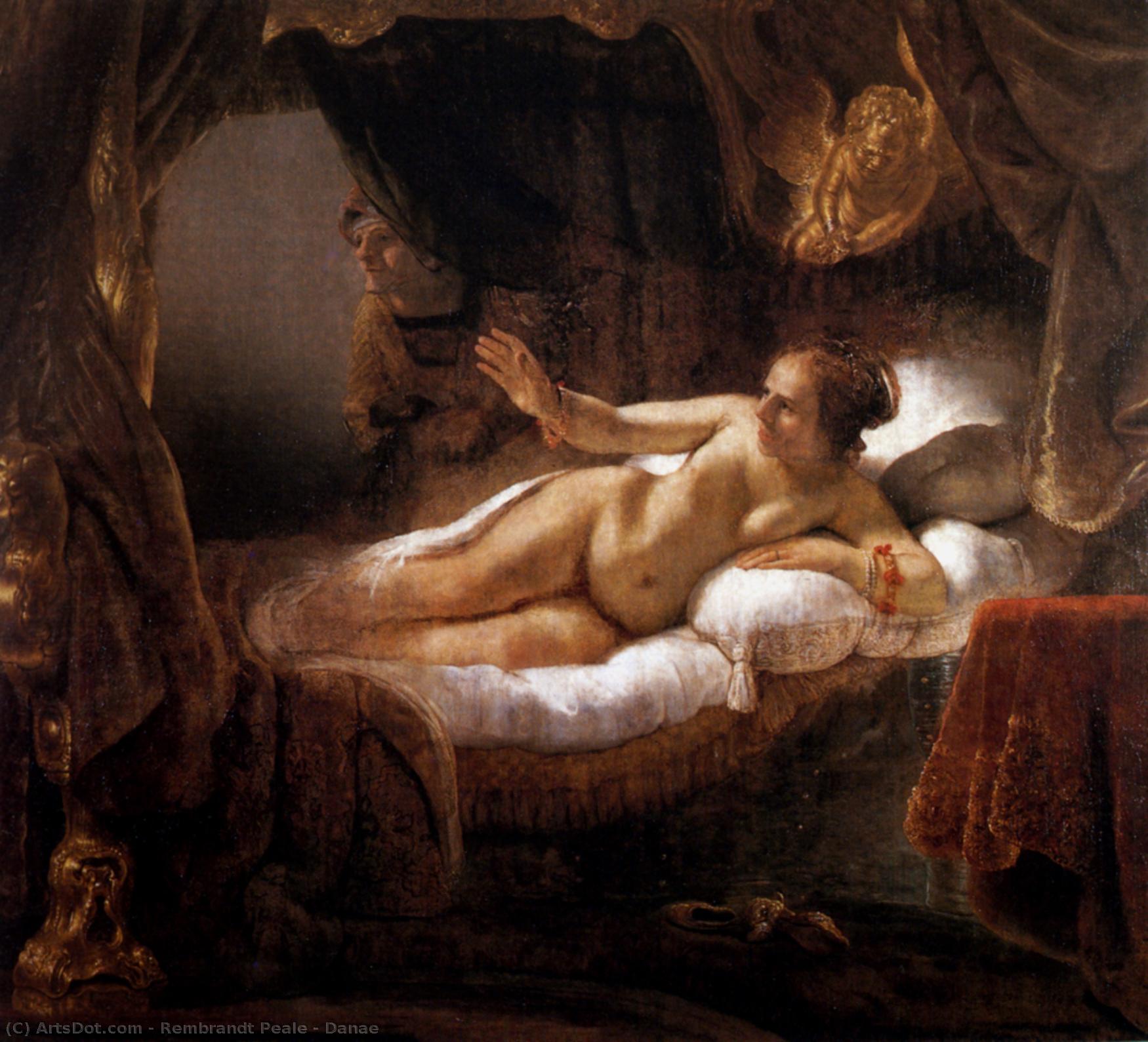
Rembrandt Peale’s “Danaë,” painted in 1643, is not merely a depiction of Greek mythology; it's a visceral exploration of desire, vulnerability, and the unsettling power of the divine. This arresting oil on canvas immediately commands attention with its dramatic chiaroscuro – a masterful manipulation of light and shadow that plunges the scene into an opulent, almost suffocating darkness, punctuated by the radiant glow of Zeus’s golden rain. The painting's mood is profoundly evocative, hinting at both beauty and impending doom, a hallmark of the Baroque style which Peale expertly employs.
At the heart of the composition lies Danaë, reclining on a luxurious bed draped in rich fabrics and adorned with pillows. Her nudity, while undeniably provocative, isn’t presented as overtly sensual; rather, it emphasizes her vulnerability and passive acceptance of fate. The sheer curtain partially concealing her body subtly reveals the descending golden rain – not a gentle blessing, but a torrent of shimmering light that feels both miraculous and threatening. This visual paradox is crucial to understanding the painting's central theme: the precarious balance between divine gift and potential corruption.
Peale’s technical skill is evident in every brushstroke. The impasto technique – building up thick layers of paint – creates a remarkable sense of texture, particularly in the drapery and the swirling golden rain. These areas practically leap off the canvas, drawing the viewer into the scene with an almost tactile quality. The use of line is equally deliberate; flowing lines define the luxurious fabrics, while sharp, angular lines delineate the architectural elements within the chamber, creating a dynamic interplay between organic curves and geometric precision.
Furthermore, Peale’s understanding of perspective is subtly flattened, prioritizing emotional impact over strict realism. This choice contributes to the painting's dreamlike quality, intensifying the sense of drama and heightening the viewer’s engagement with the narrative. The lighting itself – a strong directional light illuminating Danaë’s face and upper body – serves to heighten her importance within the composition while simultaneously shrouding the background in shadow, creating an atmosphere of mystery and foreboding.
“Danaë” is rooted firmly in Greek mythology. The story recounts how Zeus, disguised as a shower of golden rain, seduced Danaë, daughter of King Aetius, and fathered Perseus, the hero who would later slay Medusa. The golden rain isn’t simply a symbol of fertility; it represents Zeus's divine intervention – an irresistible force that disrupts the natural order and exposes Danaë to his desires. The painting captures this moment of transgression and the subsequent consequences for both woman and family.
Painted during a period of intense artistic experimentation, “Danaë” reflects the influence of the Dutch Baroque masters, particularly Rembrandt van Rijn (hence Peale’s namesake). However, Peale adapts these influences to create a distinctly American style. The painting also speaks to the broader cultural anxieties of the time – concerns about unchecked power, the role of women in society, and the relationship between humanity and the divine. It's important to note that Peale was part of a burgeoning artistic community in Philadelphia, and his work contributed significantly to the development of American portraiture and landscape painting.
Rembrandt Peale’s legacy extends beyond this single masterpiece. He was a pivotal figure in establishing America's first museum – The Peale Museum – alongside his father, Charles Willson Peale. This institution, dedicated to showcasing art, natural history, and scientific specimens, played a crucial role in fostering public engagement with the arts and sciences. The museum itself stands as a testament to Peale’s commitment to education and cultural enrichment. Reproductions of works like “Danae” are now available through WahooArt.com, allowing enthusiasts worldwide to experience the power and beauty of this iconic painting.


1778 - 1860 , 미국

 미리보기
미리보기
 공유하기
공유하기 공유하기
공유하기
 상세 정보
상세 정보

 다운로드
다운로드
 유사 작품
유사 작품 X-레이
X-레이 슬라이드 쇼
 더 보기
더 보기


