
빠른 제작과 다양한 마감 옵션을 제공하는 박물관 품질의 지클레이 또는 캔버스 프린트. ( 손으로 그린 그림 구매 디지털 이미지로 전환)
작품의 원본 비율을 유지하는 미리 설정된 크기 중에서 선택하세요.

특정 프레임이나 공간에 맞춰 직접 치수를 입력하실 수 있습니다. 선택하신 사이즈가 원본 이미지의 비율과 일치하지 않을 경우, 작품을 크롭(자르기)하거나 이미지를 대칭 또는 단색 채우기로 확장하여 제작합니다. 제작 시작 전, 최종 확인을 위해 디지털 목업이 전송됩니다.
화면상의 미리보기는 실제 크롭이나 확장 상태를 반영하지 않으므로, 최종 구도는 오직 목업을 통해서만 정확하게 확인하실 수 있습니다.
맞춤 사이즈 제작도 가능하지만, 원본 비율을 유지하기 위해서는 사전 정의된 목록에서 치수를 선택하시는 것을 권장합니다.

The Three Trees
복제본 크기
In the vast annals of the Dutch Golden Age, few works capture the raw, elemental power of nature as profoundly as Rembrandt van Rijn’s 1643 masterpiece, The Three Trees. This extraordinary print, a masterful fusion of etching, drypoint, and engraving, transcends the boundaries of a mere landscape to become a dramatic stage for the forces of life and weather. At its heart, the composition is anchored by a cluster of three sturdy trees that stand as silent sentin'els against an unruly sky. Through his unparalleled command of chiaroscuro, Rembrandt breathes a sense of animated life into the paper, using sweeping directional movements to suggest windswept branches and heavy, moisture-laden clouds. The viewer is not merely looking at a vista of the Amsterdam countryside; they are witnessing a moment of profound atmospheric tension where light and shadow engage in a perpetual, theatrical struggle.
Beyond the grand, sweeping gestures of the landscape lies a world rich with intimate, hidden narratives that reward the patient observer. While the three trees dominate the visual field, Rembrandt has meticulously tucked away small, poignant vignettes of human existence within the textures of the earth and foliage. If one looks closely at the lower left, a fisherman and his companion can be found navigating their quiet reality; further back, a farmer tends to his cattle, grounding the epic scene in the rhythms of rural labor. Even amidst the turbulent atmosphere, life persists in its most tender forms—a horse pulls a cart in the distance, an artist sits quietly recording the view, and, most enchantingly, two lovers are nestled discreetly within the bushes at the lower right, seemingly oblivious to the storm. These subtle details transform the work from a study of nature into a complex tapestry of human resilience and connection.
The technical brilliance of The Three Trees lies in Rembrandt’s ability to manipulate the medium of printmaking to achieve painterly depth. Using a sophisticated combination of etching and drypoint, he employs heavy hatching and cross-hatching to simulate the rough, tactile bark of the trees and the soft, ephemeral quality of distant clouds. This meticulous line work creates a sense of immense volume and atmospheric perspective, where objects gradually recede into a hazy, luminous horizon. The monochromatic palette, far from being limiting, allows for an infinite range of tonal variations that evoke a somber, contemplative mood. For the collector or interior designer, this piece offers a sophisticated anchor for any space, providing a sense of historical gravity and intellectual depth.
For those seeking to bring the spirit of the Baroque era into a contemporary setting, a high-quality reproduction of this work serves as more than just decoration; it is an invitation to contemplation. The artwork’s inherent themes of solitude, strength, and the enduring nature of life resonate deeply in the modern world. Whether placed in a quiet study, a grand library, or a minimalist living space, The Three Trees commands attention through its emotional weight and technical complexity. It remains a testament to Rembrandt's genius—a work that captures not just the landscape of the Netherlands, but the very soul of the natural world, standing resilient against the passing of centuries.


1606 - 1669 , 네덜란드

Journey through 10 legendary etching masterpieces by Rembrandt, Dürer & Goya. Explore the history of printmaking and discover timeless art for your home. Find museum-quality reproductions at WahooArt.com.

Explore the rich history of etching, from its origins to Rembrandt's masterful innovations. Discover the technique, aesthetic qualities & enduring legacy of this captivating art form. Expert insights for collectors and enthusiasts.
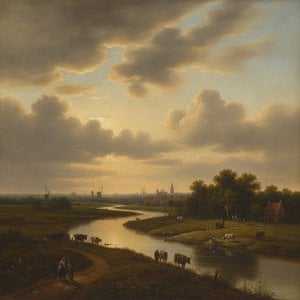
Discover the breathtaking beauty of Dutch Golden Age landscapes. Explore the mastery of light, chiaroscuro, and 17th-century realism through an expert art history lens, celebrating the enduring legacy of the Dutch Masters for discerning collectors and art lovers.

Journey through the Golden Age with our guide to the Top 10 Dutch Baroque masterpieces! Explore iconic paintings by Rembrandt, Vermeer & Frans Hals. Find museum-quality art reproductions and elevate your home decor at WahooArt.com.

렘브란트 반 레인 명작 25선을 만나보세요. 빛과 그림자의 거장이 그린 역사화, 초상화 속 예술의 정수를 감상하고, 네덜란드 황금시대 바로크 미술의 깊이를 느껴보세요. WahooArt.com에서 고품질 복제화를 컬렉션하세요.


 미리보기
미리보기
 공유하기
공유하기 공유하기
공유하기
 상세 정보
상세 정보 가이드 보기

 다운로드
다운로드
 유사 작품
유사 작품 X-레이
X-레이 슬라이드 쇼
 통계 정보
통계 정보

 더 보기
더 보기






































 유리 옵션은 110cm 미만 크기에서만 선택 가능합니다.


