

빠른 제작과 다양한 마감 옵션을 선택할 수 있는 박물관 수준의 지클레이 및 캔버스 프린트. ( 수작업 채색 복제본 주문하기 디지털 이미지 판매 채널로 전환)
작품의 원본 비율을 그대로 유지하는 프리셋 사이즈 중에서 선택해 보세요.

특정 프레임이나 공간에 맞춰 직접 치수를 입력하실 수 있습니다. 선택하신 사이즈가 원본 이미지의 비율과 일치하지 않을 경우, 작품을 크롭(자르기)하거나 이미지를 대칭 또는 단색 채우기로 확장하여 제작합니다. 제작 시작 전, 최종 확인을 위해 디지털 목업이 전송됩니다.
화면상의 미리보기는 실제 크롭이나 확장 상태를 반영하지 않으므로, 최종 구도는 오직 목업을 통해서만 정확하게 확인하실 수 있습니다.
맞춤 사이즈 제작도 가능하지만, 원본 비율을 유지하기 위해서는 사전 정의된 목록에서 치수를 선택하시는 것을 권장합니다.

Baptismal font
복제본 규격
In the heart of the Mosan Valley, where the Meuse River flows through the historical landscapes of modern-day Belgium, lies a relic of profound spiritual and artistic significance. The Baptismal font, forged by the masterful hands of Reiner de Huy between 1107 and 1118, stands as a breathtaking testament to the Romanesque era's creative zenith. This is not merely a vessel for ritual; it is a complex narrative in bronze, a sculptural triumph that bridges the gap between the earthly and the divine. As one contemplates its surface, the weight of centuries becomes palpable, inviting the viewer into a world where metalwork transcends utility to become high art.
The craftsmanship exhibited in this piece is nothing short of extraordinary. Utilizing the medium of bronze, Reiner de Huy achieved a level of detail that was revolutionary for the early 12th century. The font features an intricate arrangement of figures in high relief, meticulously carved to capture the dynamism of biblical narratives. Each character possesses a distinct presence, their expressions and gestures frozen in a moment of sacred drama. This technique, characterized by a surprising degree of naturalism and anatomical awareness, reflects the influence of both Byzantine elegance and classical Roman traditions, creating a style that feels both ancient and remarkably alive.
To gaze upon the Baptismal font is to read a visual liturgy. The circumference of the basin serves as a stage for a series of religious scenes, where every fold of drapery and every muscular tension in the figures contributes to a larger theological message. Below these human dramas, the base of the font is adorned with carvings of animals and mythical creatures, representing the untamed forces of the world that are purified through the sacrament of baptism. This juxtaposition of the celestial and the terrestrial creates a powerful symbolic tension, reminding the faithful of the transformative power of faith.
The aesthetic allure of the piece is further enhanced by its rich, varied patina. The natural aging of the bronze has bestowed upon the font a deep, multi-tonal luster that catches the light in ways that modern reproductions strive to emulate. For the collector or the interior designer, this work offers more than just visual beauty; it provides a sense of historical continuity and prestige. The interplay of shadow and light across the raised reliefs creates a rhythmic texture that can serve as a profound focal point in any curated space, evoking an atmosphere of timelessness and quiet contemplation.
While the original masterpiece resides within the hallowed halls of the Collegiate Church of St. Bartholomew in Liège, its spirit remains accessible to those who appreciate the intersection of history and fine art. The Baptismal font is a cornerstone of Mosan art, a style that celebrated the marriage of goldsmithing precision with sculptural grandeur. For enthusiasts of high-quality reproductions, owning a piece inspired by Reiner de Huy’s work means bringing a fragment of the Romanesque Renaissance into the contemporary home.
Whether one is drawn to the technical mastery of the bronze casting or the emotional depth of its biblical storytelling, this artwork continues to inspire awe. It serves as a reminder that true art does not fade with time but matures, gaining complexity and soul. Integrating the essence of such a monumental work into a collection allows for a sophisticated dialogue between the medieval past and the modern present, offering an unparalleled opportunity to celebrate one of Europe's most significant artistic legacies.

Reiner de Huy, a name whispered through the annals of medieval art history, remains an elusive figure despite being credited with one of the most significant achievements of Romanesque sculpture – the magnificent baptismal font at St Bartholomew’s Church in Liège. Born sometime before 1125 and likely passing around 1150, Reiner's life is shrouded in mystery, known primarily through a single mention in a charter from the Bishopric of Liège identifying him as “Renerus aurifaber,” or Rainer the goldsmith. This scant detail, however, belies the profound impact his artistry had on the artistic landscape of 12th-century Europe.
To understand Reiner de Huy is to understand the vibrant cultural milieu of the Mosan Valley. Situated along the Meuse River, encompassing parts of modern Belgium and France, this region was a crucible of artistic innovation during the Romanesque period. The Prince-Bishopric of Liège fostered a thriving community of metalworkers, sculptors, and goldsmiths, with bronze casting holding particular prestige. This wasn’t merely a technical skill; it was an art form deeply intertwined with religious devotion and aristocratic patronage. The valley's strategic location facilitated trade and the exchange of ideas, drawing influences from Byzantine traditions, classical antiquity, and Ottonian artistry. Reiner emerged from this fertile ground, embodying the synthesis of these diverse elements.
Reiner’s enduring legacy rests upon the extraordinary baptismal font created between 1107 and 1118 for St Bartholomew's Church. This monumental work, cast in bronze, is not simply a vessel for ritual purification; it is a complex narrative unfolding in sculpted relief. The basin itself depicts five scenes central to the sacrament of baptism: John the Baptist preaching, the Baptism of Christ, and episodes involving the apostles Peter and John the Evangelist. These reliefs are remarkable for their dynamic composition, graceful figures, and a nascent sense of spatial depth – qualities that set them apart from earlier Romanesque sculpture. The original cover, adorned with depictions of the Twelve Apostles and prophets (sadly lost during the French Revolution), further enhanced the font’s symbolic richness.
The style of the baptismal font reveals a sophisticated understanding of classical forms blended with Byzantine elegance. Figures possess a flowing, rhythmic quality reminiscent of antique sculpture, yet they are imbued with a distinctly medieval spirituality. The intricate detailing, particularly in the drapery and facial expressions, demonstrates Reiner’s mastery of metalworking techniques. While direct influences remain debated, scholars point to connections with Ottonian bronze casting and Byzantine reliquaries. The font's narrative approach also reflects a growing emphasis on storytelling within religious art, anticipating developments in Gothic sculpture. A small bronze crucifix figure housed in the Schnütgen Museum in Cologne is often attributed to Reiner’s hand, offering further insight into his artistic vocabulary. Other works found in Brussels and Dublin are believed to have originated from his workshop, showcasing the breadth of his creative enterprise.
Reiner de Huy stands as a pivotal figure in the transition from Ottonian to Romanesque art. His baptismal font not only exemplifies the artistic achievements of the Mosan school but also profoundly influenced subsequent generations of sculptors and metalworkers. The work’s classical elegance, dynamic composition, and narrative power set a new standard for religious imagery. Though little is known about his personal life, Reiner de Huy's enduring masterpiece continues to inspire awe and admiration, solidifying his place as one of the most important artists of the medieval period. His work serves as a testament to the artistic flourishing that occurred in the Meuse Valley during the 12th century—a region often hailed as the “Athens of the North” for its intellectual and creative vitality.

1150

Master the intricate art of plaster bas-relief with our expert guide for art students. Learn professional techniques in material selection, texture carving, and pigment integration to create soulful, dimensionally rich sculptural masterpieces.

Discover the enduring allure of bronze sculptures at WahooArt.com. From classical lost-wax casting to modern metal masterpieces, explore museum-quality artworks designed to elevate luxury interiors. Expert curation, authenticity guaranteed, and worldwide shipping for discerning collectors.

Discover the enduring allure of bronze sculpture. From the intricate lost-wax process to Neoclassical masterpieces, our expert guide offers connoisseurs deep insights into evaluating patina, historical significance, and integrating metal fine art into sophisticated collections.

Discover the enduring elegance of bronze sculpture. From ancient Roman strength to Art Deco sophistication, explore our expert guide on collecting, casting techniques, and integrating timeless metal masterpieces into your fine art collection.
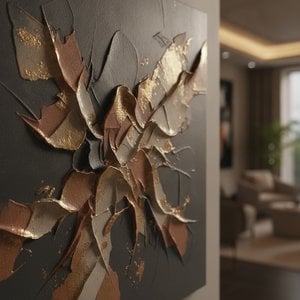
Elevate hospitality interiors with the sculptural depth of plaster and impasto art. Explore how tactile textures and relief techniques create immersive, luxurious environments for modern hotel design through expert curation and bespoke fine art commissions.

 보내기
보내기 공유하기
공유하기
 상세 보기
상세 보기 가이드 보기

 이미지 다운로드
 유사 작품 더 보기
 슬라이드 쇼 보기
 통계 정보
통계 정보


 상세 보기
상세 보기






































 유리 옵션은 110cm 미만 크기에서만 선택 가능합니다.


