실제 크기로 보기 AR로 미리보기 수작업 채색 복제본 주문하기 디지털 이미지 판매 채널로 전환 보내기
상세 보기 가이드 보기 즐겨찾기에 추가 이미지 다운로드 유사 작품 더 보기 X-레이 슬라이드 쇼 보기 통계 정보

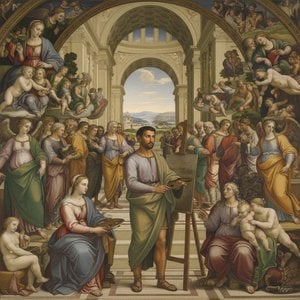
The Virtues

Raphael’s breathtaking fresco ‘The Virtues,’ part of the Stanza della Segnatura in Vatican City, embodies High Renaissance grace with idealized figures representing faith, hope, charity, prudence and fortitude. Explore this masterpiece and bring Raphael's timeless vision home.

라파엘로(1483-1520): 르네상스 시대의 거장으로, '아테네 학당'과 아름다운 마돈나 그림으로 유명합니다. 우르비노 출신으로 고전적 이상미를 담은 작품들은 서양 미술사에 큰 영향을 미쳤습니다.

지클레 / 아트 프린트

빠른 제작과 다양한 마감 옵션을 선택할 수 있는 박물관 수준의 지클레이 및 캔버스 프린트. ( 수작업 채색 복제본 주문하기 디지털 이미지 판매 채널로 전환)

Corner sample of the P118B picture frame: 성형 폴리스티렌, 5 cm wide and 3 cm thick
P118B ₩10
Corner sample of the P118H picture frame: 성형 폴리스티렌, 5 cm wide and 3 cm thick
P118H ₩10
Corner sample of the P118W picture frame: 성형 폴리스티렌, 5 cm wide and 3 cm thick
P118W ₩10
Corner sample of the P438Z picture frame: 성형 폴리스티렌, 5.5 cm wide and 3.5 cm thick
P438Z ₩10
Corner sample of the P508JH picture frame: 성형 폴리스티렌, 7 cm wide and 3.5 cm thick
P508JH ₩12
Corner sample of the P508YH picture frame: 성형 폴리스티렌, 7 cm wide and 3.5 cm thick
P508YH ₩12
Corner sample of the P805H picture frame: 성형 폴리스티렌, 5 cm wide and 3.5 cm thick
P805H ₩10
Corner sample of the P805Z picture frame: 성형 폴리스티렌, 5 cm wide and 3.5 cm thick
P805Z ₩10
Corner sample of the P919BZ picture frame: 성형 폴리스티렌, 7 cm wide and 3.5 cm thick
P919BZ ₩10
Corner sample of the P919G picture frame: 성형 폴리스티렌, 7 cm wide and 3.5 cm thick
P919G ₩10
Corner sample of the P919XJ picture frame: 성형 폴리스티렌, 7 cm wide and 3.5 cm thick
P919XJ ₩10
Corner sample of the P959ZH picture frame: 성형 폴리스티렌, 5 cm wide and 3 cm thick
P959ZH ₩10
Corner sample of the P968JZ picture frame: 성형 폴리스티렌, 6 cm wide and 4 cm thick
P968JZ ₩12
Corner sample of the W106C picture frame: 원목, 5 cm wide and 3 cm thick
W106C ₩8
Corner sample of the W218G picture frame: 원목, 5 cm wide and 3 cm thick
W218G ₩10
Corner sample of the W218JH picture frame: 원목, 5 cm wide and 3 cm thick
W218JH ₩8
Corner sample of the W218Y picture frame: 원목, 5 cm wide and 3 cm thick
W218Y ₩10
Corner sample of the W307PJ picture frame: 원목, 6 cm wide and 3 cm thick
W307PJ ₩10
Corner sample of the W316G picture frame: 원목, 6 cm wide and 3 cm thick
W316G ₩10
Corner sample of the W316PJ picture frame: 원목, 6 cm wide and 3 cm thick
W316PJ ₩8
Corner sample of the W316Y picture frame: 원목, 6 cm wide and 3 cm thick
W316Y ₩10
Corner sample of the W398PJ picture frame: 원목, 5 cm wide and 3 cm thick
W398PJ ₩8
Corner sample of the W4111J picture frame: 원목, 6.5 cm wide and 3.5 cm thick
W4111J ₩10
Corner sample of the W500HY picture frame: 원목, 7 cm wide and 5 cm thick
W500HY ₩15
Corner sample of the W500JH picture frame: 원목, 7 cm wide and 5 cm thick
W500JH ₩15
Corner sample of the W692G picture frame: 원목, 8 cm wide and 4 cm thick
W692G ₩12
Corner sample of the W849H picture frame: 원목, 5 cm wide and 3 cm thick
W849H ₩8
Corner sample of the W940BG picture frame: 원목, 7.5 cm wide and 4.5 cm thick
W940BG ₩15
Corner sample of the W953PJ picture frame: 원목, 6 cm wide and 3.5 cm thick
W953PJ ₩8

표준 규격
맞춤 제작
CM
INCH

작품의 원본 비율을 그대로 유지하는 프리셋 사이즈 중에서 선택해 보세요.

가로 너비
높이

액자나 벽면 크기에 맞춰 필요한 가로와 세로 길이를 입력해 주세요. 프린트는 원본 이미지보다 크게 제작할 수 없으며 오직 자르는 것만 가능하므로, 비율이 다른 사이즈를 선택할 경우 이미지의 일부가 잘려 나갈 수 있습니다. 인쇄 작업에 들어가기 전, 최종 확인을 위해 디지털 목업을 보내드립니다. 이 페이지에 표시된 이미지는 실제 잘리는 영역을 나타내지 않으며, 오직 목업을 통해서만 정확한 확인이 가능합니다.

전 세계 배송()은 일반적인 4~5주의 소요 기간 대신 2주 이내에 완료됩니다. (20 10월)

전 세계 무료 특급 배송
고품질 린넨 캔버스
배송 전 과정 보험 적용
관세 환급 보장 서비스
원본 색상 일치 보장
제조 결함 발견 시 100일 이내 반품 가능
100% 환불 보장
다량 구매 할인 혜택

총 결제 금액

₩ 93460

The Virtues

지클레 / 아트 프린트

복제본 규격

-

총 결제 금액

₩ 93460

주요 정보

  • Artistic style: Idealized realism
  • Movement: High Renaissance
  • Year: 1509-1511
  • Location: Stanza della Segnatura, Vatican City
  • Artist: Raphael
  • Influences: Michelangelo

A Symphony of Virtue: Exploring Raphael’s “The Virtues” Fresco

The fresco "The Virtues," painted by Raphael Sanzio da Urbino between 1509 and 1511 as part of the Stanza della Segnatura in Vatican City, stands as an unparalleled achievement of High Renaissance art. More than just a decorative embellishment of papal chambers, it’s a profound meditation on moral philosophy—a visual embodiment of Christian virtues designed to inspire contemplation and guide spiritual understanding. Commissioned by Pope Julius II during a period of ambitious artistic patronage, Raphael undertook this monumental task with unwavering dedication, transforming an unremarkable hallway into a breathtaking panorama of humanist ideals.

The Compositional Harmony: Michelangelo’s Influence

Raphael's masterful handling of perspective and spatial arrangement owes considerable debt to the pioneering work of Michelangelo Buonarroti on the Sistine Chapel ceiling. Like Michelangelo’s depiction of biblical figures soaring across the vault, Raphael employs dramatic diagonals and expansive curves to draw the viewer’s eye into the scene. The careful positioning of the figures—particularly Fortitude's lion—echoes Michelangelo’s monumental sculptures, demonstrating a shared artistic lineage and reflecting the broader Renaissance fascination with grandeur and anatomical accuracy. This deliberate stylistic kinship elevates “The Virtues” beyond mere aesthetic beauty; it speaks to a deeper engagement with the intellectual currents shaping European culture at the time.

Symbolism Rooted in Classical Tradition

The fresco’s symbolism is intricately interwoven with classical humanist thought, reflecting Raphael's exposure to the philosophical ideas circulating amongst intellectuals of his era. Each virtue—Fortitude, Charity, Prudence, Hope and Temperance—is represented by a female figure, embodying abstract concepts rather than literal representations. The mirror held aloft by Prudence symbolizes wisdom and discernment, prompting viewers to examine their own moral compass. Fortitude’s lion represents courage and resilience, while Temperance's reins symbolize moderation and self-control. Crucially, the depiction of Faith points upwards towards heaven, emphasizing the importance of spiritual devotion and belief—a cornerstone of Christian theology. The central tondo depicting Justice reinforces this thematic core, symbolizing righteousness and moral accountability.

Technique: Fresco Painting – A Legacy of Brilliance

Raphael’s technique exemplifies the mastery of fresco painting achieved during the High Renaissance. This method involves applying pigment onto wet plaster—a process demanding meticulous planning and execution. The durability of fresco ensures that “The Virtues” continues to captivate audiences centuries later, preserving Raphael's vibrant colors and nuanced detailing with remarkable fidelity. Unlike oil paint, which allows for reworking and blending, fresco necessitates a decisive approach, resulting in an image that is both timeless and powerfully expressive. The subtle gradations of color achieved through layering pigments contribute to the fresco’s luminous quality—a testament to Raphael’s artistic skill and his unwavering commitment to capturing the essence of humanist ideals.

Emotional Resonance: Inspiration for Generations

“The Virtues” transcends its formal artistry, resonating with viewers on an emotional level. Its serene beauty and harmonious composition convey a sense of moral upliftment—inviting contemplation and fostering reflection upon ethical conduct. Raphael’s masterpiece serves as a poignant reminder of the enduring power of art to communicate profound philosophical concepts and inspire spiritual aspiration. It remains a cornerstone of High Renaissance art, continuing to inspire artists and collectors alike who seek to emulate its elegance and imbue their own creations with similar moral depth.

질의응답

라파엘로의 "The Virtues"은 강렬한 대비를 사용하나요, 아니면 부드러운 조화를 이루고 있나요?

라파엘로의 "The Virtues"의 색채 분석은 Statement한 대비와 Strong Color Unity한 조화를 보여줍니다.

구매하기 전에 라파엘로의 "The Virtues"을(를) 제 벽에 미리 배치해 볼 수 있나요?

라파엘로의 "The Virtues"의 AR 미리보기 페이지에서는 증강 현실(AR) 기술을 사용하여 호환 가능한 기기를 통해 작품이 사용자의 공간에 배치된 모습을 미리 확인할 수 있습니다.

High Renaissance 양식의 작품 "The Virtues"은 어느 나라에서 유래되었나요?

High Renaissance 양식의 작품 "The Virtues"은 이탈리아에서 태어난 작가에 의해 제작되었습니다.


작가 소개

라파엘로: 우르비노의 빛, 르네상스 미술의 정수

1483년, 이탈리아 우르비노에서 태어난 라파엘로 산치오 다 우르비노, 그는 역사 속에서 ‘라파엘’이라는 이름으로 영원히 기억될 것입니다. 그의 삶은 바로크 건축과 예술의 중심지였던 우르비노 공국의 문화적 풍요 속에서 시작되었습니다. 아버지 조반니 산티 역시 공국에 고용된 화가이자 시인이었으며, 르네상스 사상의 흐름을 읽고 새로운 예술적 아이디어를 적극적으로 수용한 인물이었습니다. 이러한 환경은 어린 라파엘에게 예술과 학문이 결합된 균형 잡힌 감수성을 심어주었고, 그의 작품 세계에 깊은 영향을 미쳤습니다. 아버지의 갑작스러운 죽음 이후, 라파엘은 젊은 나이에 가족 작업장을 이끌며 그림 실력을 갈고 닦았고, 섬세한 표현과 부드러운 선이 특징인 초기 작품들에서 그의 재능을 엿볼 수 있습니다.

움브리아에서 피렌체로: 새로운 영감의 추구

라파엘의 예술적 여정은 끊임없는 변화와 성장의 연속이었습니다. 페루지노에게 그림을 배우며 움브리아 스타일의 기반을 다졌지만, 그는 안주하지 않고 더 넓은 세상으로 나아가고자 했습니다. 1504년, 예술 혁신의 중심지였던 피렌체로 향한 라파엘은 레오나르도 다 빈치와 미켈란젤로의 걸작들을 직접 마주하며 깊은 감명을 받았습니다. 그는 두 거장의 기법을 탐구하고 분석하며 자신만의 독창적인 스타일을 구축하기 위해 노력했습니다. 특히 레오나르도의 스푸마토 기법, 즉 부드러운 명암 대비를 통해 형태를 표현하는 방식과 미켈란젤로의 인체 해부학적 정확성과 역동적인 구성을 연구하며 자신의 예술 세계에 새로운 가능성을 불어넣었습니다. 피렌체에서의 경험은 라파엘에게 깊은 영향을 미쳐, 그의 작품에서 더욱 풍부한 감정과 생동감을 느낄 수 있게 해주었습니다.

로마의 황금기: 위대한 의뢰와 걸작 탄생

1508년, 교황 율리우스 2세의 초청으로 라파엘은 로마행을 결정하며 자신의 예술적 역량을 본격적으로 발휘할 기회를 맞이합니다. 영원한 도시 로마는 그에게 무대이자 영감의 원천이었으며, 바티칸 궁전의 벽면을 장식하는 대규모 프레스코화 작업을 통해 그의 명성은 더욱 높아졌습니다. 특히 ‘아테네 학당’은 라파엘의 대표작으로 손꼽히며, 고대 그리스 철학자들의 모습을 생생하게 묘사하여 지성과 예술이 조화를 이루는 르네상스 시대의 이상을 구현했습니다. 또한, 교황 레오 10세의 의뢰를 받아 ‘세그나투라 방’과 ‘엘리오도로 방’ 등의 프레스코화 작업을 진행하며 종교적 주제와 세속적인 이야기를 능숙하게 조화시키는 그의 재능을 증명했습니다. 이러한 작업들은 라파엘을 단순한 화가를 넘어, 시대의 정신을 반영하는 위대한 예술가로 자리매김하게 했습니다.

우아함과 웅장함의 조화: 라파엘의 예술적 특징

라파엘의 작품은 우아함, 명료함, 이상적인 아름다움이 절묘하게 어우러진 것이 특징입니다. 그는 움브리아 전통, 피렌체 혁신, 고대 그리스 로마 문화 등 다양한 영향을 흡수하여 자신만의 독창적인 예술 세계를 구축했습니다. 그의 구도는 정교하게 계획되어 있으며, 르네상스 시대의 원리를 반영하는 균형과 비례미를 자랑합니다. 인물들은 서정적이고 감성적인 표현을 통해 인간 본연의 아름다움을 드러내며, 보는 이로 하여금 깊은 감동을 불러일으킵니다. 또한, 그는 풍부하고 밝은 색채를 사용하여 시각적으로 매혹적이면서도 지적으로 자극하는 작품들을 창조했습니다. 미켈란젤로의 강렬하고 격렬한 스타일과는 대조적으로, 라파엘의 작품은 평온함과 조화로움이 느껴지는 것이 특징입니다.

불멸의 유산: 후대에 드리운 영향

라파엘은 37세라는 젊은 나이에 세상을 떠났지만, 그의 예술적 업적은 시대를 초월하여 후대 예술가들에게 영감을 불어넣었습니다. 그의 작품은 르네상스 시대의 미학을 대표하는 동시에, 이후 네오클래식주의 운동에 큰 영향을 미쳤습니다. 요한 요아힘 빈켈만과 같은 비평가들은 라파엘의 작품에서 고전적인 아름다움의 이상을 발견하고 이를 적극적으로 재조명했습니다. 오늘날까지도 그의 그림들은 전 세계 미술관에 전시되어 수많은 사람들에게 감동을 선사하며, 르네상스 시대 최고의 거장으로서 그의 위상은 확고히 자리 잡았습니다. 라파엘은 단순한 화가를 넘어, 인간의 아름다움과 정신적인 가치를 예술로 승화시킨 불멸의 존재입니다.

라파엘로

라파엘로

1483 - 1520 , 이탈리아

작가 정보 요약

  • 국적: 이탈리아인
  • 대표 작품:
    • 아테네 학당
    • 시스티나 마돈나
    • 변화
  • 사망일: 1520년 4월 6일
  • 영향을 받은 예술 사조: ['신고전주의']
  • 영향을 준 예술가:
    • 레오나르도 다 빈치
    • 미켈란젤로
    • 피에트로 페루지노
  • 예술 사조: 고전 회화 (High Renaissance)
  • 전체 이름: 라파엘로 산치오 다 우르비노
  • 출생일: 1483년 3월 28일 (또는 4월 6일)
  • 출생지: 우르비노, 이탈리아
테마, 스타일, 특징별로 큐레이션된 작품들을 만나보세요.