
x


빠른 제작과 다양한 마감 옵션을 제공하는 박물관 품질의 지클레이 또는 캔버스 프린트. ( 손으로 그린 그림 구매 이미지 구매)





























작품의 원본 비율을 유지하는 미리 설정된 크기 중에서 선택하세요.

특정 프레임이나 공간에 맞춰 직접 치수를 입력하실 수 있습니다. 선택하신 사이즈가 원본 이미지의 비율과 일치하지 않을 경우, 작품을 크롭(자르기)하거나 이미지를 대칭 또는 단색 채우기로 확장하여 제작합니다. 제작 시작 전, 최종 확인을 위해 디지털 목업이 전송됩니다.
화면상의 미리보기는 실제 크롭이나 확장 상태를 반영하지 않으므로, 최종 구도는 오직 목업을 통해서만 정확하게 확인하실 수 있습니다.
맞춤 사이즈 제작도 가능하지만, 원본 비율을 유지하기 위해서는 사전 정의된 목록에서 치수를 선택하시는 것을 권장합니다.

Portrait of a Cardinal
복제본 크기
Raphael’s “Portrait of a Cardinal,” painted circa 1510-1511, is more than just a likeness; it's a carefully constructed meditation on power, piety, and the very essence of Renaissance portraiture. Held within the hallowed halls of the Museo del Prado in Madrid, this oil painting immediately commands attention with its striking composition and the solemn dignity of its subject. The identity of the cardinal remains tantalizingly elusive – a deliberate choice by Raphael that invites speculation and adds layers of intrigue to an already remarkable work. The portrait isn’t merely a representation of a man; it's a carefully orchestrated tableau, reflecting the ideals of humanist thought and artistic mastery prevalent during the High Renaissance.
Initially conceived as a commission for Pope Julius II, the painting quickly transcended its initial purpose to become a testament to Raphael’s burgeoning skill. The subject, clad in the rich crimson robes characteristic of high-ranking cardinals – a symbol of their authority within the Catholic Church – exudes an air of quiet contemplation. The deep red, meticulously rendered with subtle variations in tone and texture, draws the eye immediately, anchoring the composition while simultaneously hinting at both earthly power and spiritual devotion. The careful attention to detail, from the folds of the fabric to the delicate rendering of the face, speaks volumes about Raphael’s dedication to capturing not just appearance but also character and inner state.
Raphael's mastery is evident in his masterful manipulation of light and shadow. The painting employs a technique known as *chiaroscuro*, where stark contrasts between light and dark are used to create depth, volume, and drama. This isn’t merely decorative; it serves to emphasize the cardinal’s features, highlighting his face and drawing attention to his gaze – a direct address to the viewer that fosters a sense of intimacy despite the formality of the subject's pose. The triangular composition, reminiscent of Leonardo da Vinci’s “Mona Lisa,” further enhances the painting’s visual impact, creating a stable yet dynamic arrangement.
The background, rendered in deep, muted tones, serves to isolate and elevate the figure, reinforcing his importance. Noticeably, Raphael subtly altered the subject's features – shortening the hair and shifting the position of one eye – suggesting a degree of artistic license and perhaps even a personal touch. These *pentimenti* (corrections made during the painting process) offer a rare glimpse into the artist’s creative journey and demonstrate his willingness to refine his work until it perfectly captured his vision.
“Portrait of a Cardinal” is firmly rooted in the Italian Renaissance, a period characterized by a renewed interest in classical art and philosophy. The painting embodies several key themes of the era – humanism, realism, and the celebration of beauty. The cardinal’s attire, with its rich fabrics and symbolic colors, reflects the hierarchical structure of society and the importance of religious authority. The pose itself—a three-quarter view, a departure from earlier profile portraits—was influenced by classical sculpture, reflecting the Renaissance fascination with antiquity.
Furthermore, the painting’s creation coincided with a period of significant political and religious upheaval in Europe. The papacy was embroiled in complex power struggles, and the Catholic Church faced increasing scrutiny. Raphael's portrait, therefore, can be interpreted as both a celebration of papal authority and a subtle commentary on the challenges facing the church at the time. The cardinal’s expression—a mixture of solemnity and quiet contemplation—suggests a man grappling with these weighty responsibilities.
WahooArt.com is proud to offer meticulously crafted, hand-painted reproductions of Raphael's “Portrait of a Cardinal.” Our skilled artists painstakingly recreate every detail of the original painting, ensuring that you receive a stunning work of art that captures the essence of this Renaissance masterpiece. Whether displayed in a grand salon or a private study, this reproduction will serve as a timeless reminder of Raphael’s genius and the enduring power of his art. Explore our collection today and bring a piece of history into your home.

1483년, 이탈리아 우르비노에서 태어난 라파엘로 산치오 다 우르비노, 그는 역사 속에서 ‘라파엘’이라는 이름으로 영원히 기억될 것입니다. 그의 삶은 바로크 건축과 예술의 중심지였던 우르비노 공국의 문화적 풍요 속에서 시작되었습니다. 아버지 조반니 산티 역시 공국에 고용된 화가이자 시인이었으며, 르네상스 사상의 흐름을 읽고 새로운 예술적 아이디어를 적극적으로 수용한 인물이었습니다. 이러한 환경은 어린 라파엘에게 예술과 학문이 결합된 균형 잡힌 감수성을 심어주었고, 그의 작품 세계에 깊은 영향을 미쳤습니다. 아버지의 갑작스러운 죽음 이후, 라파엘은 젊은 나이에 가족 작업장을 이끌며 그림 실력을 갈고 닦았고, 섬세한 표현과 부드러운 선이 특징인 초기 작품들에서 그의 재능을 엿볼 수 있습니다.
라파엘의 예술적 여정은 끊임없는 변화와 성장의 연속이었습니다. 페루지노에게 그림을 배우며 움브리아 스타일의 기반을 다졌지만, 그는 안주하지 않고 더 넓은 세상으로 나아가고자 했습니다. 1504년, 예술 혁신의 중심지였던 피렌체로 향한 라파엘은 레오나르도 다 빈치와 미켈란젤로의 걸작들을 직접 마주하며 깊은 감명을 받았습니다. 그는 두 거장의 기법을 탐구하고 분석하며 자신만의 독창적인 스타일을 구축하기 위해 노력했습니다. 특히 레오나르도의 스푸마토 기법, 즉 부드러운 명암 대비를 통해 형태를 표현하는 방식과 미켈란젤로의 인체 해부학적 정확성과 역동적인 구성을 연구하며 자신의 예술 세계에 새로운 가능성을 불어넣었습니다. 피렌체에서의 경험은 라파엘에게 깊은 영향을 미쳐, 그의 작품에서 더욱 풍부한 감정과 생동감을 느낄 수 있게 해주었습니다.
1508년, 교황 율리우스 2세의 초청으로 라파엘은 로마행을 결정하며 자신의 예술적 역량을 본격적으로 발휘할 기회를 맞이합니다. 영원한 도시 로마는 그에게 무대이자 영감의 원천이었으며, 바티칸 궁전의 벽면을 장식하는 대규모 프레스코화 작업을 통해 그의 명성은 더욱 높아졌습니다. 특히 ‘아테네 학당’은 라파엘의 대표작으로 손꼽히며, 고대 그리스 철학자들의 모습을 생생하게 묘사하여 지성과 예술이 조화를 이루는 르네상스 시대의 이상을 구현했습니다. 또한, 교황 레오 10세의 의뢰를 받아 ‘세그나투라 방’과 ‘엘리오도로 방’ 등의 프레스코화 작업을 진행하며 종교적 주제와 세속적인 이야기를 능숙하게 조화시키는 그의 재능을 증명했습니다. 이러한 작업들은 라파엘을 단순한 화가를 넘어, 시대의 정신을 반영하는 위대한 예술가로 자리매김하게 했습니다.
라파엘의 작품은 우아함, 명료함, 이상적인 아름다움이 절묘하게 어우러진 것이 특징입니다. 그는 움브리아 전통, 피렌체 혁신, 고대 그리스 로마 문화 등 다양한 영향을 흡수하여 자신만의 독창적인 예술 세계를 구축했습니다. 그의 구도는 정교하게 계획되어 있으며, 르네상스 시대의 원리를 반영하는 균형과 비례미를 자랑합니다. 인물들은 서정적이고 감성적인 표현을 통해 인간 본연의 아름다움을 드러내며, 보는 이로 하여금 깊은 감동을 불러일으킵니다. 또한, 그는 풍부하고 밝은 색채를 사용하여 시각적으로 매혹적이면서도 지적으로 자극하는 작품들을 창조했습니다. 미켈란젤로의 강렬하고 격렬한 스타일과는 대조적으로, 라파엘의 작품은 평온함과 조화로움이 느껴지는 것이 특징입니다.
라파엘은 37세라는 젊은 나이에 세상을 떠났지만, 그의 예술적 업적은 시대를 초월하여 후대 예술가들에게 영감을 불어넣었습니다. 그의 작품은 르네상스 시대의 미학을 대표하는 동시에, 이후 네오클래식주의 운동에 큰 영향을 미쳤습니다. 요한 요아힘 빈켈만과 같은 비평가들은 라파엘의 작품에서 고전적인 아름다움의 이상을 발견하고 이를 적극적으로 재조명했습니다. 오늘날까지도 그의 그림들은 전 세계 미술관에 전시되어 수많은 사람들에게 감동을 선사하며, 르네상스 시대 최고의 거장으로서 그의 위상은 확고히 자리 잡았습니다. 라파엘은 단순한 화가를 넘어, 인간의 아름다움과 정신적인 가치를 예술로 승화시킨 불멸의 존재입니다.

1483 - 1520 , 이탈리아

Discover the profound allure of oil on canvas. Explore the mastery of impasto textures, the science of pigment longevity, and expert guides to selecting museum-quality reproductions that elevate your collection with timeless elegance and tactile depth.

Discover the enduring allure of oil on canvas. Explore how master techniques like impasto and glazing create the depth, texture, and emotional resonance found in the world's greatest masterpieces. An essential guide for fine art enthusiasts and discerning collectors.

Discover the enduring legacy of oil on board painting. Explore how historical techniques, rich impasto textures, and structural durability create timeless masterpieces that bridge Renaissance grandeur with modern art collecting excellence.
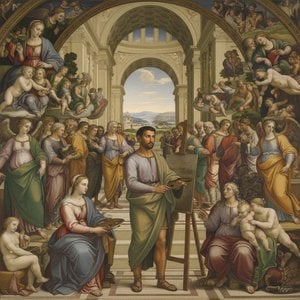
Elevate your home with the sublime harmony of Raphael’s masterpieces. Explore iconic High Renaissance works, from St. George to The School of Athens, and discover how premium, hand-painted reproductions can transform your space into a sanctuary of classical elegance and timeless beauty.

Explore the profound secrets of classical oil painting. From the delicate mastery of glazing to the dramatic depth of chiaroscuro, discover the timeless techniques used by Old Masters to create enduring, museum-quality masterpieces that capture light and emotion.


최신 미술 뉴스, 특별 혜택 및 인테리어 아이디어를 가장 먼저 만나보세요.
프로젝트에 대해 알려주시면 저희 미술 전문가들이 맞춤형 아트 제안 3가지를 전달해 드립니다.
당신만을 위한 맞춤형 옵션 3가지를 무료로 추천해 드립니다!


 미리보기
미리보기
 공유하기
공유하기 공유하기
공유하기
 상세 정보
상세 정보

 다운로드
다운로드
 유사 작품
유사 작품 X-레이
X-레이 슬라이드 쇼

 더 보기
더 보기









 유리 옵션은 110cm 미만 크기에서만 선택 가능합니다.


