
원하는 크기와 액자로 주문 제작되는, 작가들이 직접 캔버스에 손으로 그린 유화 작품입니다. ( 프린트 판매로 전환 디지털 이미지로 전환)





























작품의 원본 비율을 유지하는 미리 설정된 크기 중에서 선택하세요.

특정 프레임이나 공간에 맞도록 직접 크기를 입력할 수 있습니다. 선택하신 크기가 원본 이미지의 비율과 일치하지 않는 경우, 작품을 자르거나 추가적인 손으로 그린 요소를 사용하여 그림을 확장합니다. 제작 시작 전 승인을 위해 디지털 목업을 보내드립니다.
화면 미리 보기는 실제 자르기 또는 확장을 반영하지 않습니다. 최종 구성은 목업을 통해서만 정확하게 확인하실 수 있습니다.
맞춤 크기 제작도 가능하지만, 원본 비율을 유지하기 위해 사전 정의된 목록에서 크기를 선택하시는 것을 권장합니다.

Madonna and Child Enthroned with Saints
복제본 크기
Raphael’s Madonna and Child Enthroned with Saints is more than just a painting; it's a profound meditation on faith, divinity, and the harmonious balance of earthly and celestial realms. Created around 1504 in Urbino, Italy, this oil-on-wood masterpiece stands as a testament to Raphael’s unparalleled skill – his mastery of perspective, anatomy, and composition coalescing into an image of serene beauty and spiritual depth. Originally commissioned for the Franciscan convent of Sant'Antonio da Padova in Perugia, it quickly gained renown and eventually found its home within the prestigious Metropolitan Museum of Art in New York City, joining a remarkable collection of artistic treasures.
The painting’s genesis lies within the High Renaissance, a period characterized by a renewed interest in classical ideals and a celebration of human potential. Raphael, deeply influenced by artists like Leonardo da Vinci and Michelangelo, yet forging his own distinct style, expertly blended these influences with a profound sense of grace and order. The composition itself is meticulously crafted – a carefully arranged tableau featuring the Virgin Mary seated on an elaborate throne, surrounded by a host of saints, angels, and biblical figures. This arrangement isn’t merely decorative; it's a symbolic representation of the Church’s hierarchy and the interconnectedness of heaven and earth.
Notice the vibrant palette – rich reds, blues, and golds dominate the scene, creating an atmosphere of opulence and reverence. Raphael’s use of light is particularly noteworthy, bathing the figures in a soft, ethereal glow that emphasizes their beauty and serenity. The drapery flows with incredible realism, suggesting movement and texture while simultaneously contributing to the painting's overall sense of harmony. The architectural setting – a grand arched doorway – serves as a visual anchor, drawing the viewer’s eye into the heart of the scene and reinforcing the painting’s monumental scale.
Raphael’s genius lies not only in his ability to capture beauty but also in his technical mastery. He employed techniques honed through years of diligent study, including meticulous anatomical detail – evident in the Virgin Mary's delicate features and the youthful grace of the Christ Child – and a sophisticated understanding of perspective. The use of *sfumato*, a subtle blurring technique, softens edges and creates an atmospheric effect that adds depth and realism to the scene.
The painting’s oil-on-wood medium allowed Raphael to achieve incredible detail and luminosity. He skillfully layered thin glazes of paint, building up color gradually to create a rich, textured surface. The meticulous attention to detail extends to every element of the composition – from the intricate folds of the drapery to the delicate expressions on the faces of the saints. The painting’s scale is also significant; measuring approximately 67-7/8 inches by 67-7/8 inches, it commands attention and invites prolonged contemplation.
The Madonna and Child Enthroned with Saints holds a fascinating place in art history. It’s part of the larger Colonna Altarpiece, commissioned by the wealthy and influential Colonna family in Rome. The altarpiece was intended for the Franciscan convent of Sant'Antonio da Padova, reflecting the family’s patronage of the arts and their commitment to religious devotion. The painting’s journey through history is remarkable – it passed through numerous hands before finding its final resting place at the Metropolitan Museum of Art.
Alongside the main panel are five smaller panels forming the *predella*, or lower part of the altarpiece, which depict scenes from the life of Christ. These predella panels—now scattered across various museums including the National Gallery in London, the Isabella Stewart Gardner Museum in Boston, and the Dulwich Picture Gallery in London—offer a glimpse into the complete narrative of the Colonna commission. The presence of these related works adds another layer of richness to the painting’s historical significance.
Beyond its technical brilliance, the Madonna and Child Enthroned with Saints is laden with symbolism. The throne upon which Mary sits represents her divine authority and her role as Queen of Heaven. The saints surrounding her represent various figures from the Bible and Christian tradition – Peter, Catherine, Lucy, and Paul—each embodying different virtues and offering prayers for the Virgin and Child. The inclusion of angels further emphasizes the painting’s celestial themes.
The overall effect is one of profound serenity and spiritual resonance. The painting invites viewers to contemplate the mysteries of faith, the beauty of divine love, and the interconnectedness of humanity and the heavens. It's a work that continues to inspire awe and admiration centuries after its creation, solidifying Raphael’s legacy as one of the greatest artists in history.
WahooArt.com offers exquisite hand-painted reproductions of this masterpiece, allowing you to bring the beauty and spiritual depth of Raphael’s Madonna and Child Enthroned with Saints into your home or office. View our reproduction here.

1483년, 이탈리아 우르비노에서 태어난 라파엘로 산치오 다 우르비노, 그는 역사 속에서 ‘라파엘’이라는 이름으로 영원히 기억될 것입니다. 그의 삶은 바로크 건축과 예술의 중심지였던 우르비노 공국의 문화적 풍요 속에서 시작되었습니다. 아버지 조반니 산티 역시 공국에 고용된 화가이자 시인이었으며, 르네상스 사상의 흐름을 읽고 새로운 예술적 아이디어를 적극적으로 수용한 인물이었습니다. 이러한 환경은 어린 라파엘에게 예술과 학문이 결합된 균형 잡힌 감수성을 심어주었고, 그의 작품 세계에 깊은 영향을 미쳤습니다. 아버지의 갑작스러운 죽음 이후, 라파엘은 젊은 나이에 가족 작업장을 이끌며 그림 실력을 갈고 닦았고, 섬세한 표현과 부드러운 선이 특징인 초기 작품들에서 그의 재능을 엿볼 수 있습니다.
라파엘의 예술적 여정은 끊임없는 변화와 성장의 연속이었습니다. 페루지노에게 그림을 배우며 움브리아 스타일의 기반을 다졌지만, 그는 안주하지 않고 더 넓은 세상으로 나아가고자 했습니다. 1504년, 예술 혁신의 중심지였던 피렌체로 향한 라파엘은 레오나르도 다 빈치와 미켈란젤로의 걸작들을 직접 마주하며 깊은 감명을 받았습니다. 그는 두 거장의 기법을 탐구하고 분석하며 자신만의 독창적인 스타일을 구축하기 위해 노력했습니다. 특히 레오나르도의 스푸마토 기법, 즉 부드러운 명암 대비를 통해 형태를 표현하는 방식과 미켈란젤로의 인체 해부학적 정확성과 역동적인 구성을 연구하며 자신의 예술 세계에 새로운 가능성을 불어넣었습니다. 피렌체에서의 경험은 라파엘에게 깊은 영향을 미쳐, 그의 작품에서 더욱 풍부한 감정과 생동감을 느낄 수 있게 해주었습니다.
1508년, 교황 율리우스 2세의 초청으로 라파엘은 로마행을 결정하며 자신의 예술적 역량을 본격적으로 발휘할 기회를 맞이합니다. 영원한 도시 로마는 그에게 무대이자 영감의 원천이었으며, 바티칸 궁전의 벽면을 장식하는 대규모 프레스코화 작업을 통해 그의 명성은 더욱 높아졌습니다. 특히 ‘아테네 학당’은 라파엘의 대표작으로 손꼽히며, 고대 그리스 철학자들의 모습을 생생하게 묘사하여 지성과 예술이 조화를 이루는 르네상스 시대의 이상을 구현했습니다. 또한, 교황 레오 10세의 의뢰를 받아 ‘세그나투라 방’과 ‘엘리오도로 방’ 등의 프레스코화 작업을 진행하며 종교적 주제와 세속적인 이야기를 능숙하게 조화시키는 그의 재능을 증명했습니다. 이러한 작업들은 라파엘을 단순한 화가를 넘어, 시대의 정신을 반영하는 위대한 예술가로 자리매김하게 했습니다.
라파엘의 작품은 우아함, 명료함, 이상적인 아름다움이 절묘하게 어우러진 것이 특징입니다. 그는 움브리아 전통, 피렌체 혁신, 고대 그리스 로마 문화 등 다양한 영향을 흡수하여 자신만의 독창적인 예술 세계를 구축했습니다. 그의 구도는 정교하게 계획되어 있으며, 르네상스 시대의 원리를 반영하는 균형과 비례미를 자랑합니다. 인물들은 서정적이고 감성적인 표현을 통해 인간 본연의 아름다움을 드러내며, 보는 이로 하여금 깊은 감동을 불러일으킵니다. 또한, 그는 풍부하고 밝은 색채를 사용하여 시각적으로 매혹적이면서도 지적으로 자극하는 작품들을 창조했습니다. 미켈란젤로의 강렬하고 격렬한 스타일과는 대조적으로, 라파엘의 작품은 평온함과 조화로움이 느껴지는 것이 특징입니다.
라파엘은 37세라는 젊은 나이에 세상을 떠났지만, 그의 예술적 업적은 시대를 초월하여 후대 예술가들에게 영감을 불어넣었습니다. 그의 작품은 르네상스 시대의 미학을 대표하는 동시에, 이후 네오클래식주의 운동에 큰 영향을 미쳤습니다. 요한 요아힘 빈켈만과 같은 비평가들은 라파엘의 작품에서 고전적인 아름다움의 이상을 발견하고 이를 적극적으로 재조명했습니다. 오늘날까지도 그의 그림들은 전 세계 미술관에 전시되어 수많은 사람들에게 감동을 선사하며, 르네상스 시대 최고의 거장으로서 그의 위상은 확고히 자리 잡았습니다. 라파엘은 단순한 화가를 넘어, 인간의 아름다움과 정신적인 가치를 예술로 승화시킨 불멸의 존재입니다.

1483 - 1520 , 이탈리아

Embark on a journey through the High Renaissance. Discover the mastery of light, form, and classical harmony through an expert exploration of the era's greatest masters, techniques, and enduring artistic legacy.

Explore the profound iconography of Saint Jerome through art history's most iconic masterpieces. From Renaissance serenity to Baroque drama, discover how legendary painters captured divine devotion in breathtaking oil paintings and fine art reproductions.
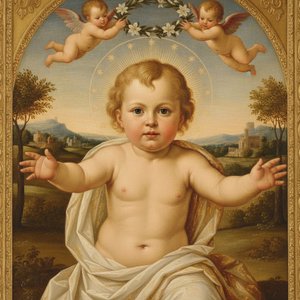
Explore the profound beauty of Baby Jesus in fine art history. From Raphael's Renaissance masterpieces to symbolic light, discover how classical painters captured divine innocence through masterful technique and sacred iconography.
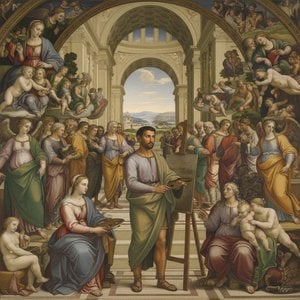
Elevate your home with the sublime harmony of Raphael’s masterpieces. Explore iconic High Renaissance works, from St. George to The School of Athens, and discover how premium, hand-painted reproductions can transform your space into a sanctuary of classical elegance and timeless beauty.
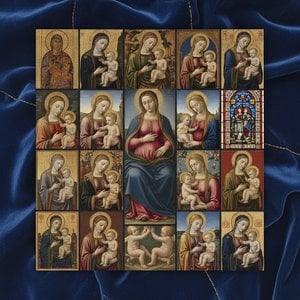
Embark on a sophisticated journey through art history with our curated guide to the most iconic Madonna and Child masterpieces. Discover the profound beauty, theological depth, and enduring legacy of these sacred Renaissance treasures.


 미리보기
미리보기
 공유하기
공유하기 공유하기
공유하기
 상세 정보
상세 정보 가이드 보기

 다운로드
다운로드
 유사 작품
유사 작품 X-레이
X-레이 슬라이드 쇼
 통계 정보
통계 정보

 더 보기
더 보기









 유리 옵션은 110cm 미만 크기에서만 선택 가능합니다.


