실제 크기로 보기 AR로 미리보기 프린트 판매로 전환 디지털 이미지 판매 채널로 전환 보내기
상세 보기 가이드 보기 즐겨찾기에 추가 이미지 다운로드 유사 작품 더 보기 X-레이 슬라이드 쇼 보기 통계 정보

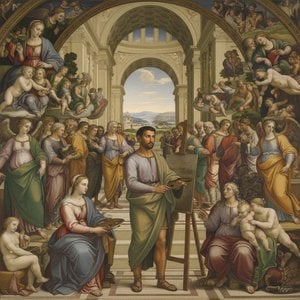
Gregory IX Approving the Decretals (detail)

Witness Raphael's mastery with 'Gregory IX Approving the Decretals.' This iconic Renaissance fresco captures papal authority & legal reform, now available as a stunning handmade oil reproduction.

라파엘로(1483-1520): 르네상스 시대의 거장으로, '아테네 학당'과 아름다운 마돈나 그림으로 유명합니다. 우르비노 출신으로 고전적 이상미를 담은 작품들은 서양 미술사에 큰 영향을 미쳤습니다.

핸드메이드 유화 복제화

작가가 직접 캔버스에 손으로 그린 유화 작품으로, 원하는 크기와 액자로 맞춤 제작해 드립니다. ( 프린트 판매로 전환 디지털 이미지 판매 채널로 전환)

P118B $10
P118H $10
P118W $10
P438Z $10
P508JH $12
P508YH $12
P805H $10
P805Z $10
P919BZ $10
P919G $10
P919XJ $10
P959ZH $10
P968JZ $12
W106C $8
W218G $10
W218JH $8
W218Y $10
W307PJ $10
W316G $10
W316PJ $8
W316Y $10
W398PJ $8
W4111J $10
W500HY $15
W500JH $15
W692G $12
W849H $8
W940BG $15
W953PJ $8

표준 규격
맞춤 제작
CM
INCH

작품의 원본 비율을 그대로 유지하는 프리셋 사이즈 중에서 선택해 보세요.

가로 너비
높이

특정 프레임이나 공간에 맞춰 원하는 크기를 직접 입력하실 수 있습니다. 선택하신 크기가 원본 이미지의 비율과 일치하지 않을 경우, 작품을 자르거나 추가적인 수작업 요소를 더해 그림을 확장하여 제작합니다. 제작 시작 전, 최종 확인을 위해 디지털 목업을 보내드립니다.
화면상의 미리 보기는 실제 크롭(자르기)이나 확장된 상태를 완벽히 반영하지 않을 수 있습니다. 최종 구도는 오직 목업을 통해서만 정확하게 확인하실 수 있습니다.
맞춤 크기 제작도 가능하지만, 원본의 비율을 그대로 유지하기 위해서는 미리 정의된 목록에서 크기를 선택하시는 것을 권장합니다.

변경 가능한 예시: 얼굴을 고객님의 사진으로 교체, 반려동물 추가(예: 고양이를 강아지로 변경), 배경에 숨겨진 메시지 삽입, 배경 풍경 또는 요소 변경 등
주문 완료 후 WahooArt.com 팀에서 상세 안내를 위해 고객님께 이메일을 보내드리며, 미리보기 시안을 함께 제공해 드립니다.

전 세계 배송()은 표준 5주 대신 3~4주 내에 완료됩니다. (26 9월). 품질에는 어떠한 타협도 하지 않습니다.

why_choose_icon
전 세계 무료 특급 배송
why_choose_icon
고품질 린넨 캔버스
why_choose_icon
배송 전 과정 보험 적용
why_choose_icon
관세 환급 보장 서비스
why_choose_icon
원본 색상 일치 보장
why_choose_icon
제조 결함 발견 시 100일 이내 반품 가능
why_choose_icon
100% 환불 보장
why_choose_icon
다량 구매 할인 혜택

총 결제 금액

$ 272

reproduction

Gregory IX Approving the Decretals (detail)

재현 매체

복제본 규격

-

총 결제 금액

$ 272

주요 정보

  • Subject or theme: Papal authority, Canon Law
  • Artist: Raphael
  • Artistic style: Neoplatonic idealism
  • Location: Vatican Palace, Rome
  • Influences: Classical ideals
  • Title: Gregory IX Approving the Decretals
  • Movement: High Renaissance

아트 퀴즈

각 질문의 정답은 하나뿐입니다.

문항 1:
What significant legal collection is Pope Gregory IX depicted approving in Raphael’s painting?
문항 2:
Which historical figure is portrayed as Pope Gregory IX in this fresco?
문항 3:
The painting ‘Gregory IX Approving the Decretals’ is part of which larger artistic project within the Vatican?
문항 4:
What is a key characteristic of Raphael’s style evident in this work?
문항 5:
The fresco depicts a moment related to which historical development?

The Weight of Papal Authority: Raphael’s ‘Gregory IX Approving the Decretals’

Raphael’s “Gregory IX Approving the Decretals,” a pivotal fresco within the Stanza della Segnatura in the Vatican, transcends mere portraiture to become a profound meditation on power, law, and the very foundations of papal authority. Completed around 1511 during the height of the High Renaissance, this work isn’t simply a depiction of a historical event; it's a carefully constructed visual argument about the legitimacy and gravity of the papacy’s legal role within Christendom. The fresco captures Pope Gregory IX in a moment of deliberate contemplation as he examines the Decretals – a collection of papal letters that served as the cornerstone of canon law for centuries – solidifying his position as both spiritual leader and supreme arbiter of religious doctrine. The scene, bathed in a rich, controlled light, immediately commands attention, drawing the viewer into the heart of this complex historical and theological drama.

A Renaissance Court in Miniature

The composition itself is meticulously balanced, reflecting the humanist ideals that were flourishing throughout Italy at the time. Raphael masterfully orchestrates a series of figures within an architectural setting designed to evoke both classical grandeur and the formality of a papal court. Gregory IX, seated on his imposing throne – a deliberate symbol of his temporal power – dominates the central space. His posture is one of solemn deliberation; he’s not issuing a decree with flamboyant gesture but rather carefully reviewing the documents before him. Surrounding him are key figures representing the ecclesiastical hierarchy: Giovanni de' Medici (later Pope Leo X), Alessandro Farnese (who would become Pope Paul III), and Cardinal del Monte, all engaged in attentive observation. These individuals weren’t merely accessories; they represent the network of advisors and officials who supported Gregory IX’s decisions and contributed to the shaping of papal law. The inclusion of these figures underscores the collaborative nature of governance within the Vatican – a subtle yet significant detail for an artist deeply influenced by humanist thought.

Symbolism Woven into the Fabric of Faith

Beyond the immediate depiction of the scene, Raphael employs a wealth of symbolic elements to deepen its meaning. The books held by Gregory IX and his advisors are not just legal documents; they represent knowledge, wisdom, and divine authority – all qualities essential for a pope acting as both judge and interpreter of God’s law. The architectural setting itself—an arcade with coffered vaults—references classical Roman design, subtly linking the papacy to the legacy of the ancient world while simultaneously asserting its enduring power. The careful use of color is also noteworthy; the rich reds and golds of Gregory's robes emphasize his status and authority, contrasting with the more subdued tones used for the surrounding figures. The very act of approving the Decretals – a collection of letters that had been compiled over centuries – symbolizes the continuity of papal law and its enduring influence on the Church’s legal system.

Raphael's Technique: A Masterclass in Composition and Light

As with much of Raphael’s work, “Gregory IX Approving the Decretals” showcases his unparalleled skill in composition and his masterful manipulation of light and shadow (chiaroscuro). The figures are rendered with remarkable realism and anatomical accuracy, yet they possess a certain idealization that reflects the Renaissance fascination with human beauty. Raphael's use of perspective creates a sense of depth and spatial coherence, drawing the viewer’s eye into the scene and immersing them in the atmosphere of the papal court. Notice how he uses subtle gradations of tone to model the forms of the figures, creating a three-dimensional effect that is both captivating and convincing. The fresco's surface demonstrates Raphael's meticulous attention to detail, from the intricate folds of the robes to the expressions on the faces of the assembled dignitaries. This level of precision speaks volumes about his dedication to his craft and his commitment to achieving visual perfection.

Bringing ‘Gregory IX Approving the Decretals’ Home

WahooArt offers exquisite, hand-painted reproductions of Raphael's “Gregory IX Approving the Decretals,” capturing the essence of this iconic masterpiece with unparalleled fidelity. Each reproduction is created by skilled artisans using traditional techniques and archival-quality materials, ensuring that your artwork will last for generations to come. Whether you’re an art collector, a design enthusiast, or simply someone seeking to add a touch of Renaissance elegance to your home or office, our reproductions provide a beautiful and authentic way to experience the power and beauty of Raphael's vision. Explore our range of sizes and framing options to find the perfect piece to complement your space – and bring the weight of papal authority into your world.

작가 소개

라파엘로: 우르비노의 빛, 르네상스 미술의 정수

1483년, 이탈리아 우르비노에서 태어난 라파엘로 산치오 다 우르비노, 그는 역사 속에서 ‘라파엘’이라는 이름으로 영원히 기억될 것입니다. 그의 삶은 바로크 건축과 예술의 중심지였던 우르비노 공국의 문화적 풍요 속에서 시작되었습니다. 아버지 조반니 산티 역시 공국에 고용된 화가이자 시인이었으며, 르네상스 사상의 흐름을 읽고 새로운 예술적 아이디어를 적극적으로 수용한 인물이었습니다. 이러한 환경은 어린 라파엘에게 예술과 학문이 결합된 균형 잡힌 감수성을 심어주었고, 그의 작품 세계에 깊은 영향을 미쳤습니다. 아버지의 갑작스러운 죽음 이후, 라파엘은 젊은 나이에 가족 작업장을 이끌며 그림 실력을 갈고 닦았고, 섬세한 표현과 부드러운 선이 특징인 초기 작품들에서 그의 재능을 엿볼 수 있습니다.

움브리아에서 피렌체로: 새로운 영감의 추구

라파엘의 예술적 여정은 끊임없는 변화와 성장의 연속이었습니다. 페루지노에게 그림을 배우며 움브리아 스타일의 기반을 다졌지만, 그는 안주하지 않고 더 넓은 세상으로 나아가고자 했습니다. 1504년, 예술 혁신의 중심지였던 피렌체로 향한 라파엘은 레오나르도 다 빈치와 미켈란젤로의 걸작들을 직접 마주하며 깊은 감명을 받았습니다. 그는 두 거장의 기법을 탐구하고 분석하며 자신만의 독창적인 스타일을 구축하기 위해 노력했습니다. 특히 레오나르도의 스푸마토 기법, 즉 부드러운 명암 대비를 통해 형태를 표현하는 방식과 미켈란젤로의 인체 해부학적 정확성과 역동적인 구성을 연구하며 자신의 예술 세계에 새로운 가능성을 불어넣었습니다. 피렌체에서의 경험은 라파엘에게 깊은 영향을 미쳐, 그의 작품에서 더욱 풍부한 감정과 생동감을 느낄 수 있게 해주었습니다.

로마의 황금기: 위대한 의뢰와 걸작 탄생

1508년, 교황 율리우스 2세의 초청으로 라파엘은 로마행을 결정하며 자신의 예술적 역량을 본격적으로 발휘할 기회를 맞이합니다. 영원한 도시 로마는 그에게 무대이자 영감의 원천이었으며, 바티칸 궁전의 벽면을 장식하는 대규모 프레스코화 작업을 통해 그의 명성은 더욱 높아졌습니다. 특히 ‘아테네 학당’은 라파엘의 대표작으로 손꼽히며, 고대 그리스 철학자들의 모습을 생생하게 묘사하여 지성과 예술이 조화를 이루는 르네상스 시대의 이상을 구현했습니다. 또한, 교황 레오 10세의 의뢰를 받아 ‘세그나투라 방’과 ‘엘리오도로 방’ 등의 프레스코화 작업을 진행하며 종교적 주제와 세속적인 이야기를 능숙하게 조화시키는 그의 재능을 증명했습니다. 이러한 작업들은 라파엘을 단순한 화가를 넘어, 시대의 정신을 반영하는 위대한 예술가로 자리매김하게 했습니다.

우아함과 웅장함의 조화: 라파엘의 예술적 특징

라파엘의 작품은 우아함, 명료함, 이상적인 아름다움이 절묘하게 어우러진 것이 특징입니다. 그는 움브리아 전통, 피렌체 혁신, 고대 그리스 로마 문화 등 다양한 영향을 흡수하여 자신만의 독창적인 예술 세계를 구축했습니다. 그의 구도는 정교하게 계획되어 있으며, 르네상스 시대의 원리를 반영하는 균형과 비례미를 자랑합니다. 인물들은 서정적이고 감성적인 표현을 통해 인간 본연의 아름다움을 드러내며, 보는 이로 하여금 깊은 감동을 불러일으킵니다. 또한, 그는 풍부하고 밝은 색채를 사용하여 시각적으로 매혹적이면서도 지적으로 자극하는 작품들을 창조했습니다. 미켈란젤로의 강렬하고 격렬한 스타일과는 대조적으로, 라파엘의 작품은 평온함과 조화로움이 느껴지는 것이 특징입니다.

불멸의 유산: 후대에 드리운 영향

라파엘은 37세라는 젊은 나이에 세상을 떠났지만, 그의 예술적 업적은 시대를 초월하여 후대 예술가들에게 영감을 불어넣었습니다. 그의 작품은 르네상스 시대의 미학을 대표하는 동시에, 이후 네오클래식주의 운동에 큰 영향을 미쳤습니다. 요한 요아힘 빈켈만과 같은 비평가들은 라파엘의 작품에서 고전적인 아름다움의 이상을 발견하고 이를 적극적으로 재조명했습니다. 오늘날까지도 그의 그림들은 전 세계 미술관에 전시되어 수많은 사람들에게 감동을 선사하며, 르네상스 시대 최고의 거장으로서 그의 위상은 확고히 자리 잡았습니다. 라파엘은 단순한 화가를 넘어, 인간의 아름다움과 정신적인 가치를 예술로 승화시킨 불멸의 존재입니다.

라파엘로

라파엘로

1483 - 1520 , 이탈리아

작가 정보 요약

  • 국적: 이탈리아인
  • 대표 작품:
    • 아테네 학당
    • 시스티나 마돈나
    • 변화
  • 사망일: 1520년 4월 6일
  • 영향을 받은 예술 사조: ['신고전주의']
  • 영향을 준 예술가:
    • 레오나르도 다 빈치
    • 미켈란젤로
    • 피에트로 페루지노
  • 예술 사조: 고전 회화 (High Renaissance)
  • 전체 이름: 라파엘로 산치오 다 우르비노
  • 출생일: 1483년 3월 28일 (또는 4월 6일)
  • 출생지: 우르비노, 이탈리아
테마, 스타일, 특징별로 큐레이션된 작품들을 만나보세요.