Oil On CanvasWallArtTonalist Landscape
 187819th Century
 137.0 x 71.0 cm
 메트로폴리탄 미술관
작가가 직접 캔버스에 손으로 그린 유화 작품으로, 원하는 크기와 액자로 맞춤 제작해 드립니다. ( 프린트 판매로 전환 디지털 이미지 판매 채널로 전환)





























작품의 원본 비율을 그대로 유지하는 프리셋 사이즈 중에서 선택해 보세요.

액자나 벽면 크기에 맞춰 필요한 가로와 세로 길이를 입력해 주세요. 본 작품은 수작업으로 제작되므로, 요청하신 비율에 따라 작가가 그림의 가장자리를 조금 더 넓게 그리거나 일부를 조정하여 작업할 수 있습니다. 작업 시작 전, 최종 확인을 위해 디지털 목업 이미지를 보내드립니다. 이 페이지에 표시된 이미지는 실제 결과물과 다를 수 있으며, 오직 목업 이미지만이 정확한 결과물을 보여줍니다.
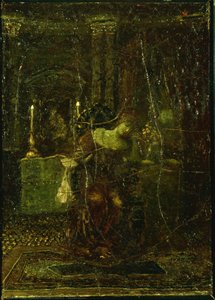
The Boulder and the Flume
복제본 규격
In the quiet, evocative realm of American Tonalism, few works capture the profound intersection of geological power and atmospheric stillness as masterfully as Ralph Albert Blakelock’s 1878 masterpiece, The Boulder and the Flume. This painting is far more than a mere topographical record of Franconia Notch; it is an immersive sensory experience that invites the viewer into a world where the boundaries between earth, water, and air seem to dissolve. Blakelock, a painter whose life was as textured and complex as his canvases, utilizes a muted, sophisticated palette to evoke the damp, heavy air of the White Mountains. The scene presents a dramatic cleft in the granite bedrock, where a colossal boulder sits poised with a sense of precarious majesty above a rushing stream. There is an inherent tension in this composition—a silent dialogue between the immovable weight of the stone and the kinetic energy of the flowing water.
To gaze upon this work is to witness the artist’s profound ability to translate emotion into landscape. Unlike the Impressionists, who sought to capture the fleeting sparkle of sunlight, Blakelock was a poet of the twilight and the mist. He prioritized the sublime—that specific Romantic feeling of awe mixed with a touch of trepidation when faced with the untamed forces of nature. Through subtle gradations of brown, gray, and ochre, he simulates a diffused, ethereal light that suggests a sun struggling to pierce through a dense mountain canopy. For the collector or interior designer, this piece offers a sense of grounded tranquility; it possesses a rhythmic, meditative quality that can anchor a room, providing a focal point that encourages deep contemplation and a connection to the primordial beauty of the natural world.
The technical brilliance of The Boulder and the Flume lies in Blakelock’s virtuosic use of impasto. He did not merely paint a landscape; he sculpted it upon the canvas. By applying thick, deliberate layers of oil paint, Blakelock created a palpable surface that mirrors the rugged, weathered texture of the granite and the mossy crevices of the forest floor. These visible, rhythmic brushstrokes serve a dual purpose: they provide a physical dimension to the artwork and enhance the illusion of luminosity, as the raised paint catches the light in a way that mimics the natural glisten of wet stone and spray. This tactile approach ensures that the painting remains dynamic, even in its most somber moments.
Beyond the surface, the historical significance of this work resides in its role as a cornerstone of the Tonalist movement. Blakelock’s ability to weave together his personal experiences—including the memories of his travels through the American West and the rugged landscapes of New Hampshire—into a unified aesthetic vision is unparalleled. The painting serves as a bridge between the literal landscape and the internal psychological state. For those seeking to adorn a space with art that possesses both historical weight and contemporary elegance, this reproduction offers an exquisite opportunity to bring the soulful, atmospheric essence of 19th-century American Romanticism into a modern setting.
랠프 알버트 블래클록의 "The Boulder and the Flume"과(와) 관련된 미술 사조는 Tonalist Landscape입니다. 이러한 분류를 통해 해당 작품을 관련 작가 및 예술 작품들과 함께 파악할 수 있습니다.
랠프 알버트 블래클록의 "The Boulder and the Flume"은(는) Tall 구도로 이루어져 있습니다. 프린트 크기를 결정하시기 전에 비율을 확인해 보시는 것이 좋습니다.
"The Boulder and the Flume"의 슬라이드쇼는 작품의 슬라이드쇼 페이지에서 감상하실 수 있습니다.


1847 - 1919 , 미국

Embark on a visual journey through history's most iconic landscapes. Discover the mastery of Impressionism and the sublime power of nature through our expert guide to classical landscape art, curated for the discerning collector and fine art enthusiast.

Elevate luxury interiors with exquisite mountain oil painting reproductions. From Romanticism to the Hudson River School, WahooArt offers bespoke, hand-painted masterpieces and large-scale murals tailored for hotel designers and elite collectors worldwide.

Discover the profound serenity of timeless pastoral landscapes. From Impressionist masterpieces to bespoke oil commissions, explore how curated fine art brings the enduring beauty and tranquility of nature into your luxury home interior.

 실제 크기로 보기
 보내기
보내기 공유하기
공유하기
 상세 보기
상세 보기 가이드 보기

 이미지 다운로드
 유사 작품 더 보기
 X-레이
X-레이 슬라이드 쇼 보기
 Q&A
Q&A 통계 정보
통계 정보 상세 보기
상세 보기









 유리 옵션은 110cm 미만 크기에서만 선택 가능합니다.