
빠른 제작과 다양한 마감 옵션을 제공하는 박물관 품질의 지클레이 또는 캔버스 프린트. ( 손으로 그린 그림 구매 디지털 이미지로 전환)





























작품의 원본 비율을 유지하는 미리 설정된 크기 중에서 선택하세요.

특정 프레임이나 공간에 맞춰 직접 치수를 입력하실 수 있습니다. 선택하신 사이즈가 원본 이미지의 비율과 일치하지 않을 경우, 작품을 크롭(자르기)하거나 이미지를 대칭 또는 단색 채우기로 확장하여 제작합니다. 제작 시작 전, 최종 확인을 위해 디지털 목업이 전송됩니다.
화면상의 미리보기는 실제 크롭이나 확장 상태를 반영하지 않으므로, 최종 구도는 오직 목업을 통해서만 정확하게 확인하실 수 있습니다.
맞춤 사이즈 제작도 가능하지만, 원본 비율을 유지하기 위해서는 사전 정의된 목록에서 치수를 선택하시는 것을 권장합니다.

Rita Teforas
복제본 크기
“Rita Teforas,” created by quim larrea i arbós in 2013, stands as an arresting example of contemporary ceramic art—a piece that simultaneously honors the heritage of Spanish craft traditions while embracing the principles of minimalist design. Larrea’s studio, nestled in Barcelona’s vibrant artistic landscape, has consistently championed a fusion between meticulous technique and conceptual clarity.
Subject Matter & Style: The pitcher itself is deceptively simple—a cylindrical form rendered in earthy brown clay. This understated aesthetic deliberately eschews ornamentation, prioritizing the inherent beauty of the material and its tactile qualities. However, beneath this surface lies a profound engagement with natural forms, reflecting Larrea’s fascination with organic textures and geometries.
Technique: Larrea employs a masterful blend of hand-building methods—primarily coil construction—to sculpt the vessel. Each coil is carefully layered upon itself, gradually shaping the pitcher's contours. This painstaking process demands considerable skill and patience, resulting in a surface that possesses subtle irregularities – marks of the artist’s hand—that contribute to its character and authenticity. The clay undergoes multiple firings at high temperatures, transforming it into durable ceramic material.
Historical Context & Symbolism: Ceramic production has deep roots in Spanish history, dating back millennia. Vessels like Teforas evoke images of rural Spain – the potter’s wheel spinning amidst olive groves and vineyards—a visual shorthand for resilience and connection to the land. The brown clay color itself carries symbolic weight, representing earthiness, stability, and grounding.
Emotional Impact: Viewing “Rita Teforas” invites contemplation. Its quiet elegance speaks to a desire for calm and simplicity in our increasingly hectic lives. The pitcher’s tactile surface encourages engagement—a reminder of the human element inherent in craft traditions. Ultimately, Larrea's piece succeeds in conveying a sense of understated beauty and timelessness.
Design Museum Barcelona Collaboration: This ceramic artwork was conceived for the Design Museum of Barcelona, furthering Larrea’s commitment to showcasing innovative artistic expressions within public spaces. Its inclusion underscores the museum’s dedication to exploring the intersection between art and design—a dialogue that continues to inspire collectors and interior decorators alike.

Born in the vibrant cultural landscape of Barcelona in 1957, Quim Larrea i Arbós has emerged as a polymathic force whose influence stretches far beyond the traditional boundaries of a single discipline. As an architect, designer, and journalist, his career is defined by a profound interconnectedness between the built environment, the written word, and the delicate nuances of object design. Educated at the prestigious Escola Tècnica Superior d'Arquitectura de Barcelona (ETSAB), Larrea began his professional journey in the 1980s, a period marked by a transformative shift in Spanish urban identity. His work does not merely occupy space; it seeks to dialogue with it, blending the structural rigor of architecture with the poetic sensibilities of a designer.
The essence of Larrea’s artistry lies in his ability to navigate between the monumental and the minute. While much of his professional legacy is rooted in the grand scales of urban planning and architectural development, he possesses a rare talent for capturing the intimate. This duality is perhaps most beautifully realized in his foray into ceramic art. His piece Rita Teforas, a delicate ceramic work created for the Design Museum of Barcelona, serves as a poignant testament to his mastery over form and material. Measuring just 5 x 16 cm, this small-scale creation carries the same weight of intentionality and structural grace found in his larger architectural endeavors, proving that true design excellence is scale-independent.
Beyond the physical structures he has helped shape, Larrea has significantly influenced the intellectual fabric of Spanish culture through his prolific contributions to journalism. He has acted as a vital conduit for architectural discourse, writing extensively for renowned publications such as El País and serving on the editorial boards of influential journals like El Croquis and Arquitectura Viva. Through these platforms, he has shaped the way a generation perceives urbanism, design, and the evolving role of the city in modern society. His writing is not merely descriptive but serves as a critical lens through which the complexities of contemporary architecture are examined and understood.
His academic and institutional contributions further solidify his standing within the global artistic community. As a professor at ETSAB, Larrea has dedicated himself to nurturing the next generation of architects, passing on a philosophy that integrates design, urbanism, and cultural awareness. His prestigious membership in the Real Academia de Bellas Artes de San Fernando—one of Spain's most venerable cultural institutions—is a profound recognition of his multifaceted impact. This honor places him within a lineage of great Spanish masters, acknowledging that his work transcends simple construction to become a vital part of the nation's artistic heritage.
The accolades bestowed upon Larrea reflect a career defined by excellence and versatility:

1957 - , Spain
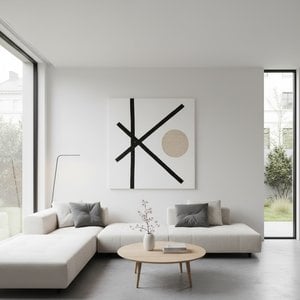
Discover how minimalist art elevates modern interiors. Explore the transformative power of geometric sculptures, tactile textures, and curated simplicity to create a luxurious, tranquil sanctuary in your home through expert design principles.

Master the nuances of three-dimensional art with our expert guide. Explore sculptural history, from Phidias to Neoclassicism, and learn to evaluate materiality, form, and technique like a true connoisseur. Elevate your collection with profound insights into the world of sculpture.

Explore the profound elegance of ceramic art. From master glazes to sculptural forms, our expert guide offers discerning collectors deep insights into the mastery, texture, and timeless value of fine ceramics for sophisticated collections and luxury interiors.


 미리보기
미리보기
 공유하기
공유하기 공유하기
공유하기
 상세 정보
상세 정보 Guide
Guide

 다운로드
다운로드
 유사 작품
유사 작품 X-레이
X-레이 슬라이드 쇼
 통계 정보
통계 정보


 더 보기
더 보기









 유리 옵션은 110cm 미만 크기에서만 선택 가능합니다.


