
빠른 제작과 다양한 마감 옵션을 제공하는 박물관 품질의 지클레이 또는 캔버스 프린트. ( 손으로 그린 그림 구매 디지털 이미지로 전환)





























작품의 원본 비율을 유지하는 미리 설정된 크기 중에서 선택하세요.

특정 프레임이나 공간에 맞춰 직접 치수를 입력하실 수 있습니다. 선택하신 사이즈가 원본 이미지의 비율과 일치하지 않을 경우, 작품을 크롭(자르기)하거나 이미지를 대칭 또는 단색 채우기로 확장하여 제작합니다. 제작 시작 전, 최종 확인을 위해 디지털 목업이 전송됩니다.
화면상의 미리보기는 실제 크롭이나 확장 상태를 반영하지 않으므로, 최종 구도는 오직 목업을 통해서만 정확하게 확인하실 수 있습니다.
맞춤 사이즈 제작도 가능하지만, 원본 비율을 유지하기 위해서는 사전 정의된 목록에서 치수를 선택하시는 것을 권장합니다.

Ecce Homo (detail)
복제본 크기
The image before you is not merely a depiction of Christ; it’s an invitation into the heart of human reaction, a meticulously rendered tableau of judgment and sorrow. This detail from Quentin Massys' "Ecce Homo," painted in 1526, captures a pivotal moment – the presentation of Jesus to a hostile crowd, a scene brimming with psychological depth and unsettling realism. Massys, a key figure in establishing the Antwerp School’s distinctive style, masterfully utilizes oil paint on panel to achieve an astonishing level of detail, imbuing each face with a palpable sense of emotion.
Massys' approach diverges significantly from earlier depictions of this biblical episode. Instead of presenting a serene, sacrificial figure, he confronts the viewer with the raw, unfiltered responses of those present. The composition is dominated by a chaotic throng, their faces a study in varying degrees of scorn, mockery, and bewildered apathy. Notice how Massys doesn’t shy away from portraying the ugliness of human behavior – the leering expressions, the grasping hands, the blatant disregard for the man before them. This wasn't simply an attempt to illustrate a religious narrative; it was a profound exploration of humanity’s capacity for both cruelty and indifference.
The technical brilliance of “Ecce Homo (detail)” is immediately apparent. Massys demonstrates an extraordinary understanding of human anatomy, meticulously rendering the musculature, wrinkles, and expressions on each face. The figures are not idealized; they possess a tangible physicality, reflecting the artist’s interest in capturing the nuances of individual character. Crucially, Massys employs dramatic chiaroscuro – the skillful use of light and shadow – to heighten the emotional impact. Strong contrasts between illuminated faces and shadowed masses draw the eye to key elements within the composition, creating a sense of theatrical intensity.
The lighting itself seems to amplify the scene’s unsettling atmosphere. The figures closest to Christ are bathed in a harsh, almost unforgiving light, while those further back remain shrouded in darkness. This technique emphasizes Christ's vulnerability and isolation, highlighting his position as the object of public scorn. Massys’ use of color is equally deliberate; muted earth tones dominate the scene, punctuated by the vibrant red of the robe worn by Christ – a stark contrast that draws attention to his suffering.
Beyond its technical mastery, “Ecce Homo (detail)” is rich in symbolic meaning. The figures surrounding Jesus represent not just individual reactions but also broader themes of judgment, betrayal, and the consequences of indifference. The man pointing at Christ with a furious expression embodies the mob’s collective outrage, while the figure pulling Christ's beard symbolizes the act of defiance and mockery. Even seemingly minor details – such as the turban worn by one of the onlookers – carry symbolic weight, hinting at the exotic and unsettling nature of the scene.
The inclusion of figures like the “old fool” with glazed eyes speaks to a deeper commentary on humanity’s capacity for blindness and apathy. Massys isn't simply depicting a historical event; he is offering a timeless meditation on human nature, prompting viewers to confront their own roles in perpetuating cycles of judgment and cruelty. The painting serves as a potent reminder that even the most seemingly insignificant actions can contribute to a climate of disrespect and indifference.
“Ecce Homo (detail)” by Quentin Massys remains a profoundly moving work of art, captivating viewers with its raw emotional intensity and technical brilliance. It’s more than just a religious painting; it's a powerful exploration of human psychology, social dynamics, and the enduring consequences of judgment. Reproductions of this masterpiece offer an opportunity to bring this hauntingly beautiful image into your home or office, serving as a constant reminder of the complexities of human nature and the importance of empathy and compassion. Consider how its dramatic lighting and carefully rendered faces can transform any space, adding depth and intrigue to your surroundings.

16세기 저지대 국가들의 활기차고 급성장하던 풍경 속에서, 퀸틴 마시스만큼 기초적인 중요성을 지닌 이름은 드뭅니다. 안트베르펜 학파의 선구자로 널리 알려진 마시스는 초기 네덜란드 전통의 세밀하고 영적인 헌신과 북유록 르네상스의 태동하는 인문주의 사이의 간극을 메운 화가였습니다. 벨기에 루뱅에서 약 1466년경 태어난 그의 초기 생애는 전설과 역사적 파편들이 얽힌 한 폭의 태피스트리와 같습니다. 미술사에서는 그가 섬세한 붓을 잡기 전, 대장장이로서 훈련받았다는 이야기가 널리 전해지는데, 이 사실은 훗날 그가 보여준 질감과 재료에 대한 경이로운 숙련도에 깊고 촉각적인 무게감을 더해줍니다. 이러한 금속 공예 배경은 아마도 그에게 물리적 세계에 대한 독특한 경외심을 심어주었을 것이며, 덕분에 그는 실크의 광택, 동전의 차가운 빛, 그리고 인간의 풍화된 피부를 타의 추종을 불허하는 정밀함으로 그려낼 수 있었습니다.
1490년경 루뱅의 학구적인 분위기를 떠나 안트베르펜이라는 북적이는 상업 중심지로 이동하면서, 마시스는 플랑드르 예술의 결 속에 자신만의 독특한 실을 엮어 넣기 시작했습니다. 아마도 디르크 보츠의 지도 아래 이루어졌을 그의 초기 교육은 한스 멤링이나 로지에르 반 데르 베이덴과 같은 거장들의 계보와 그를 연결해 주었습니다. 그는 이러한 선구자들로부터 재현의 진실성, 즉 verisimilitude를 추구하는 열정을 물려받았습니다. 그러나 마시스는 단순한 모방자에 머물지 않았습니다. 그는 조상들의 특징인 정교한 디테일을 유지하면서도, 종교적 엄숙함과 날카로운 사회적 풍자를 통해 인간 조건의 복잡성을 탐구하려는 새로운 생명력을 자신의 작품에 불어넣었습니다.
마시스의 천재성은 성스러움과 속됨이라는, 서로 상반되어 보이는 두 세계를 항해하는 놀라운 능력에 있습니다. 한편으로 그의 종교적 구성은 신앙에 대한 깊은 명상 역할을 합니다. 기증자가 함께 있는 십자가 위의 그리스도와 같은 작품에서 그는 십자가 처형의 가공되지 않은 감정적 무게를 포착하며, 하이 르네상스의 감수성을 활용해 깊은 감동을 주는 동시에 기술적으로 결점 없는 장면을 제시합니다. 인간의 고통이라는 렌즈를 통해 신성을 묘사하는 그의 능력은 종교적 주제가 관람객에게 본능적인 친밀감으로 다가가게 했으며, 영적인 것을 손에 잡힐 듯 생생하게 만들었습니다.
반대로 마시스는 풍자 장르의 거장이기도 했으며, 붓을 사용하여 당대의 변화하는 사회적 도덕을 비추는 거울로 삼았습니다. 그는 인간의 어리석음을 포착하는 예리한 눈을 가졌고, 종종 사실주의와 미묘하고 조롱 섞인 위트를 결합한 장면들을 만들어냈습니다. 이러한 이중성은 그의 초상화와 풍속화 접근 방식에서 가장 분명하게 드러나는데, 그는 성모자와 아기의 평온한 아름다움에서부터 현대 삶의 복잡하고 도덕적으로 층위가 있는 묘사로 자유자재로 전환할 수 있었습니다. 그의 작품은 종종 탐욕, 허영심, 그리고 물질적 부와 영적 순결 사이의 긴장감을 탐구했으며, 이는 그를 향후 수 세기 동안 이어질 위대한 풍속화가들의 선구자로 만들었습니다.
퀸틴 마시스의 역사적 중요성은 아무리 강조해도 지나치지 않습니다. 그는 안트베르펜 예술 혁명의 촉매제였습니다. 고국의 풍요로운 전통에 뿌리를 두면서도 새로운 모티프와 기법을 도입함으로써, 그는 16세기 내내 플랑데르를 지배하게 될 회화 학파의 청사진을 제공했습니다. 그의 영향력은 북유럽 예술의 진화 과정을 통해 추적될 수 있으며, 그는 현대화되는 세계의 복잡성을 포용하는 더욱 표현적이고 관찰적인 스타일이 나아갈 길을 닦았습니다.
오늘날 우리는 마시스를 단순한 장인이 아니라 한 시대의 영혼을 포착한 이야기꾼으로 기억합니다. 그의 유산은 다음과 같은 이미지의 지속적인 힘 속에 보존되어 있습니다:

1466 - 1530 , 벨기에
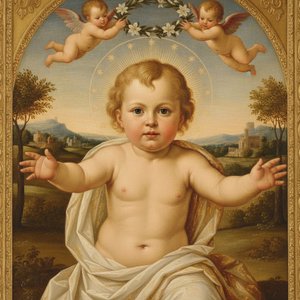
Explore the profound beauty of Baby Jesus in fine art history. From Raphael's Renaissance masterpieces to symbolic light, discover how classical painters captured divine innocence through masterful technique and sacred iconography.


 미리보기
미리보기
 공유하기
공유하기 공유하기
공유하기
 상세 정보
상세 정보

 다운로드
다운로드
 유사 작품
유사 작품 X-레이
X-레이 슬라이드 쇼
 통계 정보
통계 정보


 더 보기
더 보기









 유리 옵션은 110cm 미만 크기에서만 선택 가능합니다.


