

이 페이지에 표시된 작품은 저작권법의 보호를 받으며, 이에 따라 동일한 복제품을 제작하거나 판매하는 것은 법으로 금지되어 있습니다. 이러한 권리 보호는 다음과 같은 국제 협약에 따라 시행됩니다. 베른 협약 또한 다음에서 명시하는 법률을 포함한 국내법에 의해 보호됩니다. 미국 저작권법 제17조.
저희는 존중을 담은 합법적인 대안으로서, 원작에서 영감을 받은 맞춤형 수제 유화 작품을 제공합니다. 저희의 숙련된 전문 화가들은 원작의 스타일, 분위기, 예술적 정수를 면밀히 연구하여, 그 자체로 독창적인 창작물이면서도 원작과 동일한 감동을 불러일으키는 새로운 작품을 만들어냅니다.
이 방식은 저작권 보호를 받는 예술 작품을 복제하거나 그대로 재현하는 것이 아니기에 저작권 규정을 완벽히 준수합니다. 대신, 이는 창의적인 재해석의 과정을 거칩니다. 즉, 원작에서 영감을 받되 원작과 동일하지 않은 새로운 회화 작품을 의미합니다.
작가가 직접 캔버스에 손으로 그린 유화 작품으로, 원하는 크기와 액자로 맞춤 제작해 드립니다. ( 프린트 판매로 전환 디지털 이미지 판매 채널로 전환)





























작품의 원본 비율을 그대로 유지하는 프리셋 사이즈 중에서 선택해 보세요.

액자나 벽면 크기에 맞춰 필요한 가로와 세로 길이를 입력해 주세요. 본 작품은 수작업으로 제작되므로, 요청하신 비율에 따라 작가가 그림의 가장자리를 조금 더 넓게 그리거나 일부를 조정하여 작업할 수 있습니다. 작업 시작 전, 최종 확인을 위해 디지털 목업 이미지를 보내드립니다. 이 페이지에 표시된 이미지는 실제 결과물과 다를 수 있으며, 오직 목업 이미지만이 정확한 결과물을 보여줍니다.
Ritual Processional
복제본 규격
Purvis Young’s “Ritual Processional,” painted in 1985-1999, isn’t merely a depiction of a gathering; it’s an immersive experience. It’s a vibrant snapshot pulled from the heart of Overtown, Miami – a neighborhood that pulsed with both hardship and resilience during Young's lifetime. The painting immediately assaults the senses with its unapologetic energy: a dense throng of figures moving within a claustrophobic space, bathed in the warm glow of an unseen light source. It’s a scene brimming with movement, a feeling of collective purpose—a ritual unfolding before our eyes.
Young, largely self-taught and working outside traditional art circles, eschewed polished techniques for a directness that resonated powerfully with his subjects. He utilized inexpensive materials – wood scraps, cardboard, and house paint – transforming discarded objects into canvases brimming with life. This deliberate choice speaks volumes about Young’s philosophy: art wasn't about prestige or refinement; it was about capturing the essence of everyday experience, particularly within marginalized communities. The slightly rough texture of the paint, the visible layering of materials, all contribute to a sense of immediacy and authenticity—as if you could reach out and feel the heat of Overtown’s summer sun on your skin.
The figures themselves are remarkably diverse, rendered with an astonishing lack of detail. They aren't portraits; they represent a collective, a community engaged in something significant. Some appear to be leading the procession, their gestures emphatic and directed. Others seem lost in contemplation, absorbed in the moment. The sheer number of individuals—a multitude coalescing into a single force—underscores the strength and solidarity of Overtown’s residents. Notice the varying heights and sizes; this isn't an attempt at photographic realism but rather a celebration of human diversity.
The background, rendered in a bold yellow hue, acts as both a stage and a symbolic anchor. It’s not a realistic landscape; it’s an intensified color field that amplifies the energy of the scene. Some art historians suggest this vibrant backdrop represents the hope and optimism that persisted within Overtown despite its challenges. The lack of specific details in the background further emphasizes the figures themselves, drawing our attention to their actions and emotions.
Purvis Young’s work emerged during a period of profound social change in Miami. Overtown was undergoing gentrification, facing displacement and economic hardship. Young's art became a powerful voice for his community, documenting its struggles and celebrating its spirit. He wasn’t interested in creating pretty pictures; he wanted to tell the stories of the people who lived there – their hopes, their fears, their resilience.
His influence extends far beyond Miami. Young's raw, emotive style paved the way for a new generation of outsider artists and street artists. He demonstrated that art could be created anywhere, by anyone, and that it didn’t need to conform to traditional notions of beauty or skill. The painting’s directness and emotional honesty continue to resonate with audiences today, reminding us of the power of art to connect us to our shared humanity.
Reproductions of “Ritual Processional” offer a remarkable opportunity to bring a piece of Overtown’s soul into your own space. When selecting a reproduction, consider the quality of materials and printing techniques. A high-quality print on archival paper will ensure that the colors remain vibrant for years to come. The scale of the reproduction is also important; a larger format will allow you to fully appreciate the painting's intricate details and dynamic composition. Ultimately, a carefully chosen reproduction can serve as a powerful reminder of Purvis Young’s legacy – a testament to the enduring spirit of Overtown and the transformative power of art.
퍼비스 영의 "Ritual Processional"은(는) Neutrals 색조의 팔레트를 사용하며, Rosy Brown (#bdb678)이(가) 주된 색상을 이룹니다.
퍼비스 영의 작품 활동 중 "Ritual Processional"은(는) Late Period 시기에 해당합니다. 이 시기는 작가의 다른 작품들과 비교해 보는 데 도움이 됩니다.
"Ritual Processional"은(는) ritual, processional, overtown, figures, mural, community, african american, spirituality을(를) 묘사하고 있는 반면, 퍼비스 영의 기존 주제들은 overtown life, street art, african american experience, social commentary, protest, spiritual, ritual imagery, unique입니다. 이 두 가지를 비교해 보면 해당 작품이 작가의 통상적인 소재와 어떻게 연관되는지 알 수 있습니다.

1943 - 2010 , 미국

Elevate your digital artistry with our expert guide to mastering collage. Learn professional techniques for layering textures, blending imagery, and creating profound visual narratives through advanced digital composition and modern creative workflows.
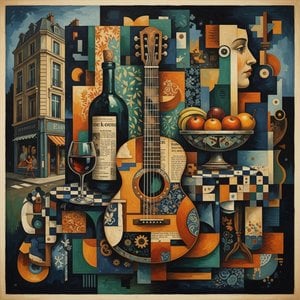
Master the vibrant world of Synthetic Cubism with our expert guide. Explore the revolutionary techniques of Picasso and Braque, from collage to color, and discover how this movement redefined modern art for collectors and connoisseurs alike.

 실제 크기로 보기
 보내기
보내기 공유하기
공유하기
 상세 보기
상세 보기 가이드 보기

 이미지 다운로드
 유사 작품 더 보기
 X-레이
X-레이 슬라이드 쇼 보기
 통계 정보
통계 정보


 상세 보기
상세 보기









 유리 옵션은 110cm 미만 크기에서만 선택 가능합니다.


