The Enduring Spirit of the Pomo: A Legacy in Art
The name “Pomo” itself—a confluence of indigenous words meaning “those who live at red earth hole”—holds a profound resonance, encapsulating both the land and the people’s deep connection to it. More than just a tribe inhabiting Northern California, the Pomo represent a vibrant culture shaped by millennia of interaction with the landscape, a legacy now powerfully expressed through the art of individuals like pomo (often spelled “Pomo”), an artist whose work offers a rare glimpse into their world. Born in the United States of America, and continuing to create today, pomo’s artistic journey is inextricably linked to the history and traditions of his people – a story woven with threads of resilience, adaptation, and a profound respect for nature.
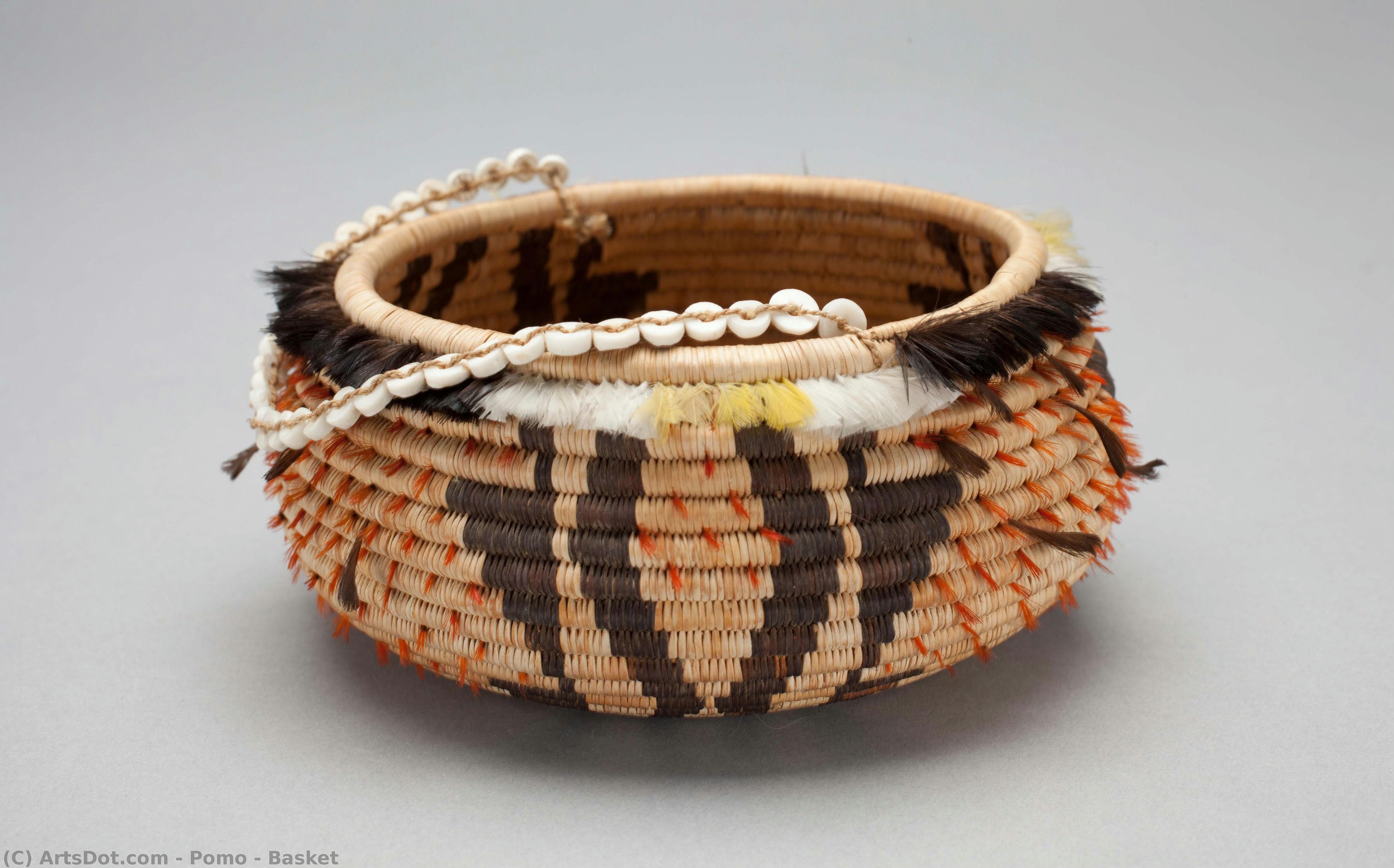
Historically, the Pomo were not a unified nation but rather a collection of distinct bands inhabiting a vast territory stretching from the Pacific Coast inland to Clear Lake. Their lives revolved around the rhythms of the seasons, dictated by the abundance of acorns – a staple food processed meticulously through grinding stones and mortars. This intimate relationship with their environment is immediately apparent in pomo’s work, particularly his basketry reproductions, which showcase an astonishing level of detail and technical skill. These aren't merely decorative objects; they are functional extensions of daily life, imbued with symbolic meaning and reflecting the intricate knowledge of plant materials and weaving techniques passed down through generations.
Early Influences and a Shifting Landscape
The origins of the Pomo people themselves remain shrouded in some mystery, though linguistic research suggests a connection to the Hokan language family. Over centuries, their language diversified into several distinct dialects – Northern, Central, Southern, and Western Pomoan – each reflecting the unique environments and cultural practices of its speakers. The name “Pomo” itself evolved over time, initially referring to a specific village near Mendocino County before expanding to encompass the entire linguistic group by the late 19th century. This evolution mirrors the broader historical context: as European settlers encroached upon Pomo territory, the term "Pomo" became increasingly used to represent the entirety of their culture and identity.
A pivotal figure in pomo’s artistic development was Grace Carpenter Hudson (1865-1937), a white American artist who dedicated her life to documenting and celebrating Pomo culture. Hudson's work, particularly her portraits of Pomo children, became immensely popular during the late 19th and early 20th centuries. Her paintings, often displayed at exhibitions across the United States, were viewed as embodying a romanticized vision of Native American life – a “redemption” narrative that sought to portray Indigenous peoples as inherently virtuous and in need of guidance from European civilization. Interestingly, this very narrative—the idea of "saving" or "redeeming" Native Americans—is subtly reflected in Hudson’s work, creating a complex interplay between representation and reality.
Capturing the Essence: Portraits and Symbolism
Pomo's own artistic practice draws heavily from this legacy, yet he possesses a distinct voice. His portraits, like “Captain John (Ab ba ba pomo),” are striking for their realism and attention to detail. The subjects – often Pomo children – are rendered with remarkable sensitivity, capturing not just their physical appearance but also their personalities and the spirit of their people. The inclusion of symbolic elements—traditional clothing, adornments, and tools—further enriches these portraits, offering viewers a window into Pomo culture and beliefs.
The use of color is particularly noteworthy. Pomo’s palette reflects the natural world around him – earthy tones, reds derived from magnesite pigments, and blues echoing the sky and water. These colors are not merely decorative; they carry symbolic weight, representing elements of Pomo cosmology and spirituality. The meticulous detail evident in his work—from the intricate beadwork on baskets to the subtle expressions on the faces of his subjects—demonstrates a deep respect for craftsmanship and a commitment to preserving traditional techniques.
A Continuing Tradition: Contemporary Relevance
Today, pomo continues to create art that honors his heritage. His work serves as a vital link to the past, reminding us of the rich cultural traditions of the Pomo people. His reproductions of baskets and other traditional crafts offer a tangible connection to this history, while his portraits capture the enduring spirit of a resilient community. The research by Meagan Camille Anderson highlights how Hudson’s work was part of a broader movement during the early 20th century to represent Native Americans in a way that aligned with prevailing societal ideals – an idealization often intertwined with colonial narratives. Pomo's art, like Hudson’s before him, reflects this complex dynamic, prompting us to consider how representations shape our understanding of culture and identity.
Exploring pomo’s work through WahooArt.com offers a unique opportunity to engage with the artistic legacy of the Pomo people – a testament to their enduring spirit and a celebration of their rich cultural heritage.



 미리보기
미리보기
 프린트 구매
 공유하기
공유하기 공유하기
공유하기
 상세 정보
상세 정보

 다운로드
다운로드
 유사 작품
유사 작품 X-레이
X-레이 슬라이드 쇼


 더 보기
더 보기






































 유리 옵션은 110cm 미만 크기에서만 선택 가능합니다.





