
x


 Oil On CanvasWallArtBaroque
 1752
1752 59.0 x 48.0 cm
 Gallerie dell'Accademia




























작품의 원본 비율을 유지하는 미리 설정된 크기 중에서 선택하세요.

특정 프레임이나 공간에 맞도록 직접 크기를 입력할 수 있습니다. 선택하신 크기가 원본 이미지의 비율과 일치하지 않는 경우, 작품을 자르거나 추가적인 손으로 그린 요소를 사용하여 그림을 확장합니다. 제작 시작 전 승인을 위해 디지털 목업을 보내드립니다.
화면 미리 보기는 실제 자르기 또는 확장을 반영하지 않습니다. 최종 구성은 목업을 통해서만 정확하게 확인하실 수 있습니다.
맞춤 크기 제작도 가능하지만, 원본 비율을 유지하기 위해 사전 정의된 목록에서 크기를 선택하시는 것을 권장합니다.

The Apothecary
복제본 크기
Pietro Longhi's "The Apothecary," painted in 1752, is more than just a depiction of a bustling commercial space; it’s a meticulously crafted window into the vibrant and often contradictory world of 18th-century Venice. Longhi, a master of capturing the everyday dramas unfolding within bourgeois homes, eschewed the grand historical narratives favored by his contemporaries, instead focusing on the intimate details of Venetian life – a deliberate choice that cemented his reputation as the “Venetian Hogarth.” This painting immediately draws the viewer into a scene brimming with quiet observation and subtle social commentary, utilizing a shallow depth of field to prioritize interaction and narrative over strict realism. The warm palette—rich browns, ochres, and deep reds—creates an atmosphere both inviting and slightly cluttered, reflecting the practical yet aesthetically-minded environment of an apothecary.
The composition is remarkably complex, skillfully arranged to guide the eye through a series of interconnected actions. A central figure, a man diligently applying something to a woman’s face – a gesture both intimate and slightly unsettling – dominates the scene, immediately establishing a core narrative thread. An older gentleman observes with a mixture of curiosity and concern, while a nun stands nearby, seemingly offering assistance or perhaps simply observing the unfolding drama. Longhi's mastery lies in his ability to render textures with remarkable detail; the rough surfaces of wooden shelves laden with jars and bottles contrast sharply with the smooth fabrics of the clothing worn by the figures. The use of linear perspective, characteristic of Baroque painting, subtly flattens the space, prioritizing clarity and narrative flow over strict adherence to three-dimensional accuracy. The brushwork is generally smooth and blended, indicative of an oil paint technique—a medium that allowed for nuanced color gradations and a rich, tactile quality.
Beyond its immediate depiction of apothecary life, “The Apothecary” is laden with symbolic meaning. The shelves overflowing with jars and bottles represent not just medicinal ingredients but also knowledge, alchemy, and perhaps even a veiled commentary on the pursuit of wealth and power within Venetian society. The presence of the nun adds another layer of complexity, suggesting themes of faith, charity, or even illicit affairs – common motifs in Longhi’s work. The man administering the treatment is often interpreted as representing a physician, while the woman receiving it embodies vulnerability and perhaps a degree of passive acceptance. Notably, many of the figures are partially obscured, their faces often hidden behind masks—a recurring device in Longhi's oeuvre that invites speculation about identity, disguise, and the performative nature of social interactions. The scene subtly critiques the superficiality and intrigue prevalent within the Venetian elite.
Painted in 1752, “The Apothecary” reflects a pivotal moment in Venetian history – a period of relative stability following the turmoil of the preceding decades. Venice was transitioning from its maritime dominance to a more inward-looking society, increasingly focused on domestic life and the pleasures of the wealthy elite. Longhi’s choice to depict this everyday scene—a private moment within a professional setting—underscores this shift in focus. His work stands as a valuable historical document, offering insights into the social customs, fashion trends, and prevailing attitudes of 18th-century Venice. The painting aligns with the Rococo style, characterized by its emphasis on elegance, intimacy, and playful subject matter, yet it retains Longhi’s distinctive wit and observational acuity.
Reproductions of “The Apothecary” offer an exceptional opportunity to bring this captivating scene into any interior space. The painting's rich detail and evocative atmosphere create a focal point that sparks conversation and adds a touch of historical charm. Considered alongside the work of Pietro Longhi, it exemplifies his unique ability to capture the nuances of Venetian life with both artistic skill and social awareness. Investing in a high-quality reproduction allows you to appreciate the enduring appeal of this masterful painting—a testament to Longhi’s legacy as one of Venice's most perceptive and engaging chroniclers of daily life.

1701 - 1785 , 이탈리아

Explore the captivating world of Pietro Longhi's Venetian scenes! Discover insightful analysis of his Rococo masterpieces & social commentary on 18th-century life. Learn about this 'Venetian Hogarth' and his lasting artistic legacy.

바로크 예술의 풍요로운 세계를 탐험하고, 현대 인테리어에 감동을 불어넣는 방법을 WahooArt에서 만나보세요. 카라바조, 렘브란트 등 거장들의 작품과 키아로스쿠로 기법 활용 노하우를 공개합니다.

Explore the dramatic world of Baroque art! Discover iconic artists like Caravaggio & Rubens, defining techniques, and its lasting impact on art history. Expert insights for collectors & enthusiasts at WahooArt.
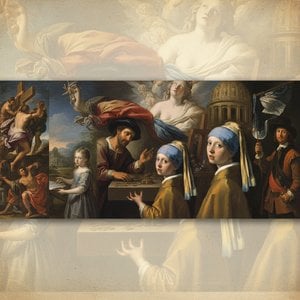
화려함과 극적인 표현이 압권! 바로크 미술을 대표하는 10대 걸작의 숨겨진 이야기를 만나보세요. 베르니니, 루벤스 등 거장의 작품부터 바로크 색감, 예술적 기법까지 – WahooArt.com에서 명품 복제 & 인테리어 영감을 얻으세요! 지금 바로 컬렉션을 탐험해보세요.

틴토레토의 드라마틱한 빛과 색채가 살아 숨쉬는 걸작 25선을 만나보세요. 베네치아 회화 거장의 명작 속 역사, 기법, 그리고 영감을 느껴보세요. WahooArt에서 고품질 유화와 아트 프린트를 감상하고 특별한 인테리어를 완성하세요. 지금 바로 컬렉션을 탐험하세요!


최신 미술 뉴스, 특별 혜택 및 인테리어 아이디어를 가장 먼저 만나보세요.
프로젝트에 대해 알려주시면 저희 미술 전문가들이 맞춤형 아트 제안 3가지를 전달해 드립니다.
당신만을 위한 맞춤형 옵션 3가지를 무료로 추천해 드립니다!


 미리보기
미리보기
 프린트 구매
 공유하기
공유하기 공유하기
공유하기
 상세 정보
상세 정보

 다운로드
다운로드
 유사 작품
유사 작품 X-레이
X-레이 슬라이드 쇼
 더 보기
더 보기









 유리 옵션은 110cm 미만 크기에서만 선택 가능합니다.


