

빠른 제작과 다양한 마감 옵션을 제공하는 박물관 수준의 지클레이 및 캔버스 프린트. ( 수작업 채색 복제본 주문하기 디지털 이미지로 전환)





























작품의 원본 비율을 그대로 유지하는 프리셋 사이즈 중에서 선택해 보세요.

액자나 벽면 크기에 맞춰 필요한 가로와 세로 길이를 입력해 주세요. 프린트는 원본 이미지보다 크게 제작할 수 없으며 오직 자르는 것만 가능하므로, 비율이 다른 사이즈를 선택할 경우 이미지의 일부가 잘려 나갈 수 있습니다. 인쇄 작업에 들어가기 전, 최종 확인을 위해 디지털 목업을 보내드립니다. 이 페이지에 표시된 이미지는 실제 잘리는 영역을 나타내지 않으며, 오직 목업을 통해서만 정확한 확인이 가능합니다.
폴리포트
복제본 크기
Pietro Alemanno의 "폴리포트"의 기록된 휘도는 은은한 휘도입니다.
Pietro Alemanno의 "폴리포트"의 느껴지는 밝기는 균형 잡힌입니다. 이는 배치할 공간의 조명과 자연스럽게 어우러집니다.
거실 공간 공간에는 "폴리포트" 작품을 대형 크기로 인쇄하여 배치하는 것을 추천합니다.

In the vibrant, shifting landscape of the fifteenth century, few artists embodied the transition from the medieval to the modern as gracefully as Pietro Alemanno. Born around 1430 in the serene surroundings of Göttweich, Austria, Alemanno’s life was a journey across borders and artistic philosophies. He emerged as a pivotal figure who bridged the gap between the lingering, ornate traditions of the Late Gothic style and the burgeoning, humanistic dynamism of the Italian Renaissance. While history often casts him in the shadow of giants like Piero della Francesca or Fra Angelico, a closer look at his oeuvre reveals an artist of profound independence and technical mastery, capable of weaving together the spiritual gravity of Northern Europe with the luminous innovations of the Italian peninsula.
The early chapters of Alemanno’s life remain shrouded in the mists of time, yet his artistic lineage is clearly traced through his connection to the masters of the Marches. Scholarly tradition long suggested he was a mere pupil or follower of the renowned Carlo Crivelli, a Venetian master celebrated for his blend of Gothic elegance and Renaissance realism. However, recent historical rediscoveries have painted a much more compelling portrait of an accomplished professional. Evidence suggests that Alemanno’s presence in the Marches region predates even that of Crivelli, positioning him not as a student seeking guidance, but as an established master capable of securing significant and complex commissions almost immediately upon his arrival in Italy.
Alemanno’s work is a breathtaking synthesis of textures, light, and devotion. His stylistic evolution is most strikingly visible in his ability to integrate the meticulous, almost tactile detail characteristic of Gothic art with the new, sophisticated command of perspective emerging from the Renaissance. In his monumental Polyptych, commissioned for San Pietro Martire in Venice, one can witness this beautiful tension. The architectural framework—composed of elegant arches and columns—does not merely serve as a decorative border; it functions as a window into a sacred space, using deliberate spatial arrangement to guide the viewer’s eye toward the central figures of the Virgin and Child.
His mastery extended beyond mere structure to the very soul of his subjects. Alemanno possessed an unwavering devotion to Christian iconography, imbuing his saints and divine figures with a profound sensitivity that resonated deeply with the faithful of his era. His technique involved a meticulous approach to pigment preparation and compositional planning, allowing him to create surfaces that felt both ethereal and tangibly real. Whether through the soft glow of a Madonna’s countenance or the intricate, jewel-like details of an altarpiece, his work sought to achieve a visual harmony that reflected the divine order.
The breadth of Alemanno's contributions can be seen in the diverse range of his commissions, from grand frescoes to intimate devotional panels. His ability to adapt to different mediums and regional tastes solidified his reputation as a leading personality in the Northern-inspired figure painting that flourished in the Marches during the late 15th century. Some of his most notable milestones include:
Ultimately, Pietro Alemanno’s significance lies in his role as a cultural conduit. He was an artist who moved between the Germanic roots of his birth and the Italian heart of the Renaissance, carrying with him a unique aesthetic language that honored the past while embracing the future. Though he passed away in Ascoli Piceno around 1497 or 1498, his legacy survives in the quiet majesty of his altarpieces, which continue to captivate art historians and devotees alike with their enduring spiritual power and technical brilliance.

1430 - 1497 , Austria

Embark on a journey through the Venetian Renaissance. Discover how masters like Giorgione and Titian revolutionized art through luminous color and light. Explore the profound legacy of the Venetian School and its enduring influence on the world of fine art.
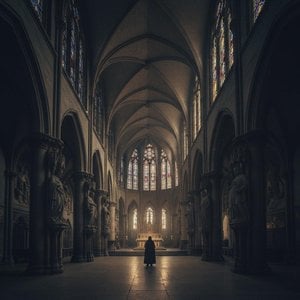
Embark on a journey through the dramatic era of Gothic art. Discover the profound beauty of illuminated manuscripts, sacred gold leaf masterpieces, and the transition to naturalism in this expert-led exploration of medieval artistry and historical grandeur.

Explore the exquisite elegance of Late Gothic art. Discover how masters like Carlo Crivelli and Stefan Lochner blended intricate detail and religious devotion to bridge the Middle Ages and the Renaissance in this expert art history guide for true connoisseurs.

Embark on a scholarly journey through the spiritual grandeur of Late Medieval art. Discover the intricate symbolism, technical mastery, and profound religious narratives that define the Gothic era in this expert-led guide for art enthusiasts and collectors.
 미리보기
미리보기
 공유하기
공유하기 공유하기
공유하기
 상세 정보
상세 정보 가이드 보기

 다운로드
다운로드
 유사 작품 더 보기
 X-레이
X-레이 슬라이드 쇼 보기
 질의응답
질의응답
 통계 정보
통계 정보

 더 보기
더 보기









 유리 옵션은 110cm 미만 크기에서만 선택 가능합니다.


