

빠른 제작과 다양한 마감 옵션을 선택할 수 있는 박물관 수준의 지클레이 및 캔버스 프린트. ( 수작업 채색 복제본 주문하기 디지털 이미지 판매 채널로 전환)





























작품의 원본 비율을 그대로 유지하는 프리셋 사이즈 중에서 선택해 보세요.

액자나 벽면 크기에 맞춰 필요한 가로와 세로 길이를 입력해 주세요. 프린트는 원본 이미지보다 크게 제작할 수 없으며 오직 자르는 것만 가능하므로, 비율이 다른 사이즈를 선택할 경우 이미지의 일부가 잘려 나갈 수 있습니다. 인쇄 작업에 들어가기 전, 최종 확인을 위해 디지털 목업을 보내드립니다. 이 페이지에 표시된 이미지는 실제 잘리는 영역을 나타내지 않으며, 오직 목업을 통해서만 정확한 확인이 가능합니다.
Silver Tree
복제본 규격
Piet Mondrian's 1912 painting, “Silver Tree,” presents a deceptively simple yet profoundly complex meditation on form, space, and the very nature of reality. This stark black-and-white composition immediately draws the viewer into its core: a solitary tree rendered with an almost unsettling clarity. The image isn’t a depiction of a natural scene in the traditional sense; rather, it's a carefully constructed abstraction, a distillation of essential elements stripped down to their most fundamental geometric components. The absence of leaves amplifies this effect, transforming the tree into a skeletal structure – a visual representation of underlying order and perhaps even spiritual essence.
Understanding “Silver Tree” requires acknowledging Mondrian’s artistic trajectory leading up to this pivotal work. Born in 1872, his early paintings, such as *The Red Mill*, demonstrate a rigorous training in traditional landscape painting, influenced by the Hague School and Dutch Impressionism. However, even within these representational works, a subtle tension existed – a desire to move beyond mere imitation and capture something more profound. His experimentation with Pointillism and Fauvism, styles that prioritized color and expressive brushwork, reveals this ongoing search. These early explorations ultimately paved the way for his later embrace of Neo-Plasticism, a movement he would spearhead alongside Theo van Doesburg. “Silver Tree” can be seen as an embryonic stage of this revolutionary approach – a preliminary investigation into reducing visual experience to its most essential elements.
Mondrian’s technique in "Silver Tree" is characterized by precise lines and controlled application of paint. The stark black and white palette intensifies the geometric qualities of the tree, emphasizing its linear structure. The composition itself is remarkably balanced, with the central trunk acting as a vertical anchor and the radiating branches creating a dynamic yet contained visual field. This deliberate arrangement isn’t accidental; it reflects Mondrian's belief in the underlying mathematical harmony of the universe – a principle he sought to translate into his art. The lack of shading or texture further contributes to the painting’s austerity, reinforcing its focus on pure form and structure.
While seemingly objective, “Silver Tree” is laden with symbolic weight. The tree itself has long been a potent symbol in Western art, representing life, growth, and connection to the earth. However, Mondrian’s abstraction transforms this traditional symbolism, suggesting a more spiritual or metaphysical interpretation. The ‘silver’ hue – though rendered in monochrome – evokes connotations of purity, spirituality, and the divine. The painting's emotional impact is one of quiet contemplation and perhaps even a sense of melancholy. It invites viewers to consider the relationship between the visible world and the unseen realms of thought and feeling. This piece resonates with a deep yearning for order and harmony, reflecting Mondrian’s lifelong pursuit of universal principles through his art.
피에트 몬드리안의 "Silver Tree"의 복제본을 미리 보려면 작품의 미리보기 페이지를 열어주세요.
피에트 몬드리안의 "Silver Tree"의 색상은 Balanced Soft 정도의 채도를 띱니다. 채도는 색상이 얼마나 선명하거나 차분한지를 나타냅니다.
피에트 몬드리안의 "Silver Tree"에 관한 통계 정보는 작품의 통계 페이지에서 확인하실 수 있습니다: 해당 작품의 월간 방문 횟수, 작가 작품의 방문 횟수, 그리고 최근 방문자의 국가 및 언어별 상세 현황을 제공합니다.

1872 - 1944 , 네덜란드

Explore 10 iconic paintings dominated by black tones, from Rembrandt’s chiaroscuro to Goya's dark expressions. Discover the stories behind these masterpieces & find museum-quality art reproductions for your home at .

몬드리안, 말레비치 등 거장들의 기하학적 추상 미술 명작 10선을 만나보세요. 각 작품의 예술사적 의미와 색채, 구성을 탐구하고 WahooArt.com에서 고품질 아트 프린트를 소장하세요. 지금 바로 온라인 컬렉션을 확인하세요!

Journey through Wassily Kandinsky's 25 most iconic abstract paintings. Explore his revolutionary use of color, form & spiritual expressionism. Find museum-quality Kandinsky reproductions and elevate your home decor with WahooArt.com. Discover all masterpieces on WahooArt.com!

카지미르 말레비치의 최고작 25선을 만나보세요. 추상 미술의 혁신적인 세계, 슈프레마티즘의 정수를 담은 작품들의 이야기와 영감을 WahooArt에서 경험하세요. 고품질 아트 프린트와 인테리어 데코 아이디어를 지금 바로 확인하세요! WahooArt.com
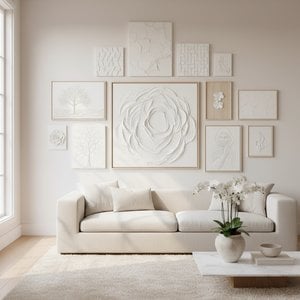
Explore 10 iconic white paintings by Monet, Whistler & Rothko! Discover the stories behind these serene masterpieces and their impact on art history. Find museum-quality reproductions for your home decor at .

 실제 크기로 보기
 보내기
보내기 공유하기
공유하기
 상세 보기
상세 보기 가이드 보기

 이미지 다운로드
 유사 작품 더 보기
 X-레이
X-레이 슬라이드 쇼 보기
 통계 정보
통계 정보

 상세 보기
상세 보기









 유리 옵션은 110cm 미만 크기에서만 선택 가능합니다.


