
원하는 크기와 액자로 주문 제작되는, 작가들이 직접 캔버스에 손으로 그린 유화 작품입니다. ( 프린트 판매로 전환 디지털 이미지로 전환)





























작품의 원본 비율을 유지하는 미리 설정된 크기 중에서 선택하세요.

특정 프레임이나 공간에 맞도록 직접 크기를 입력할 수 있습니다. 선택하신 크기가 원본 이미지의 비율과 일치하지 않는 경우, 작품을 자르거나 추가적인 손으로 그린 요소를 사용하여 그림을 확장합니다. 제작 시작 전 승인을 위해 디지털 목업을 보내드립니다.
화면 미리 보기는 실제 자르기 또는 확장을 반영하지 않습니다. 최종 구성은 목업을 통해서만 정확하게 확인하실 수 있습니다.
맞춤 크기 제작도 가능하지만, 원본 비율을 유지하기 위해 사전 정의된 목록에서 크기를 선택하시는 것을 권장합니다.

not identified
복제본 크기
In the vast landscape of modern art, few names resonate with as much transformative power as Piet Mondrian. His work, often characterized by a radical departure from the visible world, seeks to uncover a deeper, more universal truth hidden beneath the surface of reality. In this captivating piece, we encounter a moment of profound stillness—a quiet reflection on form and color that invites the viewer into a meditative state. While the painting may initially present as a stately architectural scene, featuring a prominent clock tower and figures poised in observation, it serves as a gateway to the artist's evolving philosophy of Neo-Plasticism. It is not merely a depiction of urban grandeur, but an exploration of the equilibrium between the physical structure we inhabit and the spiritual energy that animates it.
The composition is a masterclass in controlled tension and geometric precision. Executed with meticulous care in oil on canvas, the artwork utilizes the strength of orthogonal lines—the steadfast horizontal and vertical—to construct a sense of permanence and order. This grid-like framework does more than just define the building's silhouette; it creates a rhythmic pulse that guides the eye across the canvas. The color palette is intentionally disciplined, relying on the primal impact of primary hues. Splashes of red, yellow, and blue are applied with surgical accuracy within the intersections of the grid, providing a striking visual contrast against the more muted, earthy tones of the architecture. This technique transforms the canvas from a mere window into a scene into a complex tapestry of light and mathematical harmony.
To understand this work is to understand the historical currents that shaped Mondrian’s vision during the mid-20th century. Emerging from a period of immense global upheaval, his art reflects a profound desire for stability amidst chaos. The influence of the Bauhaus movement and the principles of De Stijl are palpable here, as the artist strips away the unnecessary to reveal the essential. Every line and every block of color is a deliberate choice, intended to mirror the underlying mathematical order of the universe. For the discerning collector or interior designer, this piece offers more than just aesthetic beauty; it provides a focal point of intellectual depth and structural integrity.
Beyond its formal qualities, the painting carries a heavy symbolic weight. The grid represents the rationality and structure of human thought, acting as a necessary counterbalance to the unpredictable nature of human emotion. The primary colors are not merely decorative; they symbolize a spiritual vitality that transcends the material world. When placed within a contemporary living space or a sophisticated gallery setting, this reproduction evokes a sense of calm detachment and contemplative peace. It is an invitation to slow down, to look past the superficial layers of our environment, and to find beauty in the fundamental balance of existence. For those seeking to infuse their surroundings with a sense of timelessness and grace, Mondrian’s vision remains an unparalleled source of inspiration.

1872 - 1944 , 네덜란드

Explore the profound elegance of De Stijl. Discover how Piet Mondrian and the masters of Neoplasticism utilized geometric harmony and primary colors to redefine modern abstraction. An authoritative guide for the discerning collector seeking timeless, structured beauty.

Explore the profound spiritual depth of geometric abstraction. From Malevich's Suprematism to modern masters, our expert guide reveals how pure form and color command presence in fine art collections.
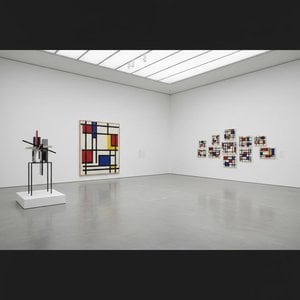
Explore the profound essence of Neoplasticism. Discover how Piet Mondrian and De Stijl masters used pure color and geometric form to redefine modern art. An essential guide for collectors seeking to understand the enduring power of abstract harmony and universal order.


 미리보기
미리보기
 공유하기
공유하기 공유하기
공유하기
 상세 정보
상세 정보

 다운로드
다운로드
 유사 작품
유사 작품 X-레이
X-레이 슬라이드 쇼
 통계 정보
통계 정보

 더 보기
더 보기









 유리 옵션은 110cm 미만 크기에서만 선택 가능합니다.


