
 EnamelDecorRenaissance
 1500Renaissance
 20.0 x 15.0 cm
 프릭 미술관
원하는 크기와 액자로 주문 제작되는, 작가들이 직접 캔버스에 손으로 그린 유화 작품입니다. ( 프린트 판매로 전환 디지털 이미지로 전환)
작품의 원본 비율을 유지하는 미리 설정된 크기 중에서 선택하세요.

특정 프레임이나 공간에 맞도록 직접 크기를 입력할 수 있습니다. 선택하신 크기가 원본 이미지의 비율과 일치하지 않는 경우, 작품을 자르거나 추가적인 손으로 그린 요소를 사용하여 그림을 확장합니다. 제작 시작 전 승인을 위해 디지털 목업을 보내드립니다.
화면 미리 보기는 실제 자르기 또는 확장을 반영하지 않습니다. 최종 구성은 목업을 통해서만 정확하게 확인하실 수 있습니다.
맞춤 크기 제작도 가능하지만, 원본 비율을 유지하기 위해 사전 정의된 목록에서 크기를 선택하시는 것을 권장합니다.

Plaque: Christ Crowned with Thorns
복제본 크기
In the delicate, luminous surface of this exquisite enamel plaque, titled Plaque: Christ Crowned with Thorns, we encounter one of the most harrowing and poignant episodes of the Passion. Created around 1500, this miniature masterpiece serves as a window into a moment of profound spiritual tension. The scene captures the precise instant when the tormentors of Christ exert their cruelty, driving the crown of thorns into His head while another figure mocks His divinity by offering a reed as a mock scepter. There is an undeniable gravity to the composition; the viewer is not merely an observer but a witness to the physical and emotional weight of the sacrifice being depicted.
The artistry of this piece is deeply rooted in the grisaille technique, a sophisticated method that utilizes varying shades of gray and white to create a sculptural, three-dimensional effect. This monochromatic palette, reminiscent of the celebrated works by Pierre Reymond, lends the plaque an ethereal, almost ghostly quality. By stripping away the distraction of vibrant colors, the artist forces our focus onto the interplay of light and shadow, highlighting the textures of the thorns, the folds of the garments, and the agonizing expression on the face of Christ. This restraint in color creates a sense of timelessness, elevating the scene from a historical event to a universal symbol of endurance and grace.
To appreciate this plaque is to appreciate the pinnacle of French enameling traditions. Likely born from a prestigious workshop in Limoges, the piece reflects a period when enamel was as much a jewel-like treasure as it was a medium for religious storytelling. The technical precision required to fuse glass onto metal surfaces to achieve such subtle gradations of tone is nothing short of miraculous. While the plaque may have once been part of a larger, more complex altarpiece or paired with its counterpart, The Agony in the Garden, it retains a powerful, self-contained energy that commands attention.
For the discerning collector or interior designer, this reproduction offers more than just a visual ornament; it provides a focal point of historical depth and intellectual intrigue. The architectural backdrop, suggesting a castle or significant structure, adds a layer of narrative complexity, grounding the biblical drama within a tangible, worldly setting. Whether placed in a curated gallery setting or used to add a touch of classical solemnity to a sophisticated study, this work invites contemplation. It is an invitation to rediscover the beauty found in the shadows and the profound strength found in moments of quiet, monumental suffering.


1513 - 1584 , France

Explore 10 iconic paintings bathed in evocative pewter tones! From Rembrandt's subtle chiaroscuro to Whistler’s atmospheric art, discover the stories & techniques behind these masterpieces. Find museum-quality reproductions at .

Explore the power of muted colors in art! Discover the history, psychology & techniques behind serene palettes. Find inspiration & expert advice for creating emotionally resonant spaces with WahooArt.
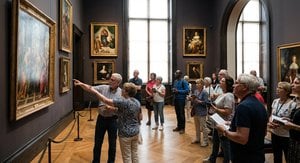
뮌헨 알테 피나코텍의 명작 25선을 만나보세요. 르네상스부터 바로크까지, 루벤스, 렘브란트 등 거장들의 숨겨진 이야기와 예술 기법을 탐험합니다. WahooArt에서 고품질 복제화로 당신의 공간에 예술을 더하세요! 지금 컬렉션을 살펴보세요.

프라 안젤리코의 천상의 아름다움을 담은 25개의 명작을 만나보세요. 르네상스 시대 종교화, 금박 기법, 섬세한 색채가 빛나는 예술 작품들을 WahooArt에서 감상하고 특별한 인테리어로 완성하세요. 지금 바로 컬렉션을 탐험하세요!

Delve into 10 somber masterpieces by Rembrandt, Munch & Van Gogh. Explore emotional art history, dark palettes & powerful expression. Find museum-quality reproductions & curated wall decor ideas at . Discover all masterpieces online.


 공유하기
공유하기 공유하기
공유하기
 상세 정보
상세 정보

 다운로드
다운로드
 유사 작품
유사 작품 슬라이드 쇼
 통계 정보
통계 정보 더 보기
더 보기






































 유리 옵션은 110cm 미만 크기에서만 선택 가능합니다.


