
 EnamelDecorRenaissance Mannerism
 1550Early Modern
 40.0 x 40.0 cm
 루브르 박물관
빠른 제작과 다양한 마감 옵션을 제공하는 박물관 품질의 지클레이 또는 캔버스 프린트. ( 손으로 그린 그림 구매 디지털 이미지로 전환)
작품의 원본 비율을 유지하는 미리 설정된 크기 중에서 선택하세요.

특정 프레임이나 공간에 맞춰 직접 치수를 입력하실 수 있습니다. 선택하신 사이즈가 원본 이미지의 비율과 일치하지 않을 경우, 작품을 크롭(자르기)하거나 이미지를 대칭 또는 단색 채우기로 확장하여 제작합니다. 제작 시작 전, 최종 확인을 위해 디지털 목업이 전송됩니다.
화면상의 미리보기는 실제 크롭이나 확장 상태를 반영하지 않으므로, 최종 구도는 오직 목업을 통해서만 정확하게 확인하실 수 있습니다.
맞춤 사이즈 제작도 가능하지만, 원본 비율을 유지하기 위해서는 사전 정의된 목록에서 치수를 선택하시는 것을 권장합니다.

Round Medallion Featuring Combats
복제본 크기
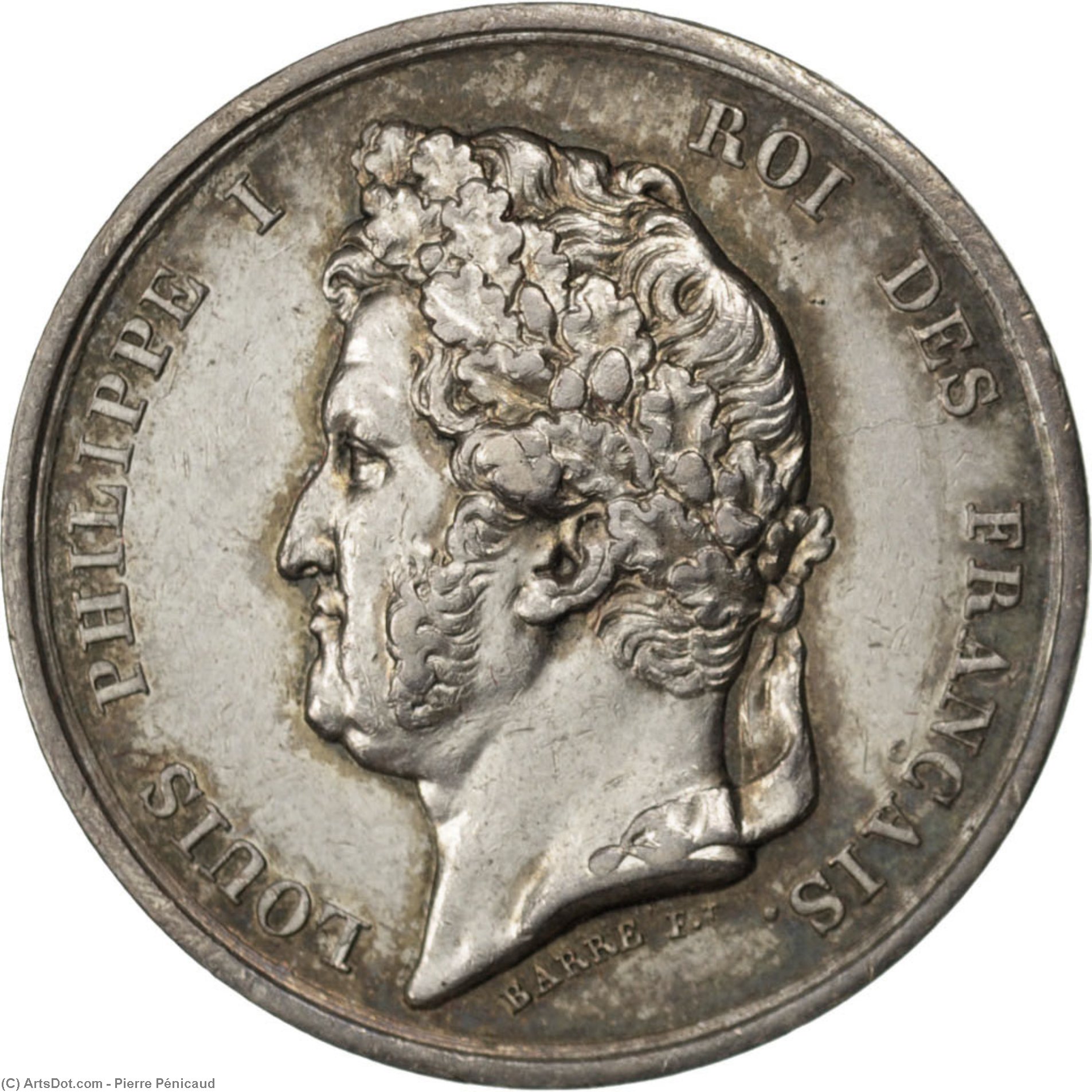
Behold this captivating round medallion, a miniature stage upon which history’s raw energy is captured. At first glance, one is struck by the sheer dynamism emanating from the metalwork. It is not merely a depiction of battle; it is an immersion into the very heart of human conflict—a swirling vortex of desperate action and martial fervor. The composition is densely populated, featuring at least thirteen distinct figures locked in visceral combat. Swords are drawn, bodies contort with effort, and every visible expression speaks volumes of adrenaline and survival. This piece transcends simple portraiture; it is a narrative frozen in time, allowing the viewer to feel the clang of steel and the desperate cries echoing across an unseen battlefield.
The artistry behind this dramatic scene points directly to the unparalleled skill of Pierre Penicaud. Working around the year 1550, Penicaud was a master craftsman hailing from Limoges, a city whose very name became synonymous with exquisite enamel work. His technique, rooted in generations of family tradition, allowed him to achieve a level of detail and luminosity rarely matched. The medium itself—the enamel set into metal, likely gold or bronze—demands an almost alchemical touch. Penicaud’s ability to render such complex human interaction within the confines of a circular medallion speaks to both his technical prowess and his deep understanding of pictorial narrative.
The period in which this piece was created, the mid-sixteenth century, was an era of profound upheaval across Europe. Such depictions of combat often served multiple purposes: they could commemorate military victories, serve as moral allegories for civic virtue, or simply reflect the pervasive cultural fascination with martial prowess. The symbolism here is rich; the clash of swords represents not just physical fighting, but perhaps the eternal struggle between order and chaos, civilization and savagery. To own such a piece is to possess a tangible link to the historical anxieties and grand narratives of Renaissance life.
For the discerning collector or designer, this medallion offers an unparalleled focal point. Its intense drama provides an immediate gravitational pull within any room. Imagine it mounted against a muted wall, allowing the vibrant enamel colors and the kinetic energy of the figures to take center stage. While its subject matter is violent, its execution—the meticulous craftsmanship and the historical weight imbued by Penicaud’s hand—lends it an air of sophisticated antiquity. It serves as a powerful conversation starter, inviting closer inspection and deeper contemplation of art history and human nature.

In the heart of sixteenth-century France, within the storied city of Limoges, a name emerged that would represent both the pinnacle and the twilight of a magnificent artistic lineage. Pierre Penicaud, born around 1515, was not merely an artist but a custodian of a precious family legacy. As a member of the illustrious Pénicaud dynasty, his life was inextricably linked to the exquisite craft of enamel production, a tradition that had been meticulously refined by his ancestors for generations. To understand Pierre is to understand the weight of history he carried upon his shoulders; he stood as the final prominent figure in a family tree that began with the foundational work of Nardon Pénicaud, who had once blended Gothic sensibilities with the burgeoning motifs of the Renaissance.
The air of Limoges during Penicaud’s era was thick with the scent of minerals and the heat of kilns, a period when the city became synonymous with unparalleled enamel mastery. While his predecessors, such as Jean I Penicaud, had introduced daring innovations like transparent colors on copper—drawing inspiration from the profound prints of Albrecht Dürer—Pierre focused his devotion on the more disciplined and monochromatic elegance of grisaille. His work was a testament to the endurance of technique, a bridge between the medieval traditions of his forebears and the sophisticated Mannerist aesthetics that were beginning to sweep across the European continent.
The true soul of Pierre Penicaud’s artistry lies in his command over the grisaille technique. Unlike the vibrant, polychrome works of earlier generations, Pierre’s repertoire was defined by a deliberate restraint, often working exclusively within a palette of black or blue backgrounds to create striking, sculptural effects. This method required an almost alchemical precision; the artist had to manipulate layers of opaque white enamel to simulate depth, texture, and the play of light upon form. Through this monochromatic lens, he achieved a remarkable level of realism, capturing the subtle contours of the human figure with a clarity that felt both ancient and strikingly modern.
His compositions often transcended simple decoration, evolving into complex narratives that captured the tumultuous spirit of his age. One might gaze upon his round medallions and find oneself thrust into a swirling vortex of conflict. In these miniature stages, Penicaud rendered battle scenes with such visceral energy that the viewer can almost hear the clash of steel and feel the adrenaline of combat. These works were not merely depictions of violence but were deeply layered with symbolism, serving as moral allegories for civic virtue or commemorations of military triumph. Every contorted limb and drawn sword within his medallions speaks to a profound understanding of pictorial narrative, where the stillness of enamel meets the frantic motion of history.
Though some scholars suggest that Pierre may not have reached the same heights of fame as his more experimental predecessors, his historical significance remains undeniable. He was the guardian of a standard, ensuring that the technical brilliance of Limoges survived through a period of profound European upheaval. His ability to marry the meticulous detail of Mannerism—characterized by its stylized figures and dramatic compositions—with the rigorous demands of enamel painting allowed him to leave an indelible mark on the decorative arts of France.
The significance of his life's work can be summarized through several enduring contributions:
Ultimately, Pierre Penicaud remains a singular figure—a master craftsman whose hands worked in the service of both family honor and artistic evolution. His legacy is found not just in the surviving pieces of gold and bronze, but in the very breath of the Limoges tradition that he so faithfully upheld until the close of his life in 1590.

1515 - 1590 , France

Explore the dramatic intensity of naval combat through art history. From Romanticism to classical maritime masterpieces, discover how legendary painters captured the chaos, light, and heroism of sea battles in breathtaking oil paintings.

Discover the luminous world of Pierre-Auguste Renoir. Explore an expert guide to his mastery of light, color, and joy through the lens of Impressionist history, perfect for fine art enthusiasts and collectors seeking timeless elegance.
Explore the profound depth of historical conflict through masterworks of art. From Baroque drama to Romantic realism, discover how legendary painters captured the essence of struggle and human resilience in breathtaking oil reproductions.

Embark on a visual journey through history's most powerful war paintings. Explore the dramatic mastery of Romanticism and Realism through expert analysis of epic battle scenes on canvas, celebrating the profound emotion and artistry behind art history's greatest military masterpieces.

 공유하기
공유하기 공유하기
공유하기
 상세 정보
상세 정보 가이드 보기

 다운로드
다운로드
 유사 작품
유사 작품 슬라이드 쇼
 통계 정보
통계 정보 더 보기
더 보기






































 유리 옵션은 110cm 미만 크기에서만 선택 가능합니다.


