

빠른 제작과 다양한 마감 옵션을 제공하는 박물관 수준의 지클레이 및 캔버스 프린트. ( 수작업 채색 복제본 주문하기 디지털 이미지로 전환)
작품의 원본 비율을 그대로 유지하는 프리셋 사이즈 중에서 선택해 보세요.

액자나 벽면 크기에 맞춰 필요한 가로와 세로 길이를 입력해 주세요. 프린트는 원본 이미지보다 크게 제작할 수 없으며 오직 자르는 것만 가능하므로, 비율이 다른 사이즈를 선택할 경우 이미지의 일부가 잘려 나갈 수 있습니다. 인쇄 작업에 들어가기 전, 최종 확인을 위해 디지털 목업을 보내드립니다. 이 페이지에 표시된 이미지는 실제 잘리는 영역을 나타내지 않으며, 오직 목업을 통해서만 정확한 확인이 가능합니다.
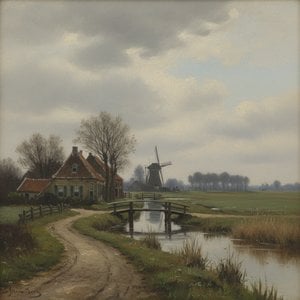
Marie-Louise Pasteur
복제본 크기
저작권과 관련하여, "Marie-Louise Pasteur"은(는) 퍼블릭 도메인 - 저작권 보호 기간이 만료되었습니다 상태입니다.
"Marie-Louise Pasteur"은(는) Pierre Lanith Petit의 예술적 생애 중 Late Period 시기의 작품입니다. 이 분류를 통해 해당 작품을 작가의 예술적 발전 과정과 연결해 볼 수 있습니다.
Pierre Lanith Petit의 "Marie-Louise Pasteur"은(는) Muted의 채도와 Monochromatic의 색채 강도를 보여줍니다.

Born in Aups, France, in 1832 (or possibly 1831), Pierre Petit emerged as a pivotal figure in the history of French photography during the mid-19th century. His career spanned several decades, marked by a dedication to documenting Parisian life and significant historical events, most notably the tumultuous Siege of Paris. Initially apprenticed to André-Adolphe-Eugène Disdéri, a master of the daguerreotype process, Petit quickly established himself as an independent studio owner, demonstrating both technical skill and a keen eye for composition. His journey reflects not only the evolution of photographic techniques but also the changing social landscape of 19th-century France.
Petit’s early life remains somewhat shrouded in detail, though his origins in Aups provide a grounding for understanding his artistic sensibilities. He began his photographic training in Paris under the tutelage of Disdéri, a name synonymous with innovation in portraiture during that era. This apprenticeship was crucial; Disdéri's studio was renowned for its meticulous approach and its pioneering use of techniques like the double exposure, which allowed for multiple subjects to be captured within a single frame – a technique Petit would later master. The influence of Disdéri’s studio extended beyond mere technical instruction; it instilled in Petit a commitment to precision, detail, and a sophisticated understanding of lighting and composition.
In 1858, alongside Antoine René Trinquart, Pierre Petit opened his own photographic studio in Paris. This marked the beginning of an independent career characterized by both commercial success and artistic ambition. The partnership proved remarkably fruitful, leading to ventures in Baden-Baden and Marseille, showcasing Petit’s ability to adapt to diverse markets while maintaining a high standard of quality. A particularly significant commission came in 1867 when he was appointed the official photographer for the International Exposition held that year in Paris. This role afforded him unparalleled access to document the event's grandeur and its impact on the city, resulting in a series of images that remain valuable historical records.
Perhaps Petit’s most enduring contribution to photographic history lies in his documentation of the Siege of Paris (1870–71). These stark, unflinching photographs offer a visceral glimpse into the realities of war – the destruction, the suffering, and the resilience of the Parisian populace. The images are not romanticized; they present a brutal and honest portrayal of a pivotal moment in French history. Beyond the Siege, Petit continued to document significant events throughout his career, including the construction of the Statue of Liberty in Paris between 1875 and 1886 – a project that demanded both technical skill and an understanding of monumental scale. His work during this period is particularly noteworthy for its meticulous detail and its ability to capture the sheer ambition of the undertaking.
Petit’s interests extended beyond traditional portraiture and historical documentation. In 1898, he experimented with underwater photography, a relatively nascent field at the time. While these early attempts were not entirely successful, they demonstrate his willingness to push the boundaries of photographic technology and explore new creative possibilities. He continued to exhibit his work at the Société française de photographie (SFP) throughout his career, solidifying his position as a respected figure within the French photographic community. Pierre Petit passed away in 1909, leaving behind a substantial body of work that continues to be studied and admired for its historical significance, technical skill, and artistic vision.
His photographs are now housed in museums across France and internationally, including the Musée Nicéphore-Niépce in Chalon-sur-Saône, the Musée d'Orsay in Paris, and the National Library of France. Pierre Petit’s legacy endures as a pioneer of French photography and a keen observer of his time.

1831 - 1909 , France

Journey through 19th century art with WahooArt! Explore 10 iconic paintings – from Monet & Renoir to Courbet – and discover the stories behind Romanticism, Realism & Impressionism. Find museum-quality reproductions for your home decor. Explore the full collection online!

조르주 쇠라의 대표작 25선을 만나보세요. 점묘법의 혁신과 빛, 색채의 아름다움이 담긴 명작들을 감상하고, 인테리어에 예술적인 영감을 더하세요. WahooArt.com에서 고품질 미술 작품을 컬렉션해보세요.
Explore the captivating world of Jacob Henricus Maris, a leading figure of the Dutch Hague School. Discover his atmospheric landscapes, signature brushstrokes & lasting influence on 19th-century art. Learn more at WahooArt.

빛과 색채의 마법사 르누아르! 인상주의 대표 화가 르누아르의 명작 25선을 만나보세요. '물랭 드 라 갈레트', '우산 속의 소녀들' 등 시대를 초월하는 아름다움을 WahooArt에서 감상하고, 특별한 공간을 완성하세요. 지금 바로 온라인 컬렉션을 탐험하세요!

Explore the captivating world of vintage art prints! Discover their history, collecting tips & enduring appeal. Expert insights on chromolithography and building a legacy collection with WahooArt.
 미리보기
미리보기
 공유하기
공유하기 공유하기
공유하기
 상세 정보
상세 정보 가이드 보기

 다운로드
다운로드
 유사 작품 더 보기
 X-레이
X-레이 슬라이드 쇼 보기
 질의응답
질의응답
 통계 정보
통계 정보


 더 보기
더 보기






































 유리 옵션은 110cm 미만 크기에서만 선택 가능합니다.


