
 PaintingWallArtImpressionistic Landscape
 189419th Century
 24.0 x 25.0 cm
원하는 크기와 액자로 주문 제작되는, 작가들이 직접 캔버스에 손으로 그린 유화 작품입니다. ( 프린트 판매로 전환 디지털 이미지로 전환)





























작품의 원본 비율을 유지하는 미리 설정된 크기 중에서 선택하세요.

특정 프레임이나 공간에 맞도록 직접 크기를 입력할 수 있습니다. 선택하신 크기가 원본 이미지의 비율과 일치하지 않는 경우, 작품을 자르거나 추가적인 손으로 그린 요소를 사용하여 그림을 확장합니다. 제작 시작 전 승인을 위해 디지털 목업을 보내드립니다.
화면 미리 보기는 실제 자르기 또는 확장을 반영하지 않습니다. 최종 구성은 목업을 통해서만 정확하게 확인하실 수 있습니다.
맞춤 크기 제작도 가능하지만, 원본 비율을 유지하기 위해 사전 정의된 목록에서 크기를 선택하시는 것을 권장합니다.

Figures in the Street
복제본 크기
In the quiet, monochromatic depths of Pierre Bonnard’s 1894 masterpiece, Figures in the Street, we are transported to a turn-of-the-century Paris that feels both hauntingly distant and vibrantly immediate. This is not merely a depiction of a city street; it is a captured heartbeat. The painting presents a lively tableau of pedestrians navigating an urban landscape, their forms emerging from the shadows of building façues with a sense of transient grace. As one’s eye wanders through the composition, the bustle of the crowd reveals itself in subtle layers—a dog wandering near the periphery, a forgotten handbag resting on the pavement, and the rhythmic movement of figures drifting through the frame. It is a snapshot of existence caught in a moment of beautiful, fleeting motion.
Bonnard, a founding member of the avant-garde Les Nabis group, masterfully blends the optical curiosity of Impressionism with the profound, emotive weight of Symbolism. While he utilizes the broken light and dappled textures characteristic of his contemporaries, he moves beyond mere visual accuracy to seek a deeper emotional resonance. In this particular work, the absence of color serves as a powerful stylistic choice. By stripping away the spectrum, Bonnard forces the viewer to confront the raw essence of form, composition, and the interplay of light and shadow. The monochrome palette amplifies the painting's expressive power, turning a simple street scene into a contemplative study of human presence within the vast, architectural theater of the city.
The technical execution of Figures in the Street reveals Bonnard’s profound command over medium and light. He employed a sophisticated technique involving thin washes of pigment applied in multiple, delicate layers. This method allows for a remarkable depth of texture that belies the painting's modest dimensions. Through the skillful manipulation of tonal variations, Bonnard achieves a sense of atmospheric perspective, where figures in the foreground possess a tactile clarity while those in the distance dissolve into the misty urban backdrop. There is no reliance on heavy, aggressive brushstrokes here; instead, the artist relies on subtle shifts in shading to create a world that feels as soft and ephemeral as a memory.
For the discerning collector or interior designer, this piece offers an unparalleled opportunity to introduce a sense of historical sophistication and quiet drama into a space. The artwork’s ability to command attention through nuance rather than noise makes it a perfect centerpiece for a curated gallery wall or a focal point in a minimalist study. It invites long periods of observation, rewarding the viewer with new details—a shift in a silhouette, a sudden highlight on a stone wall—each time they look. Owning a high-quality reproduction of this work is not just about acquiring art; it is about bringing a piece of the Parisian soul into one's personal environment, fostering an atmosphere of timeless elegance and intellectual depth.


1867 - 1947 , 프랑스

Elevate your most cherished memories with WahooArt’s bespoke service. We transform your personal photos into breathtaking, hand-painted black & white oil masterpieces. Experience museum-quality craftsmanship and timeless elegance for your private collection. Discover the art of legacy.

Explore the profound artistry of black and white photography. From historical mastery to the interplay of light and shadow, discover how monochrome captures timeless emotion and form through a sophisticated lens of art history.
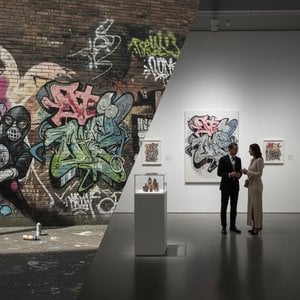
Explore the captivating journey of street art from urban walls to prestigious galleries. Discover how contemporary graffiti has evolved into a high-end collectible movement, redefining modern interior design and global art culture.

Master the nuances of Impressionism vs. Post-Impressionism with our expert guide. Explore the revolutionary shift from Monet’s fleeting light to Van Gogh’s emotional depth. Discover how these iconic movements continue to inspire fine art collectors and modern interiors today.


 미리보기
미리보기
 공유하기
공유하기 공유하기
공유하기
 상세 정보
상세 정보

 다운로드
다운로드
 유사 작품
유사 작품 X-레이
X-레이 슬라이드 쇼
 통계 정보
통계 정보 더 보기
더 보기









 유리 옵션은 110cm 미만 크기에서만 선택 가능합니다.


