
빠른 제작과 다양한 마감 옵션을 제공하는 박물관 품질의 지클레이 또는 캔버스 프린트. ( 손으로 그린 그림 구매 디지털 이미지로 전환)





























작품의 원본 비율을 유지하는 미리 설정된 크기 중에서 선택하세요.

특정 프레임이나 공간에 맞춰 직접 치수를 입력하실 수 있습니다. 선택하신 사이즈가 원본 이미지의 비율과 일치하지 않을 경우, 작품을 크롭(자르기)하거나 이미지를 대칭 또는 단색 채우기로 확장하여 제작합니다. 제작 시작 전, 최종 확인을 위해 디지털 목업이 전송됩니다.
화면상의 미리보기는 실제 크롭이나 확장 상태를 반영하지 않으므로, 최종 구도는 오직 목업을 통해서만 정확하게 확인하실 수 있습니다.
맞춤 사이즈 제작도 가능하지만, 원본 비율을 유지하기 위해서는 사전 정의된 목록에서 치수를 선택하시는 것을 권장합니다.

Dauphine Landscape
복제본 크기
In the delicate brushstrokes of Pierre Bonnard’s Dauphine Landscape, we are invited into a world where time seems to hold its breath. Painted in 1899, this evocative work captures a fleeting moment of stillness within a valley caught in the grip of winter. The scene is far from the harshness one might expect from the season; instead, Bonnard presents a landscape of profound tranquility. Through a masterful use of light and atmosphere, the artist transforms a simple view of trees, grass, and distant buildings into a poetic meditation on solitude and the enduring beauty of the natural world. The leafless trees, standing like silent sentinels against the pale sky, suggest a period of dormancy, yet there is an underlying vitality in the way the light interacts with the frost-touched earth.
The composition of the piece is a masterclass in balance and narrative subtlety. Scattered throughout the valley are small, almost ethereal figures—people engaged in the quiet rhythms of daily life, their presence adding a layer of human warmth to the wintry chill. The inclusion of two horses, positioned thoughtfully within the frame, anchors the scene in a pastoral reality, bridging the gap between the wildness of nature and the settled life of the village. For the discerning collector or interior designer, this painting offers a unique sense of depth; it is a window into a bygone era that brings a sophisticated, contemplative energy to any space, whether placed in a sunlit gallery or a cozy, private study.
To understand the technical brilliance of Dauphine Landscape, one must look toward Bonnard’s roots within the Nabis movement. While his early training was steeped in the rigor of law, his artistic soul was shaped by a rejection of academic stiffness in favor of expressive color and flattened perspectives. In this work, we see the transition from pure Impressionism toward something more intimate and decorative. The technique is not merely about capturing light, but about capturing feeling. Bonnard uses a palette that respects the muted tones of winter—soft greys, earthy browns, and subtle whites—yet he infuses the canvas with a luminous quality that makes the landscape feel as though it is glowing from within.
The brushwork is fluid and rhythmic, guiding the eye across the valley floor toward the distant architecture. There is no heavy-handedness here; rather, there is a lightness of touch that allows the viewer's imagination to fill in the details of the crisp winter air. This approach creates an emotional resonance that is both nostalgic and timeless. For those seeking to adorn a home with art that inspires peace, this reproduction serves as a perfect centerpiece, offering a sophisticated interplay of texture and tone that complements both classical and contemporary decor.
Beyond its historical significance, Dauphine Landscape possesses an enduring emotional impact. It evokes a sense of "nostalgie de la boue"—a longing for the simple, pastoral beauty of the French countryside. The painting does not demand attention through loud colors or dramatic action; instead, it earns it through a quiet, persistent charm that rewards long periods of contemplation. It is an artwork that breathes with the room it inhabits, providing a sense of calm and a connection to the natural cycles of life.
For the art lover looking to invest in a piece that transcends trends, Bonnard’s work represents a pinnacle of late 19th-century mastery. Owning a high-quality reproduction of this masterpiece allows one to bring the serene atmosphere of a French winter into the modern home, creating an environment of elegance, history, and profound peace.


1867 - 1947 , 프랑스

Explore the rich history of landscape art with WahooArt. Discover renowned artists, movements like Impressionism & Romanticism, and expert guidance for collecting timeless pieces. Find your perfect serene escape today!
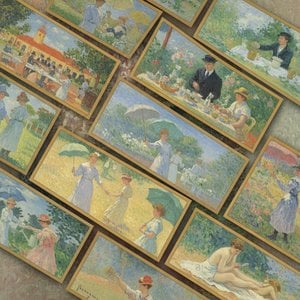
빛과 색채의 마법사 르누아르! 인상주의 대표 화가 르누아르의 명작 25선을 만나보세요. '물랭 드 라 갈레트', '우산 속의 소녀들' 등 시대를 초월하는 아름다움을 WahooArt에서 감상하고, 특별한 공간을 완성하세요. 지금 바로 온라인 컬렉션을 탐험하세요!

존 컨스터블 대표작 25선을 만나보세요. 영국 풍경화 거장의 자연주의 회화, 데담 밸리의 아름다움과 헤이 웨인의 정취를 담은 명화를 감상하세요. WahooArt에서 고품질 예술 작품 복제본을 소장하고 특별한 인테리어를 완성해보세요. 지금 바로 컬렉션을 탐험하세요!
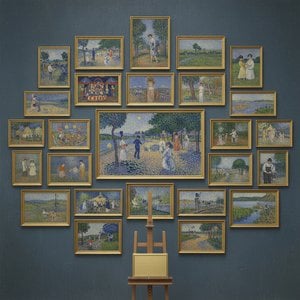
조르주 쇠라의 대표작 25선을 만나보세요. 점묘법의 혁신과 빛, 색채의 아름다움이 담긴 명작들을 감상하고, 인테리어에 예술적인 영감을 더하세요. WahooArt.com에서 고품질 미술 작품을 컬렉션해보세요.
Explore the history of serene landscape art & discover artists who evoke tranquility. Find the perfect calming artwork for your home with expert guidance from WahooArt.


 미리보기
미리보기
 공유하기
공유하기 공유하기
공유하기
 상세 정보
상세 정보 가이드 보기

 다운로드
다운로드
 유사 작품
유사 작품 X-레이
X-레이 슬라이드 쇼
 통계 정보
통계 정보

 더 보기
더 보기









 유리 옵션은 110cm 미만 크기에서만 선택 가능합니다.


