

원하는 크기와 액자로 주문 제작되는, 작가들이 직접 캔버스에 손으로 그린 유화 작품입니다. ( Switch to Print Switch to Digital Image)





























작품의 원본 비율을 유지하는 미리 설정된 크기 중에서 선택하세요.

특정 프레임이나 공간에 맞도록 직접 크기를 입력할 수 있습니다. 선택하신 크기가 원본 이미지의 비율과 일치하지 않는 경우, 작품을 자르거나 추가적인 손으로 그린 요소를 사용하여 그림을 확장합니다. 제작 시작 전 승인을 위해 디지털 목업을 보내드립니다.
화면 미리 보기는 실제 자르기 또는 확장을 반영하지 않습니다. 최종 구성은 목업을 통해서만 정확하게 확인하실 수 있습니다.
맞춤 크기 제작도 가능하지만, 원본 비율을 유지하기 위해 사전 정의된 목록에서 크기를 선택하시는 것을 권장합니다.

The Swing 1
복제본 크기
Pierre-Auguste Renoir’s “The Swing”, completed in 1876, stands as one of Impressionism's most beloved canvases—a deceptively simple depiction brimming with nuanced observation and emotional resonance. Painted during the height of Parisian artistic fervor, it captures a fleeting tableau of aristocratic leisure, skillfully rendered through Renoir’s signature technique of dappled brushstrokes that prioritize capturing the ephemeral effects of light on surfaces. The scene invites the viewer into a lush, sun-drenched garden where time seems to pause, allowing us to witness a private moment of joy and subtle flirtation. It is not merely a painting of a landscape or a group of people, but a symphony of sensation that celebrates the vitality of life itself.
Renoir's method was far from striving for photographic realism; instead, he sought to convey the very essence of being present in that specific, golden moment. His technique involved applying paint in loose, broken touches—often layering colors directly onto wet canvas—allowing them to blend optically in the eye of the observer as they dried. This brilliant approach reproduces the shimmering sunlight filtering through the foliage overhead, illuminating the soft textures of fabric and skin with a luminous haze. By studying the works of masters like Claude Monet and Eugène Boudin, Renoir mastered the art of plein air painting, ensuring that the atmosphere of the garden feels as breathable and vibrant as the real world.
The composition of “The Swing” is a masterclass in capturing spontaneous movement. At the heart of the frame, a young woman—often identified as Jeanne Samary—is elegantly seated on a swing, her figure caught in a state of graceful motion. As she swings forward, there is a subtle, charming tension in her expression; she gazes away with a hint of embarrassment or perhaps playful coyness, a gesture that speaks volumes about the social conventions and romantic undertones of the era. Beside her, a young man engages in animated conversation, his presence adding to the dynamic interplay of figures within the frame.
This sense of motion is balanced by the quiet presence of others, such as a little girl leaning against a tree trunk, which adds layers of depth and narrative complexity to the scene. Renoir’s compositional choices emphasize spontaneity, mirroring the carefree spirit of a summer afternoon in Montmartre. For the collector or interior designer, this piece offers more than just visual beauty; it provides a focal point of energy and life. The way the light dances across the lush green grass and the soft pinks of the attire creates a serene yet stimulating atmosphere that can transform any space into a sanctuary of classical elegance.
Beyond its surface beauty, “The Swing” embodies a deeper exploration of human emotion and the fleeting nature of happiness. The swing itself serves as a powerful symbol of freedom and the rhythmic, unpredictable nature of life. Renoir captures a world where the boundaries between nature and humanity blur, as the dappled light merges the figures with the surrounding flora. This seamless integration of subject and setting is what makes his work so enduringly impactful; it evokes a sense of nostalgia for a period of effortless grace and unhurried leisure.
For those seeking to adorn their homes with high-quality reproductions, this masterpiece offers an unparalleled opportunity to bring the warmth of the French Impressionist movement into a modern setting. The painting’s rich textures and vibrant palette serve as an inspiration, evoking feelings of peace, romance, and vitality. Whether placed in a sunlit living room or a sophisticated study, Renoir’s “The Swing” remains a timeless testament to the beauty found in life's most transient and delightful moments.

1841 - 1919 , 프랑스
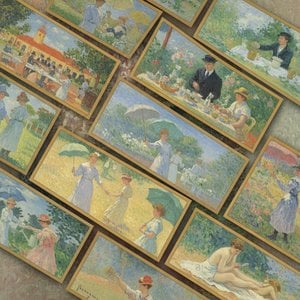
빛과 색채의 마법사 르누아르! 인상주의 대표 화가 르누아르의 명작 25선을 만나보세요. '물랭 드 라 갈레트', '우산 속의 소녀들' 등 시대를 초월하는 아름다움을 WahooArt에서 감상하고, 특별한 공간을 완성하세요. 지금 바로 온라인 컬렉션을 탐험하세요!

인상주의 회화의 심장을 뛰게 한 10대 명작을 WahooArt에서 만나보세요. 모네, 르누아르 등 거장의 숨결과 빛의 향연! 예술적 영감과 홈데코 아이디어를 동시에 얻으세요. 지금 바로 WahooArt.com에서 모든 걸 발견하세요.

Journey into the heart of Impressionism! Explore 10 masterpieces by Monet, Renoir & Degas that revolutionized landscape art. Discover their stories, techniques & find museum-quality reproductions to elevate your home decor on WahooArt.com.

Explore the captivating world of Pierre-Auguste Renoir! Discover his life, iconic Impressionist masterpieces & enduring legacy with our expert guide. High-quality reproductions available.

폴 세잔의 시대를 초월하는 명작 25점을 만나보세요. 인상주의를 넘어 후기 인상주의를 개척한 화가의 예술 세계와 정물화, 풍경화 속 숨겨진 이야기를 WahooArt에서 감상하세요. 고품질 아트 프린트와 캔버스 액자로 공간에 예술을 더해보세요! 지금 바로 컬렉션을 탐험하세요.

 미리보기
미리보기
 공유하기
공유하기 공유하기
공유하기
 상세 정보
상세 정보

 다운로드
다운로드
 유사 작품
유사 작품 X-레이
X-레이 슬라이드 쇼
 Stats
Stats

 더 보기
더 보기









 유리 옵션은 110cm 미만 크기에서만 선택 가능합니다.


