
원하는 크기와 액자로 주문 제작되는, 작가들이 직접 캔버스에 손으로 그린 유화 작품입니다. ( 프린트 판매로 전환 디지털 이미지로 전환)





























작품의 원본 비율을 유지하는 미리 설정된 크기 중에서 선택하세요.

특정 프레임이나 공간에 맞도록 직접 크기를 입력할 수 있습니다. 선택하신 크기가 원본 이미지의 비율과 일치하지 않는 경우, 작품을 자르거나 추가적인 손으로 그린 요소를 사용하여 그림을 확장합니다. 제작 시작 전 승인을 위해 디지털 목업을 보내드립니다.
화면 미리 보기는 실제 자르기 또는 확장을 반영하지 않습니다. 최종 구성은 목업을 통해서만 정확하게 확인하실 수 있습니다.
맞춤 크기 제작도 가능하지만, 원본 비율을 유지하기 위해 사전 정의된 목록에서 크기를 선택하시는 것을 권장합니다.

The Little Reader
복제본 크기
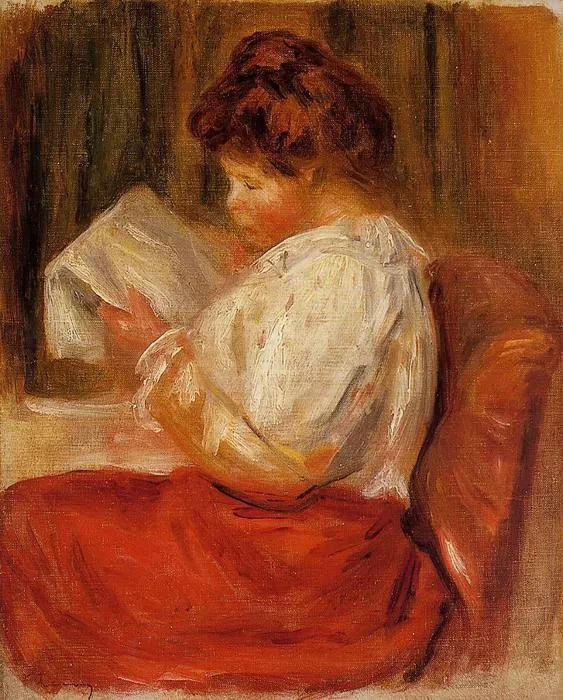
Pierre-Auguste Renoir’s “The Little Reader,” painted circa 1890, isn't merely a portrait; it’s a distillation of Parisian life and the quiet beauty of domesticity. It captures a fleeting moment – a young girl lost in the world contained within the pages of a book – yet resonates with an enduring sense of peace and contemplation. The painting immediately draws the eye to its subject, a young woman seated comfortably in a chair, bathed in soft light, utterly absorbed in her reading. This isn’t a dramatic scene; there are no grand gestures or sweeping landscapes. Instead, Renoir masterfully focuses on the intimacy of the interior space and the simple pleasure of intellectual engagement.
The setting itself is crucial to understanding the painting's mood. The muted colors – predominantly reds, browns, and creams – create a warm, inviting atmosphere. A partially visible figure in the background suggests a family life unfolding beyond the frame, hinting at connection and continuity while simultaneously emphasizing the girl’s solitary focus. A couch sits behind her, further reinforcing the sense of a comfortable, lived-in space—a sanctuary for quiet reflection.
“The Little Reader” is a quintessential example of Renoir’s mature Impressionist style. He employs loose, visible brushstrokes – a hallmark of the movement – to capture the play of light and shadow on the girl’s face, dress, and the book itself. Notice how he doesn't attempt to render every detail with photographic precision; rather, he prioritizes conveying the *impression* of these elements, using color and texture to evoke feeling and atmosphere. The dappled effect created by his brushwork adds a sense of movement and vibrancy to the scene, as if the light is constantly shifting.
Renoir’s use of color is particularly noteworthy. He employs broken colors – applying small dabs of paint side-by-side rather than blending them smoothly—to create a luminous effect. The red dress stands out against the warmer tones of the background, drawing attention to the girl and adding a touch of youthful energy to the composition. The subtle variations in color also contribute to the painting’s overall sense of depth and realism.
Beyond its technical brilliance, “The Little Reader” is rich in symbolism. The act of reading itself represents knowledge, imagination, and escape – a refuge from the complexities of life. The girl's absorption in her book suggests a desire for intellectual growth and self-discovery. Renoir was deeply interested in portraying women, often depicting them as beautiful, sensual figures, and this painting is no exception. The young woman’s serene expression and posture convey a sense of contentment and inner peace.
Furthermore, the scene evokes a nostalgic longing for simpler times—a time when childhood innocence and quiet contemplation were valued. It's a reminder that beauty can be found in the most ordinary moments, and that even a simple act like reading can hold profound meaning. The painting’s enduring appeal lies in its ability to transport us back to a moment of tranquility and invite us to share in the girl’s peaceful solitude.
WahooArt offers meticulously crafted, hand-painted reproductions of “The Little Reader” that capture the essence of Renoir's original masterpiece. Each reproduction is created by skilled artists using traditional techniques and high-quality materials, ensuring a faithful representation of the painting’s beauty and detail. Whether you are an art collector, interior designer, or simply someone who appreciates fine art, our reproductions provide a stunning way to bring this iconic image into your home or office.

1841 - 1919 , 프랑스

Master the nuances of Impressionism vs. Post-Impressionism with our expert guide. Explore the revolutionary shift from Monet’s fleeting light to Van Gogh’s emotional depth. Discover how these iconic movements continue to inspire fine art collectors and modern interiors today.

Discover the luminous world of Pierre-Auguste Renoir. Explore an expert guide to his mastery of light, color, and joy through the lens of Impressionist history, perfect for fine art enthusiasts and collectors seeking timeless elegance.

 미리보기
미리보기
 공유하기
공유하기 공유하기
공유하기
 상세 정보
상세 정보

 다운로드
다운로드
 유사 작품
유사 작품 X-레이
X-레이 슬라이드 쇼
 통계 정보
통계 정보

 더 보기
더 보기









 유리 옵션은 110cm 미만 크기에서만 선택 가능합니다.


