
빠른 제작과 다양한 마감 옵션을 제공하는 박물관 품질의 지클레이 또는 캔버스 프린트. ( 손으로 그린 그림 구매 디지털 이미지로 전환)





























작품의 원본 비율을 유지하는 미리 설정된 크기 중에서 선택하세요.

특정 프레임이나 공간에 맞춰 직접 치수를 입력하실 수 있습니다. 선택하신 사이즈가 원본 이미지의 비율과 일치하지 않을 경우, 작품을 크롭(자르기)하거나 이미지를 대칭 또는 단색 채우기로 확장하여 제작합니다. 제작 시작 전, 최종 확인을 위해 디지털 목업이 전송됩니다.
화면상의 미리보기는 실제 크롭이나 확장 상태를 반영하지 않으므로, 최종 구도는 오직 목업을 통해서만 정확하게 확인하실 수 있습니다.
맞춤 사이즈 제작도 가능하지만, 원본 비율을 유지하기 위해서는 사전 정의된 목록에서 치수를 선택하시는 것을 권장합니다.

The Bay
복제본 크기
Pierre-Auguste Renoir's "The Bay" is more than just a landscape; it’s an immersion into the heart of Impressionist philosophy, a testament to the artist’s profound understanding of light and atmosphere. Painted during a pivotal period in his career – roughly around 1885 – this work exemplifies Renoir’s shift towards capturing fleeting moments of beauty rather than meticulously detailed representations. The scene unfolds with a remarkable serenity, depicting a vast expanse of water reflecting the sky above, framed by a gently rolling field dotted with trees and, crucially, a small herd of horses. These aren't merely subjects; they are imbued with a sense of movement and life, contributing to the overall feeling of peaceful contemplation that defines the painting.
Renoir’s masterful technique is immediately apparent in “The Bay.” He employs broken brushstrokes – a hallmark of Impressionism – to capture the shimmering effects of light on water and foliage. Notice how he doesn't blend colors smoothly; instead, he applies them in short, distinct dabs, allowing the viewer’s eye to synthesize the hues. The dominant palette is dominated by soft greens, blues, and ochres, creating a harmonious and luminous effect. This deliberate avoidance of dark shadows – a characteristic of academic painting – further emphasizes the play of light and contributes to the painting's ethereal quality. The artist’s use of complementary colors—particularly the juxtaposition of blue and orange in the reflections—intensifies the visual impact and adds depth to the composition.
"The Bay" was created during a time of immense artistic ferment in Paris. The Impressionist movement, initially met with skepticism by the established Salon, was gaining momentum thanks to exhibitions like those organized by Renoir and his contemporaries. This painting reflects the growing interest in depicting everyday life and landscapes – particularly scenes from the French countryside – rather than historical or mythological subjects. Renoir’s Parisian upbringing profoundly influenced his work; he captured the vibrancy of city life, but also sought refuge in nature, finding inspiration in the beauty of the Seine and its surrounding areas. The presence of the horses, a common motif in Impressionist art, speaks to this fascination with the natural world and the fleeting moments of human interaction within it.
Beyond its technical brilliance, “The Bay” possesses a subtle symbolic depth. The horses, often associated with freedom and nobility, add an element of romanticism to the scene. The figures in the distance – two individuals enjoying the tranquility of the landscape – represent humanity’s connection to nature and our innate desire for peace and solitude. Renoir's ability to evoke such a profound sense of serenity is remarkable. The painting invites viewers to step into this idyllic world, offering a momentary escape from the stresses of modern life. It’s a reminder of the beauty that can be found in simple moments – a quiet afternoon by the water, surrounded by nature and companionship.

1841 - 1919 , 프랑스
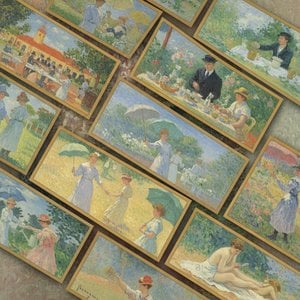
빛과 색채의 마법사 르누아르! 인상주의 대표 화가 르누아르의 명작 25선을 만나보세요. '물랭 드 라 갈레트', '우산 속의 소녀들' 등 시대를 초월하는 아름다움을 WahooArt에서 감상하고, 특별한 공간을 완성하세요. 지금 바로 온라인 컬렉션을 탐험하세요!
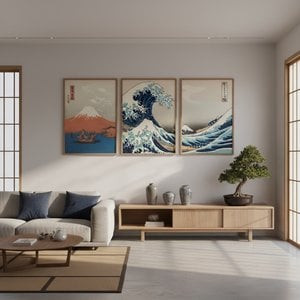
가츠시카 호쿠사이의 최고 걸작 25선을 만나보세요. 우키요에, 대판화 기법과 후지산 풍경의 아름다움을 담은 명작들을 감상하고, WahooArt에서 고품질 아트 프린트와 인테리어 액자를 찾아보세요. 지금 바로 컬렉션을 탐험하세요!

Journey into the heart of Impressionism! Explore 10 masterpieces by Monet, Renoir & Degas that revolutionized landscape art. Discover their stories, techniques & find museum-quality reproductions to elevate your home decor on WahooArt.com.
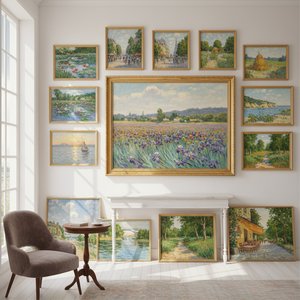
인상주의 풍경화의 정수를 담은 10대 걸작! 모네, 르누아르 등 거장의 작품 비하인드 스토리와 예술혼을 만나보세요. WahooArt에서 고품격 미술 복제 및 인테리어 영감을 얻고, 당신의 공간에 예술적 감성을 더하세요. 지금 바로 WahooArt.com에서 모든 걸작을 발견해보세요!

존 컨스터블 대표작 25선을 만나보세요. 영국 풍경화 거장의 자연주의 회화, 데담 밸리의 아름다움과 헤이 웨인의 정취를 담은 명화를 감상하세요. WahooArt에서 고품질 예술 작품 복제본을 소장하고 특별한 인테리어를 완성해보세요. 지금 바로 컬렉션을 탐험하세요!


 미리보기
미리보기
 공유하기
공유하기 공유하기
공유하기
 상세 정보
상세 정보 가이드 보기

 다운로드
다운로드
 유사 작품
유사 작품 X-레이
X-레이 슬라이드 쇼
 통계 정보
통계 정보

 더 보기
더 보기









 유리 옵션은 110cm 미만 크기에서만 선택 가능합니다.


