미리보기미리보기 AR 미리보기AR 미리보기 손으로 그린 그림 구매 손으로 그린 그림 구매이미지 구매 이미지 구매 공유하기공유하기
상세 정보상세 정보 즐겨찾기에 추가 즐겨찾기에 추가 다운로드다운로드 유사 작품유사 작품 X-레이X-레이 슬라이드 쇼슬라이드 쇼

Still Life with Melon

Pierre-Auguste Renoir's 'Still Life with Melon' (1882) captures vibrant fruit & textures, showcasing Impressionism’s beauty. Explore this iconic work and Renoir’s legacy in art!

피에르 오귀스트 레노아는 인상주의 화가로 유명하며 그의 작품들은 빛과 색채를 섬세하게 표현하여 삶의 아름다움을 담았습니다. 특히 루농 드 보타이 경회록과 광장 무용회 같은 그림은 인상주의 스타일을 대표하며 미술사에서 중요한 위치를 차지합니다.

지클레 / 아트 프린트

빠른 제작과 다양한 마감 옵션을 제공하는 박물관 품질의 지클레이 또는 캔버스 프린트. (손으로 그린 그림 구매 손으로 그린 그림 구매이미지 구매 이미지 구매)

P118B $10
P118H $10
P118W $10
P438Z $10
P508JH $12
P508YH $12
P805H $10
P805Z $10
P919BZ $10
P919G $10
P919XJ $10
P959ZH $10
P968JZ $12
W106C $8
W218G $10
W218JH $8
W218Y $10
W307PJ $10
W316G $10
W316PJ $8
W316Y $10
W398PJ $8
W4111J $10
W500HY $15
W500JH $15
W692G $12
W849H $8
W940BG $15
W953PJ $8

표준 규격
맞춤형
CM
INCH

작품의 원본 비율을 유지하는 미리 설정된 크기 중에서 선택하세요.

가로 너비
세로 길이

특정 프레임이나 공간에 맞춰 직접 치수를 입력하실 수 있습니다. 선택하신 사이즈가 원본 이미지의 비율과 일치하지 않을 경우, 작품을 크롭(자르기)하거나 이미지를 대칭 또는 단색 채우기로 확장하여 제작합니다. 제작 시작 전, 최종 확인을 위해 디지털 목업이 전송됩니다.
화면상의 미리보기는 실제 크롭이나 확장 상태를 반영하지 않으므로, 최종 구도는 오직 목업을 통해서만 정확하게 확인하실 수 있습니다.
맞춤 사이즈 제작도 가능하지만, 원본 비율을 유지하기 위해서는 사전 정의된 목록에서 치수를 선택하시는 것을 권장합니다.

전 세계 배송()은 일반적인 4~5주의 소요 기간 대신 2주 이내에 완료됩니다. (7 9월)

why_choose_icon
전 세계 무료 특급 배송
why_choose_icon
프리미엄 린넨 캔버스
why_choose_icon
전체 배송 보험 보장
why_choose_icon
관세 환불 보장
why_choose_icon
실제 색상 일치 보장
why_choose_icon
100일 반품 정책 (결함 발생 시에만 적용)
why_choose_icon
100% 환불 보장
why_choose_icon
다량 구매 할인 혜택

총 합계 금액

$ 68

reproduction

Still Life with Melon

지클레 / 아트 프린트

복제본 크기

-

최종 결제 금액

$ 68

작품 정보 요약

  • Influences: Cézanne
  • Subject or theme: Still life
  • Movement: Impressionism
  • Year: 1882
  • Location: Private Collection
  • Notable elements: Pumpkin, apples, bowls
  • Title: Still Life with Melon

예술 상식 퀴즈

각 질문의 정답은 하나뿐입니다.

질문 1:
What is the primary subject matter of Pierre-Auguste Renoir’s ‘Still Life with Melon’?
질문 2:
In what artistic style was ‘Still Life with Melon’ created?
질문 3:
The painting prominently features a pumpkin. What is the significance of this element within the composition?
질문 4:
Which artist was notably influenced by Renoir’s approach to still life compositions, as evidenced in his own works?
질문 5:
The brushstrokes in ‘Still Life with Melon’ are described as being:

Still Life with Melon: A Glimpse of Impressionist Delight

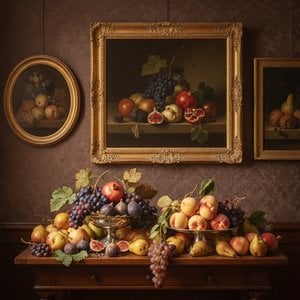
Pierre-Auguste Renoir’s “Still Life with Melon,” painted in 1882, isn't merely a depiction of fruit; it’s an invitation to savor the fleeting beauty of everyday life – a core tenet of the burgeoning Impressionist movement. This oil on canvas captures a moment suspended in time, bathed in dappled light and imbued with a palpable sense of warmth and sensuality. The painting immediately draws the eye to the central subject: a plump, inviting melon resting upon a simple white cloth. Its vibrant yellow hue, punctuated by subtle variations in shade, speaks of ripeness and abundance, while its smooth surface practically begs to be touched – a deliberate gesture from Renoir towards engaging the viewer’s senses. Around this focal point, a carefully arranged tableau unfolds: a scattering of apples—some blushing red, others a deeper russet—adds bursts of color and texture, hinting at the bounty of autumn. A couple of bowls, strategically placed to the left and right, cradle grapes and other fruits, their reflections shimmering faintly on the cloth, mirroring the light above. A single banana, positioned deliberately on the far left, provides an unexpected pop of tropical vibrancy, a subtle nod to the exotic influences shaping Impressionist art at the time.

The Language of Light and Color: An Impressionist Masterpiece

Renoir’s genius lies not in meticulous detail or photographic realism, but in his ability to capture the *impression* of light and color—the very essence of a fleeting moment. His brushstrokes are loose, visible, and deliberately unblended, creating a shimmering effect that mimics the way sunlight dances across surfaces. Notice how he doesn’t attempt to render the melon as a solid form; instead, he builds it up through layers of broken color, allowing the light to define its shape and texture. This technique is characteristic of Impressionism, rejecting the academic emphasis on precise representation in favor of conveying the subjective experience of seeing. The warm tones—ochres, yellows, and reds—dominate the composition, creating a sense of intimacy and comfort, while subtle blues and greens peek through, adding depth and complexity to the scene. The artist’s use of *plein air* painting – working outdoors directly from nature – is evident in the freshness and spontaneity of the colors, further enhancing the feeling that we are witnessing a genuine moment captured on canvas.

Echoes of Tradition and Innovation: Cézanne's Influence

“Still Life with Melon” stands as a pivotal work within Renoir’s artistic development, reflecting both his admiration for traditional still life conventions and his embrace of modern innovations. The composition itself—a carefully arranged table laden with fruit—echoes the works of artists like Sánchez Cotán, a Spanish painter known for his meticulously detailed depictions of inanimate objects from the 16th century. However, Renoir departs significantly from this tradition by prioritizing color and light over precise form. The influence of Paul Cézanne is particularly noticeable in Renoir’s approach to depicting volume and space. Cézanne, another key figure in Post-Impressionism, explored the underlying geometric structure of objects, often simplifying forms while maintaining a sense of solidity and depth. Renoir subtly incorporates this principle into his work, suggesting three-dimensionality through careful color choices and brushwork—a move that paved the way for later developments in modern art.

Beyond the Still Life: A Reflection on Beauty and Modernity

“Still Life with Melon” transcends its simple subject matter to become a meditation on beauty, pleasure, and the changing world of 19th-century France. The painting was created during a period of rapid social and technological change, marked by industrialization and urbanization. Impressionist artists sought to capture the fleeting moments of beauty that remained amidst this transformation—a response to the anxieties and uncertainties of modern life. The inclusion of the banana, a relatively exotic fruit at the time, hints at the growing influence of global trade and travel on French culture. Furthermore, Renoir’s focus on domestic scenes—such as this still life—reflects a broader trend towards celebrating everyday life and ordinary people within the art world. The painting's enduring appeal lies in its ability to evoke a sense of nostalgia for a simpler time, while simultaneously capturing the vibrant energy and optimism of the Impressionist movement. It’s a testament to Renoir’s skill as an artist—and a beautiful reminder that even the most humble subjects can be transformed into works of art.

For those seeking a high-quality reproduction of this iconic painting, or to explore more of Renoir's captivating oeuvre, visit The Boating Party Lunch by Renoir or Early Spring, Emileville, Quebec by Alexander Young Jackson.


작가 약력

빛으로 물든 삶: 피에르 오귀스트 르누아르의 세계

1841년 리무주에서 태어난 피에르 오귀스트 르누아르는 겸손한 도자기 화가로 시작하여 인상주의 거장이 되는 여정은 그의 확고한 헌신과 예술적 비전을 증명합니다. 어린 시절, 경제적인 기회를 찾아 가족과 함께 파리로 이주한 경험은 그의 예술적 감수성에 깊은 영향을 미쳤습니다. 번화한 도시, 활기찬 거리 생활, 다양한 인물들은 그의 후기 작품에 영감을 불어넣었습니다. 처음에는 생계를 위해 도자기 페인터로 일했지만, 젊은 르누아르는 루브르 박물관을 자주 방문하며 고대 거장들을 정밀하게 연구하고 아름다움에 대한 감상을 키웠습니다. 이러한 초기 경험은 단순한 기술 이상의 열정을 불러일으켰고, 캔버스 위에 빛과 삶의 순간적인 특성을 담아내고자 하는 소명을 갖게 했습니다. 이후 샤를 글레르의 스튜디오에서 클로드 모네, 알프레드 시슬레이, 프레데릭 바질 등 야심찬 예술가들과 평생 우정을 맺으며 인상주의 운동의 토대를 마련했습니다.

사실주의에서 찬란한 인상주의로: 예술적 진화

르누아르의 예술적 발전은 다양한 거장들의 영향을 받은 매혹적인 과정이었습니다. 그는 처음에 구스타브 쿠르베와 에두아르 마네의 사실주의에 끌려, 현대 생활을 정직하고 직접적으로 묘사하려는 그들의 노력에 감탄했습니다. 그러나 피터 폴 루벤스와 장-안투안 와테우의 빛나는 팔레트와 관능적인 형태는 그의 작품에 깊은 아름다움에 대한 감사와 기쁨과 여가를 묘사하는 경향을 심어주었습니다. 이러한 초기 영향력은 르누아가 자신만의 독특한 스타일을 구축하기 시작하면서 융합되었고, 생생한 색상, 부서진 붓놀림, 빛의 순간적인 효과를 포착하는 데 중점을 두는 것이 특징입니다. 1874년 첫 인상주의 전시회에 참여한 것은 중요한 전환점이 되었지만 처음에는 전통적인 미술계로부터 비판을 받았습니다. 이 대담한 행보는 학문적 관습을 거부하고 새로운 예술적 비전을 받아들이는 것을 의미했습니다. 무슈 드라망의 피크닉과 같은 작품은 시청자를 햇빛이 가득한 분위기와 즐거운 인물들로 몰입시켜 순간을 포착하는 접근 방식을 보여줍니다.

삶의 덧없는 순간을 담아내다: 주요 작품과 주제

르누아르의 작품 세계는 삶의 단순한 즐거움, 친밀한 모임, 햇빛이 가득한 풍경, 인간 형태의 빛나는 아름다움을 기념합니다. 물랭 드 라갈레트에서의 춤은 그의 가장 상징적인 작품 중 하나로 손꼽히며, 세느 강에서 여가를 즐기는 사교적 그룹을 묘사하며 따뜻한 햇빛과 물에 반사되는 빛이 어우러져 생동감 넘치는 분위기를 자아냅니다. 목욕 후의 아가씨는 섬세한 피부톤과 우아한 자세를 강조하여 여성 누드를 묘사하는 그의 뛰어난 기술을 보여줍니다. 그의 그림은 단순한 현실의 재현이 아니라 따뜻함, 친밀감, 기쁨으로 가득 찬 감정이 시청자와 깊이 공명합니다. 그는 위대한 역사적 서사나 극적인 우화에 관심이 없었고, 대신 일상 생활에서 내재된 아름다움을 포착하여 평범한 순간을 예술 작품으로 끌어올렸습니다. 부지발에서의 춤과 같은 또 다른 유명한 작품은 순간성과 분위기 효과를 포착하는 그의 능력을 보여주며 움직임과 즉흥성을 느끼게 합니다.

형태와 구조로의 전환: 후기 여생과 유산

1890년대에 르누아르는 상당한 스타일 변화를 겪었습니다. 그는 인상주의 뿌리를 완전히 버리지는 않았지만, 이탈리아 여행과 형태와 구조에 대한 새로운 관심으로 인해 보다 조각적이고 고전적인 접근 방식을 향해 나아가기 시작했습니다. 이러한 변화는 또한 관절염으로 인한 신체적 제약의 영향을 받았으며, 이는 그의 기술을 조정해야 했습니다. 이러한 어려움에도 불구하고 르누아르는 확고한 헌신으로 작업하며 더 풍만한 인물과 따뜻한 팔레트를 특징으로 하는 작품들을 제작했습니다. 그의 후기 그림은 종종 보다 사색적인 분위기를 반영하지만, 그의 초기 작품을 정의했던 아름다움을 기념하는 동일한 근본적인 요소를 유지합니다. 예술적 업적 외에도 르누아르의 유산은 그의 가족을 통해 이어집니다. 그의 아들 장 르누아르는 유명한 영화 감독이 되어 세대를 거쳐 창의적인 정신을 계승했습니다. 1919년 피에르 오귀스트 르누아르는 전 세계 관객들에게 영감을 주고 기쁨을 선사하는 지속적인 작품을 남기고 사망했습니다. 그는 예술 역사상 가장 사랑받는 인물 중 한 명으로 남아 있으며, 감수성 넘치고 우아함으로 삶의 기쁨과 인간 경험의 아름다움을 포착할 수 있는 능력으로 기념됩니다.

영속적인 영향

  • 르누아르의 영향력은 현대 미술 운동을 포함하여 후대 예술가들에게 부정할 수 없습니다. 빛, 색상 및 순간을 포착하는 데 대한 그의 강조는 새로운 예술적 가능성을 열었습니다.
  • 그의 아름다움과 관능에 대한 기념은 오늘날까지도 청중에게 공감을 불러일으키며 그의 작품을 보편적으로 매력적으로 만듭니다.
  • 그는 인상주의를 주요 미술 사조로 확립하는 데 중요한 역할을 했으며, 전통적인 관습에 도전하고 새로운 예술적 표현의 가능성을 열었습니다.
  • 그의 그림은 수많은 포스터, 달력 및 기타 상품에 재현되어 그의 작품의 시대를 초월한 품질을 증명합니다.
르누아르

르누아르

1841 - 1919 , 프랑스

주요 정보

  • 국적: 프랑스인
  • 대표작:
    • 물랭 드 라 갈레트의 춤
    • 보트놀이 사람들의 오찬
    • 목욕 후
    • 부기발의 춤
  • 사망일: 1919년 12월 3일
  • 영향을 받은 예술 사조: ['인상주의']
  • 영향을 준 예술가:
    • 루벤스
    • 와타르
  • 예술 사조: 인상주의
  • 전체 이름: 피에르 오귀스트 르누아르
  • 출생일: 1841년 2월 25일
  • 출생지: 리무주, 프랑스
테마, 스타일 및 특징별로 분류된 작품들을 만나보세요.