
빠른 제작과 다양한 마감 옵션을 제공하는 박물관 품질의 지클레이 또는 캔버스 프린트. ( 손으로 그린 그림 구매 디지털 이미지로 전환)





























작품의 원본 비율을 유지하는 미리 설정된 크기 중에서 선택하세요.

특정 프레임이나 공간에 맞춰 직접 치수를 입력하실 수 있습니다. 선택하신 사이즈가 원본 이미지의 비율과 일치하지 않을 경우, 작품을 크롭(자르기)하거나 이미지를 대칭 또는 단색 채우기로 확장하여 제작합니다. 제작 시작 전, 최종 확인을 위해 디지털 목업이 전송됩니다.
화면상의 미리보기는 실제 크롭이나 확장 상태를 반영하지 않으므로, 최종 구도는 오직 목업을 통해서만 정확하게 확인하실 수 있습니다.
맞춤 사이즈 제작도 가능하지만, 원본 비율을 유지하기 위해서는 사전 정의된 목록에서 치수를 선택하시는 것을 권장합니다.

Still Life
복제본 크기
Pierre-Auguste Renoir's "Still Life," a vibrant tableau of fruit bathed in dappled light, isn’t merely a depiction of apples and oranges; it’s an exquisite distillation of Impressionist philosophy. Completed around 1885, this painting captures the fleeting beauty of everyday objects – a commonplace bowl, a rustic table – transformed into a luminous meditation on color, texture, and the ephemeral nature of light. It stands as a testament to Renoir's ability to elevate the ordinary to the realm of art, mirroring his lifelong fascination with capturing the transient effects of natural illumination.
The composition is deceptively simple yet profoundly effective. A humble wooden table anchors the scene, its surface subtly textured to suggest age and wear. Upon it rests a bowl overflowing with ripe apples – some ruby red, others a cheerful yellow – alongside two vibrant oranges. The arrangement isn’t meticulously planned; rather, it feels intuitively balanced, reflecting Renoir's preference for spontaneity and direct observation. His signature loose brushstrokes are immediately apparent: short, broken dabs of color applied with rapid succession, creating an almost shimmering effect. Notice how he doesn’t attempt to render the objects with photographic precision but instead focuses on conveying their essence through a vibrant interplay of hues. The light itself seems to dance across the surfaces, reflected and refracted in countless tiny strokes – a hallmark of Impressionist technique.
Renoir’s “Still Life” is deeply rooted in the burgeoning movement of Impressionism, which sought to capture the subjective experience of seeing rather than objective reality. Influenced by artists like Claude Monet and Edgar Degas, Renoir abandoned traditional academic painting conventions – precise lines, detailed rendering – in favor of capturing the immediate impression of light and color. This work exemplifies that approach perfectly. The painting’s focus on fleeting moments, atmospheric effects, and the artist's personal perception aligns directly with the core tenets of Impressionism. Furthermore, Renoir’s exploration of color—the warm reds and yellows of the fruit contrasted against the cooler tones of the table—demonstrates a keen awareness of how colors interact and influence each other. It’s significant to note that this style was influenced by Cézanne's work, who sought to capture the underlying structure of objects through simplified forms and bold color choices.
While seemingly a straightforward depiction of fruit, “Still Life” carries subtle symbolic weight. Fruit, particularly apples and oranges, have long been associated with abundance, prosperity, and the cycle of life. The arrangement itself suggests a sense of quiet domesticity—a moment captured within the confines of a home. The painting’s overall mood is one of serene elegance, inviting contemplation and a appreciation for the simple pleasures of everyday life. It's not a dramatic or overtly emotional work; rather, it evokes a feeling of warmth, comfort, and a gentle connection to nature. The careful selection of colors and the loose brushwork contribute to this sense of tranquility, creating an image that is both visually captivating and emotionally resonant.
WahooArt offers meticulously hand-painted reproductions of Renoir’s “Still Life,” allowing art lovers to experience the beauty and nuance of this iconic Impressionist masterpiece in their own homes. Explore our collection at https://WahooArt.com.


1841 - 1919 , 프랑스

Explore the profound beauty of fruit arrangement masterpieces. From Dutch Golden Age opulence to Baroque chiaroscuro, discover the art history, symbolism, and timeless elegance of classical still life paintings for the discerning collector.
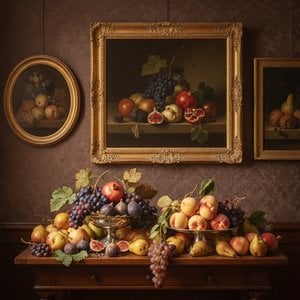
Discover the profound beauty of fruit still life paintings. Explore the rich symbolism, Baroque mastery, and timeless allure of nature's bounty through an art-historical lens, perfect for collectors and enthusiasts of classical fine art.

Discover the luminous world of Pierre-Auguste Renoir. Explore an expert guide to his mastery of light, color, and joy through the lens of Impressionist history, perfect for fine art enthusiasts and collectors seeking timeless elegance.


 미리보기
미리보기
 공유하기
공유하기 공유하기
공유하기
 상세 정보
상세 정보

 다운로드
다운로드
 유사 작품
유사 작품 X-레이
X-레이 슬라이드 쇼
 통계 정보
통계 정보
 더 보기
더 보기









 유리 옵션은 110cm 미만 크기에서만 선택 가능합니다.


