
x


빠른 제작과 다양한 마감 옵션을 제공하는 박물관 품질의 지클레이 또는 캔버스 프린트. ( 손으로 그린 그림 구매 이미지 구매)





























작품의 원본 비율을 유지하는 미리 설정된 크기 중에서 선택하세요.

특정 프레임이나 공간에 맞춰 직접 치수를 입력하실 수 있습니다. 선택하신 사이즈가 원본 이미지의 비율과 일치하지 않을 경우, 작품을 크롭(자르기)하거나 이미지를 대칭 또는 단색 채우기로 확장하여 제작합니다. 제작 시작 전, 최종 확인을 위해 디지털 목업이 전송됩니다.
화면상의 미리보기는 실제 크롭이나 확장 상태를 반영하지 않으므로, 최종 구도는 오직 목업을 통해서만 정확하게 확인하실 수 있습니다.
맞춤 사이즈 제작도 가능하지만, 원본 비율을 유지하기 위해서는 사전 정의된 목록에서 치수를 선택하시는 것을 권장합니다.

Orange Trees
복제본 크기
Pierre-Auguste Renoir’s “Orange Trees,” painted circa 1872-1873, isn't merely a depiction of a Provençal landscape; it’s an immersion into the very essence of summer. This vibrant canvas captures a fleeting moment in the fields surrounding Argenteuil, just outside Paris, and immediately draws the viewer into its sun-drenched embrace. The scene unfolds with a remarkable sense of immediacy – as if we've stepped directly onto the grassy verge, warmed by the afternoon light. It’s a painting that speaks volumes about Renoir’s fascination with capturing the ephemeral beauty of everyday life, a core tenet of the Impressionist movement.
The composition is deceptively simple yet profoundly effective. A gentle slope leads our eye towards a cluster of orange trees laden with fruit, their branches heavy and drooping under the weight of their bounty. Scattered amongst them are several sheep, grazing peacefully – not as subjects to be studied, but integrated seamlessly into the landscape, contributing to the overall feeling of harmonious coexistence. Renoir masterfully employs broken brushstrokes, layering colors rather than meticulously blending them, creating a shimmering effect that mimics the play of light on foliage and water. The palette is rich and luminous, dominated by shades of green – from the deep emerald of the distant trees to the lighter, almost turquoise hues of the foreground grasses – punctuated by the fiery oranges of the fruit and the warm yellows of the sunlight.
“Orange Trees” is a quintessential example of Impressionist technique. Renoir, like his contemporaries Monet and Sisley, was driven by a desire to capture not just the *appearance* of a scene, but its *impression*. He prioritized the fleeting effects of light and atmosphere over precise detail or photographic accuracy. This is evident in the loose brushwork, the vibrant colors applied directly from the tube, and the emphasis on capturing the transient qualities of the moment. The painting isn’t about rendering a perfect representation; it's about conveying the *feeling* of being there – the warmth of the sun, the scent of blossoms, the gentle rustle of leaves.
The painting’s context within the Impressionist movement is crucial to understanding its significance. Following the academic traditions of the Salon, where detailed realism was prized, Renoir and his colleagues sought a new approach to art – one that prioritized subjective experience and the artist's personal perception. They rejected the dark, dramatic palettes favored by earlier generations, opting instead for brighter, more optimistic colors. “Orange Trees” embodies this shift perfectly, radiating an almost joyful exuberance.
Beyond its purely aesthetic qualities, "Orange Trees" is laden with symbolic meaning. The abundance of fruit represents fertility, prosperity, and the bounty of nature – a recurring theme in Impressionist art. The sheep, symbols of innocence and simplicity, further reinforce this pastoral ideal. They are not merely livestock; they embody a connection to the land and a celebration of rural life. The choice of an orange grove specifically evokes the South of France, a region associated with leisure, beauty, and artistic inspiration – a place where Renoir often sought refuge from the bustle of Paris.
Furthermore, the painting’s composition—the gentle slope, the scattered sheep, the dappled sunlight—creates a sense of tranquility and harmony. It's a scene that invites contemplation and offers a respite from the complexities of modern life. The artist seems to be suggesting that true beauty lies in the simple pleasures of nature and the appreciation of fleeting moments.
Today, “Orange Trees” remains one of Renoir’s most beloved works, admired for its luminous colors, evocative atmosphere, and masterful depiction of light. WahooArt offers meticulously crafted hand-painted reproductions that faithfully capture the essence of this iconic painting. These high-quality reproductions are ideal for interior design, bringing a touch of Provençal charm to any space. Whether you’re an art enthusiast, a collector, or simply seeking to add a vibrant and inspiring piece to your home, a reproduction of “Orange Trees” is sure to delight and captivate.

1841 - 1919 , 프랑스
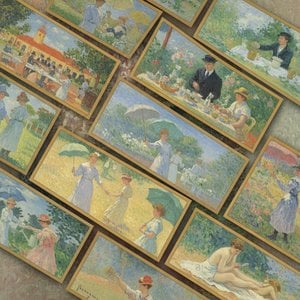
빛과 색채의 마법사 르누아르! 인상주의 대표 화가 르누아르의 명작 25선을 만나보세요. '물랭 드 라 갈레트', '우산 속의 소녀들' 등 시대를 초월하는 아름다움을 WahooArt에서 감상하고, 특별한 공간을 완성하세요. 지금 바로 온라인 컬렉션을 탐험하세요!
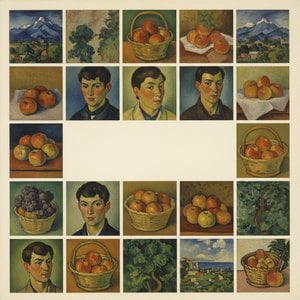
폴 세잔의 시대를 초월하는 명작 25점을 만나보세요. 인상주의를 넘어 후기 인상주의를 개척한 화가의 예술 세계와 정물화, 풍경화 속 숨겨진 이야기를 WahooArt에서 감상하세요. 고품질 아트 프린트와 캔버스 액자로 공간에 예술을 더해보세요! 지금 바로 컬렉션을 탐험하세요.

Journey into the heart of Impressionism! Explore 10 masterpieces by Monet, Renoir & Degas that revolutionized landscape art. Discover their stories, techniques & find museum-quality reproductions to elevate your home decor on WahooArt.com.

Explore the rich history of landscape art with WahooArt. Discover renowned artists, movements like Impressionism & Romanticism, and expert guidance for collecting timeless pieces. Find your perfect serene escape today!

Explore the rich history of landscape art with WahooArt. Discover renowned artists, movements like Impressionism & tonalism, and expert guidance for collecting timeless pieces. Find your perfect serene escape today!


최신 미술 뉴스, 특별 혜택 및 인테리어 아이디어를 가장 먼저 만나보세요.
프로젝트에 대해 알려주시면 저희 미술 전문가들이 맞춤형 아트 제안 3가지를 전달해 드립니다.
당신만을 위한 맞춤형 옵션 3가지를 무료로 추천해 드립니다!


 미리보기
미리보기
 공유하기
공유하기 공유하기
공유하기
 상세 정보
상세 정보

 다운로드
다운로드
 유사 작품
유사 작품 X-레이
X-레이 슬라이드 쇼
 더 보기
더 보기









 유리 옵션은 110cm 미만 크기에서만 선택 가능합니다.


