
빠른 제작과 다양한 마감 옵션을 제공하는 박물관 품질의 지클레이 또는 캔버스 프린트. ( 손으로 그린 그림 구매 디지털 이미지로 전환)





























작품의 원본 비율을 유지하는 미리 설정된 크기 중에서 선택하세요.

특정 프레임이나 공간에 맞춰 직접 치수를 입력하실 수 있습니다. 선택하신 사이즈가 원본 이미지의 비율과 일치하지 않을 경우, 작품을 크롭(자르기)하거나 이미지를 대칭 또는 단색 채우기로 확장하여 제작합니다. 제작 시작 전, 최종 확인을 위해 디지털 목업이 전송됩니다.
화면상의 미리보기는 실제 크롭이나 확장 상태를 반영하지 않으므로, 최종 구도는 오직 목업을 통해서만 정확하게 확인하실 수 있습니다.
맞춤 사이즈 제작도 가능하지만, 원본 비율을 유지하기 위해서는 사전 정의된 목록에서 치수를 선택하시는 것을 권장합니다.

멜론과 토마토
복제본 크기
Pierre-Auguste Renoir's 1903 painting, "Melon and Tomatos," isn’t merely a still life; it’s an exquisite distillation of Impressionist philosophy—a celebration of light, color, and the simple pleasures of everyday life. Held within a private collection today, this work offers a glimpse into Renoir's masterful ability to capture fleeting moments and imbue them with profound beauty. Measuring just 46 x 54 centimeters, it’s a remarkably intimate piece, inviting the viewer into a sun-drenched corner of a Parisian summer afternoon.
Renoir, already a celebrated figure in the Impressionist movement by this period, had developed a distinctive style characterized by loose brushstrokes and an emphasis on capturing the effects of light. He moved beyond the rigid academic traditions of his earlier training, embracing a more spontaneous and subjective approach to painting. “Melon and Tomatos” exemplifies this shift perfectly – it’s not about meticulously rendering each detail but rather conveying the *impression* of the scene: the warmth of the sun on the fruit, the subtle play of shadows, and the overall feeling of tranquility.
The painting's composition is deceptively simple yet remarkably effective. A plump melon, rendered in warm yellows and greens, dominates the center of the canvas, acting as the focal point. Around it, a carefully arranged assortment of tomatoes—a vibrant crimson against the lighter tones – creates a harmonious circle. Two apples, one positioned on the left side of a rustic table and another nestled towards the top-right corner, add subtle visual interest and contribute to the sense of balance. The inclusion of these fruits isn’t arbitrary; it speaks to Renoir's fascination with capturing the bounty of nature and its inherent beauty.
Renoir’s color palette is a key element of the painting’s allure. He employs a masterful blend of warm hues—ochres, yellows, and reds—to evoke the feeling of sunlight filtering through the air. The melon and tomatoes are painted with a vibrant intensity, while the apples introduce a touch of cooler tones, creating a dynamic interplay between warmth and coolness. This careful orchestration of color not only enhances the visual appeal but also contributes to the painting’s overall sense of harmony and depth.
As with all Impressionist works, “Melon and Tomatos” is defined by Renoir's distinctive brushwork. He employs short, broken strokes—often applied in a seemingly haphazard manner—to capture the fleeting effects of light and shadow. These visible brushstrokes create a sense of movement and immediacy, as if the scene were captured in a single, vibrant moment. The artist’s technique is less about precise representation and more about conveying the *experience* of seeing – the way light dances on surfaces, the subtle shifts in color, and the overall atmosphere of the scene.
Renoir's use of *plein air* painting—working outdoors directly from nature—contributed significantly to his Impressionist style. He sought to capture the ephemeral qualities of light and atmosphere, often working rapidly to fix his observations on canvas before they changed. This approach is evident in “Melon and Tomatos,” where the artist’s brushstrokes seem to mimic the dappled sunlight filtering through leaves or the shimmering heat haze above a summer field.
“Melon and Tomatos” stands as a testament to Renoir's enduring legacy as one of the most beloved Impressionist painters. It’s often compared to works by other masters, such as Paul Cézanne’s still lifes, which emphasize geometric forms and structure, and Henri Matisse’s bold use of color. However, Renoir’s work retains a distinctly lyrical quality—a sense of grace, beauty, and emotional resonance that sets it apart.
The painting's placement in Somerville College, Oxford, adds another layer to its story. This institution, with its rich history as a women’s college, represents a space dedicated to the appreciation and preservation of art. It serves as a reminder that beauty and artistic expression transcend boundaries and can be found in the simplest of subjects – a melon, some tomatoes, and the fleeting magic of light.
For those seeking a high-quality reproduction of this captivating masterpiece, WahooArt offers meticulously hand-painted oil paintings that faithfully capture Renoir’s vision. Explore our collection today and bring a touch of Impressionist beauty into your home.

1841 - 1919 , 프랑스

Discover the luminous world of Pierre-Auguste Renoir. Explore an expert guide to his mastery of light, color, and joy through the lens of Impressionist history, perfect for fine art enthusiasts and collectors seeking timeless elegance.
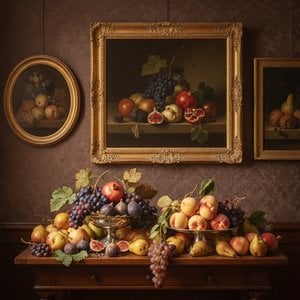
Discover the profound beauty of fruit still life paintings. Explore the rich symbolism, Baroque mastery, and timeless allure of nature's bounty through an art-historical lens, perfect for collectors and enthusiasts of classical fine art.

Explore the profound beauty of fruit arrangement masterpieces. From Dutch Golden Age opulence to Baroque chiaroscuro, discover the art history, symbolism, and timeless elegance of classical still life paintings for the discerning collector.


 미리보기
미리보기
 공유하기
공유하기 공유하기
공유하기
 상세 정보
상세 정보

 다운로드
다운로드
 유사 작품
유사 작품 X-레이
X-레이 슬라이드 쇼
 통계 정보
통계 정보


 더 보기
더 보기









 유리 옵션은 110cm 미만 크기에서만 선택 가능합니다.


