
빠른 제작과 다양한 마감 옵션을 제공하는 박물관 품질의 지클레이 또는 캔버스 프린트. ( 손으로 그린 그림 구매 디지털 이미지로 전환)





























작품의 원본 비율을 유지하는 미리 설정된 크기 중에서 선택하세요.

특정 프레임이나 공간에 맞춰 직접 치수를 입력하실 수 있습니다. 선택하신 사이즈가 원본 이미지의 비율과 일치하지 않을 경우, 작품을 크롭(자르기)하거나 이미지를 대칭 또는 단색 채우기로 확장하여 제작합니다. 제작 시작 전, 최종 확인을 위해 디지털 목업이 전송됩니다.
화면상의 미리보기는 실제 크롭이나 확장 상태를 반영하지 않으므로, 최종 구도는 오직 목업을 통해서만 정확하게 확인하실 수 있습니다.
맞춤 사이즈 제작도 가능하지만, 원본 비율을 유지하기 위해서는 사전 정의된 목록에서 치수를 선택하시는 것을 권장합니다.

Landscape at Cagnes
복제본 크기
Pierre-Auguste Renoir’s “Landscape at Cagnes,” painted in 1907, is more than just a depiction of a Provençal scene; it's an immersion into a fleeting moment of serenity and light. This captivating fresco, now beautifully rendered as a handmade oil painting reproduction available through WahooArt.com, offers a glimpse into the artist’s mature style – a harmonious blend of Impressionism’s vibrant color palette with a subtle, almost nostalgic quality that speaks to his later years.
The scene unfolds along a dusty path winding its way through a grove of olive trees, their silvery branches framing a view of a modest farmhouse nestled amongst the rolling hills. The composition is deceptively simple: a dirt road leading into the distance, punctuated by the figures of several individuals – a woman gracefully walking towards the viewer, and others glimpsed in the background, adding a touch of human presence to the otherwise solitary landscape. A single bird soars overhead, injecting a sense of movement and vitality into the tranquil tableau. It’s a scene that immediately evokes a feeling of warmth, peace, and connection with nature – qualities deeply rooted in Renoir's artistic philosophy.
Renoir’s masterful technique is evident in every brushstroke. He employs loose, expressive strokes of color to capture the dappled sunlight filtering through the trees, creating a shimmering effect that dances across the canvas. The colors are rich and luminous – deep greens, warm yellows, and hints of azure blue – all blended seamlessly together with remarkable fluidity. This technique is characteristic of Impressionism, where the goal was not to meticulously represent reality but rather to convey the *impression* of it—the fleeting effects of light and atmosphere. Notice how he uses broken color, layering hues to create depth and luminosity, a hallmark of his later work.
The painting’s composition is carefully balanced, drawing the eye towards the distant path while simultaneously anchoring it in the immediate foreground. The placement of the figures – particularly the woman walking alone – invites contemplation and encourages the viewer to lose themselves in the scene's quiet beauty. It’s a deliberate choice that underscores Renoir’s fascination with capturing not just landscapes, but also the emotional resonance they evoke.
“Landscape at Cagnes” was painted during a pivotal period in Renoir's life. In 1907, he purchased the estate of Les Collettes near Cagnes-sur-Mer on the French Riviera, seeking respite from the hustle and bustle of Paris and its demanding art scene. This move marked a significant shift for the artist, who had previously favored urban subjects. Cagnes offered him a slower pace of life, surrounded by the beauty of nature – olive groves, vineyards, and the azure waters of the Mediterranean—inspiring a new wave of landscape paintings that are among his most beloved.
The painting itself reflects this newfound appreciation for the natural world. It’s a departure from some of his earlier, more overtly social scenes, focusing instead on the quiet beauty of the countryside. The presence of the woman walking alone suggests a sense of solitude and introspection—a theme that would become increasingly prominent in Renoir's work during his later years.
WahooArt.com offers exquisite, handmade oil painting reproductions of “Landscape at Cagnes,” allowing art enthusiasts to bring this masterpiece into their homes and experience its beauty firsthand. Unlike mass-produced prints, these reproductions are created by skilled artisans who meticulously recreate Renoir's technique and color palette using traditional methods. The result is a stunningly accurate representation that captures the essence of the original painting while retaining its own unique charm.
Investing in an WahooArt reproduction isn’t just about acquiring a beautiful piece of art; it’s about preserving a legacy—a testament to Renoir's artistic genius and his enduring ability to capture the beauty of the world around him. Explore more of Renoir’s captivating works on WahooArt.com and delve deeper into the Impressionist movement with a comprehensive overview available at Wikipedia. And for those seeking to further appreciate Renoir’s life and work, consider visiting the Musée Marmottan Monet in Paris, where many of his original paintings are on display.

1841 - 1919 , 프랑스

Journey into the heart of Impressionism! Explore 10 masterpieces by Monet, Renoir & Degas that revolutionized landscape art. Discover their stories, techniques & find museum-quality reproductions to elevate your home decor on WahooArt.com.
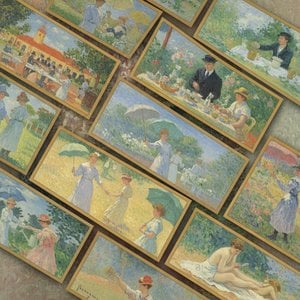
빛과 색채의 마법사 르누아르! 인상주의 대표 화가 르누아르의 명작 25선을 만나보세요. '물랭 드 라 갈레트', '우산 속의 소녀들' 등 시대를 초월하는 아름다움을 WahooArt에서 감상하고, 특별한 공간을 완성하세요. 지금 바로 온라인 컬렉션을 탐험하세요!
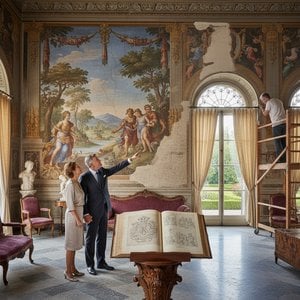
가족 유산의 벽화에 담긴 예술적 전통과 기억 보존의 의미를 탐구합니다. 프레스코 기법의 역사, 제작 과정, 복원 노력을 심층 분석하고 현대적인 응용 가능성을 제시합니다. 전문가의 시각으로 고품격 미술 정보를 제공합니다.

Explore the rich history of landscape art with WahooArt. Discover renowned artists, movements like Impressionism & tonalism, and expert guidance for collecting timeless pieces. Find your perfect serene escape today!
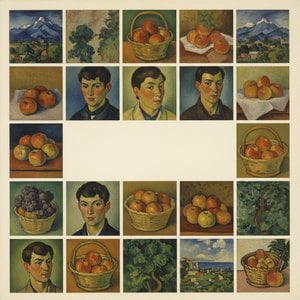
폴 세잔의 시대를 초월하는 명작 25점을 만나보세요. 인상주의를 넘어 후기 인상주의를 개척한 화가의 예술 세계와 정물화, 풍경화 속 숨겨진 이야기를 WahooArt에서 감상하세요. 고품질 아트 프린트와 캔버스 액자로 공간에 예술을 더해보세요! 지금 바로 컬렉션을 탐험하세요.


 미리보기
미리보기
 공유하기
공유하기 공유하기
공유하기
 상세 정보
상세 정보

 다운로드
다운로드
 유사 작품
유사 작품 X-레이
X-레이 슬라이드 쇼
 통계 정보
통계 정보

 더 보기
더 보기









 유리 옵션은 110cm 미만 크기에서만 선택 가능합니다.


