
빠른 제작과 다양한 마감 옵션을 제공하는 박물관 품질의 지클레이 또는 캔버스 프린트. ( 손으로 그린 그림 구매 디지털 이미지로 전환)





























작품의 원본 비율을 유지하는 미리 설정된 크기 중에서 선택하세요.

특정 프레임이나 공간에 맞춰 직접 치수를 입력하실 수 있습니다. 선택하신 사이즈가 원본 이미지의 비율과 일치하지 않을 경우, 작품을 크롭(자르기)하거나 이미지를 대칭 또는 단색 채우기로 확장하여 제작합니다. 제작 시작 전, 최종 확인을 위해 디지털 목업이 전송됩니다.
화면상의 미리보기는 실제 크롭이나 확장 상태를 반영하지 않으므로, 최종 구도는 오직 목업을 통해서만 정확하게 확인하실 수 있습니다.
맞춤 사이즈 제작도 가능하지만, 원본 비율을 유지하기 위해서는 사전 정의된 목록에서 치수를 선택하시는 것을 권장합니다.

Landscape (13)
복제본 크기
Pierre-Auguste Renoir's "Landscape (13)" offers a glimpse into the heart of Impressionism, capturing not just a scene but an atmosphere—a feeling of serene contentment nestled within the French countryside. This painting, though its precise dating remains elusive, embodies the core tenets of Renoir’s artistic philosophy: a celebration of light, color, and the fleeting beauty of everyday life. The composition immediately draws the eye to a gently rolling landscape dominated by trees with an unusual, almost ethereal blue foliage – a detail that hints at a deliberate departure from strict realism and leans heavily into the artist's subjective experience of the scene.
The painting’s strength lies in its masterful use of light. Renoir, deeply influenced by his studies of the Old Masters, particularly the way they captured atmospheric effects, employs broken brushstrokes to create a shimmering quality across the canvas. The dappled sunlight filtering through the trees casts dancing shadows on the grassy areas and the dirt road, suggesting movement and vitality. Notice how he doesn’t attempt to render every leaf or blade of grass with photographic precision; instead, he focuses on conveying the *impression* of these elements – their color, texture, and relationship to light.
A striking element within the composition is the presence of a horse grazing near the center. This isn’t merely a decorative addition; it serves as a powerful symbol of movement and connection within the stillness of the landscape. Horses were frequently depicted in Renoir's work, often representing freedom, vitality, and the pleasures of rural life. The horse’s posture – relaxed yet alert – invites the viewer to imagine themselves part of this idyllic scene, suggesting a harmonious relationship between humanity and nature.
Furthermore, the dirt road itself acts as a visual pathway, drawing the eye into the distance and creating a sense of depth. It subtly implies travel, exploration, and the possibility of encountering new experiences – mirroring the journey of Renoir’s own artistic development from porcelain painting to his celebrated role in Impressionism.
Renoir's technique is quintessential Impressionism: loose, visible brushstrokes applied with a focus on capturing the immediate sensation of light and color. He utilizes a vibrant yet harmonious palette dominated by greens, blues, and browns – colors that evoke the natural world without resorting to rigid representation. The subtle shifts in hue and tone create a sense of atmospheric perspective, making the distant trees appear softer and more muted than those closer to the foreground.
"Landscape (13)" was created during a pivotal period in Renoir's career, as Impressionism gained momentum and established itself as a dominant artistic movement. Following his early apprenticeship, Renoir embraced the freedom of Impressionism, rejecting academic conventions in favor of capturing subjective experiences and fleeting moments. This painting reflects his growing confidence and willingness to experiment with new techniques and approaches.
Renoir’s work profoundly influenced generations of artists, and “Landscape (13)” stands as a testament to his enduring legacy. It's a beautiful example of how he translated the beauty of the natural world onto canvas, inviting viewers to share in his appreciation for light, color, and the simple pleasures of life. A reproduction of this piece offers an accessible way to bring this serene vision into any home or office, capturing the essence of Renoir’s artistic genius.

1841 - 1919 , 프랑스

존 컨스터블 대표작 25선을 만나보세요. 영국 풍경화 거장의 자연주의 회화, 데담 밸리의 아름다움과 헤이 웨인의 정취를 담은 명화를 감상하세요. WahooArt에서 고품질 예술 작품 복제본을 소장하고 특별한 인테리어를 완성해보세요. 지금 바로 컬렉션을 탐험하세요!

Immerse yourself in the captivating world of slate blue! Explore 10 iconic paintings by Monet, Van Gogh & Renoir. Discover their stories, techniques & find museum-quality art reproductions for your home at .

폴 세잔의 시대를 초월하는 명작 25점을 만나보세요. 인상주의를 넘어 후기 인상주의를 개척한 화가의 예술 세계와 정물화, 풍경화 속 숨겨진 이야기를 WahooArt에서 감상하세요. 고품질 아트 프린트와 캔버스 액자로 공간에 예술을 더해보세요! 지금 바로 컬렉션을 탐험하세요.
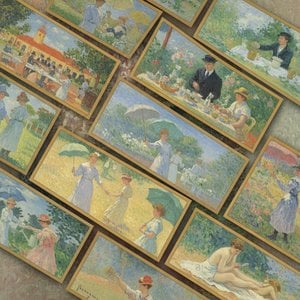
빛과 색채의 마법사 르누아르! 인상주의 대표 화가 르누아르의 명작 25선을 만나보세요. '물랭 드 라 갈레트', '우산 속의 소녀들' 등 시대를 초월하는 아름다움을 WahooArt에서 감상하고, 특별한 공간을 완성하세요. 지금 바로 온라인 컬렉션을 탐험하세요!

Journey into the heart of Impressionism! Explore 10 masterpieces by Monet, Renoir & Degas that revolutionized landscape art. Discover their stories, techniques & find museum-quality reproductions to elevate your home decor on WahooArt.com.


 미리보기
미리보기
 공유하기
공유하기 공유하기
공유하기
 상세 정보
상세 정보

 다운로드
다운로드
 유사 작품
유사 작품 X-레이
X-레이 슬라이드 쇼
 통계 정보
통계 정보
 더 보기
더 보기









 유리 옵션은 110cm 미만 크기에서만 선택 가능합니다.


