
원하는 크기와 액자로 주문 제작되는, 작가들이 직접 캔버스에 손으로 그린 유화 작품입니다. ( 프린트 판매로 전환 디지털 이미지로 전환)





























작품의 원본 비율을 유지하는 미리 설정된 크기 중에서 선택하세요.

특정 프레임이나 공간에 맞도록 직접 크기를 입력할 수 있습니다. 선택하신 크기가 원본 이미지의 비율과 일치하지 않는 경우, 작품을 자르거나 추가적인 손으로 그린 요소를 사용하여 그림을 확장합니다. 제작 시작 전 승인을 위해 디지털 목업을 보내드립니다.
화면 미리 보기는 실제 자르기 또는 확장을 반영하지 않습니다. 최종 구성은 목업을 통해서만 정확하게 확인하실 수 있습니다.
맞춤 크기 제작도 가능하지만, 원본 비율을 유지하기 위해 사전 정의된 목록에서 크기를 선택하시는 것을 권장합니다.

Breton Landscape
복제본 크기
Pierre-Auguste Renoir's “Breton Landscape,” painted in 1893, stands as a quintessential embodiment of Impressionism—a movement that irrevocably altered the course of art history by prioritizing fleeting moments of perception over meticulous detail. More than just a depiction of scenery, this canvas is an invitation to immerse oneself in the serene beauty of rural Brittany and experience Renoir’s masterful manipulation of color and light.
The painting presents a hillside vista bathed in dappled sunlight. Renoir skillfully arranges elements—trees, rocks, and foliage—to create a dynamic composition that draws the viewer’s eye across the canvas. The juxtaposition of verdant greenery against rugged granite boulders generates visual interest and reinforces the landscape's textural richness. Notice how Renoir utilizes aerial perspective, subtly blurring distant objects to convey depth and atmospheric haze – techniques honed during his meticulous study of Monet and Sisley.
Renoir’s distinctive Impressionist style is immediately recognizable through his loose, expressive brushstrokes. Rather than striving for photographic accuracy, he prioritizes capturing the sensation of light—the way it dances across surfaces and transforms colors—creating an impression of movement and immediacy. The artist employs a palette dominated by muted greens, blues, and yellows, blending pigments directly onto the canvas to achieve vibrant hues that shimmer with luminosity. These visible brushstrokes are not merely decorative; they convey Renoir’s emotional response to the landscape, reflecting his belief in art's ability to evoke feeling.
“Breton Landscape” emerged during a pivotal moment in artistic history—the zenith of Impressionism. Artists like Claude Monet and Camille Pissarro were pioneering new approaches to painting outdoors, rejecting academic conventions and embracing the spontaneity of observation. Renoir’s work reflects the broader cultural shift toward valuing subjective experience and capturing the beauty of everyday life. The painting captures the spirit of Brittany in 1893—a region celebrated for its unspoiled landscapes and pastoral traditions.
Beyond its aesthetic qualities, “Breton Landscape” speaks to deeper themes of tranquility and connection with nature. The hillside setting symbolizes resilience and permanence amidst the ephemeral beauty of summer’s day—a visual metaphor for Renoir's own artistic vision. The painting invites contemplation and offers a respite from the pressures of urban life, reminding us of the restorative power of natural surroundings. Its enduring appeal lies in its ability to transport viewers back to a time when art sought not merely to represent reality but to capture its emotional essence.


1841 - 1919 , 프랑스

폴 세잔의 시대를 초월하는 명작 25점을 만나보세요. 인상주의를 넘어 후기 인상주의를 개척한 화가의 예술 세계와 정물화, 풍경화 속 숨겨진 이야기를 WahooArt에서 감상하세요. 고품질 아트 프린트와 캔버스 액자로 공간에 예술을 더해보세요! 지금 바로 컬렉션을 탐험하세요.

Journey into the heart of Impressionism! Explore 10 masterpieces by Monet, Renoir & Degas that revolutionized landscape art. Discover their stories, techniques & find museum-quality reproductions to elevate your home decor on WahooArt.com.

Explore the rich history of landscape art with WahooArt. Discover renowned artists, movements like Impressionism & tonalism, and expert guidance for collecting timeless pieces. Find your perfect serene escape today!
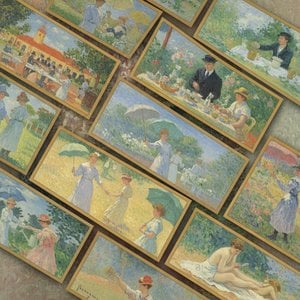
빛과 색채의 마법사 르누아르! 인상주의 대표 화가 르누아르의 명작 25선을 만나보세요. '물랭 드 라 갈레트', '우산 속의 소녀들' 등 시대를 초월하는 아름다움을 WahooArt에서 감상하고, 특별한 공간을 완성하세요. 지금 바로 온라인 컬렉션을 탐험하세요!

Explore the rich history of landscape art with WahooArt. Discover renowned artists, movements like Impressionism & Romanticism, and expert guidance for collecting timeless pieces. Find your perfect serene escape today!


 미리보기
미리보기
 공유하기
공유하기 공유하기
공유하기
 상세 정보
상세 정보

 다운로드
다운로드
 유사 작품
유사 작품 X-레이
X-레이 슬라이드 쇼
 통계 정보
통계 정보

 더 보기
더 보기









 유리 옵션은 110cm 미만 크기에서만 선택 가능합니다.


